Crevillente (Alicante) – Between Moorish history and modern industry
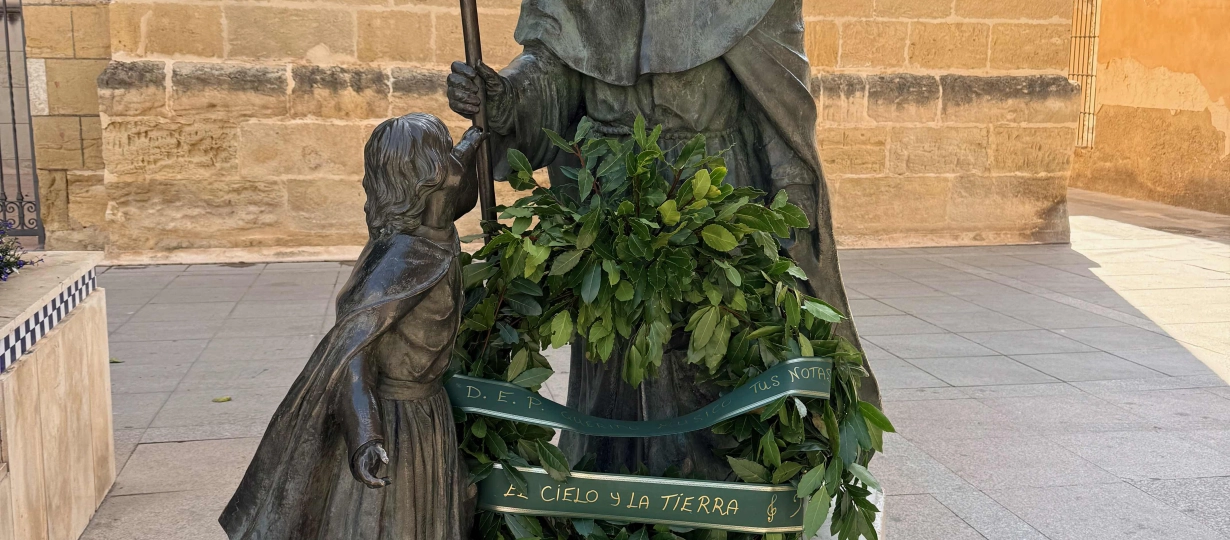
Today we visited Crevillente – together with my wife and, of course, Zuky. From the very first impression, you notice that this place feels different from the typical coastal towns of the Costa Blanca. Crevillente is more authentic, more industrial, and at the same time deeply rooted in its history.
The origins of Crevillente go back centuries, with strong influences from the Moorish period. While there were earlier settlements, the town developed significantly during Islamic rule on the Iberian Peninsula. After the Reconquista in the 13th century, it became part of the Kingdom of Valencia, but remained largely agricultural for many years.
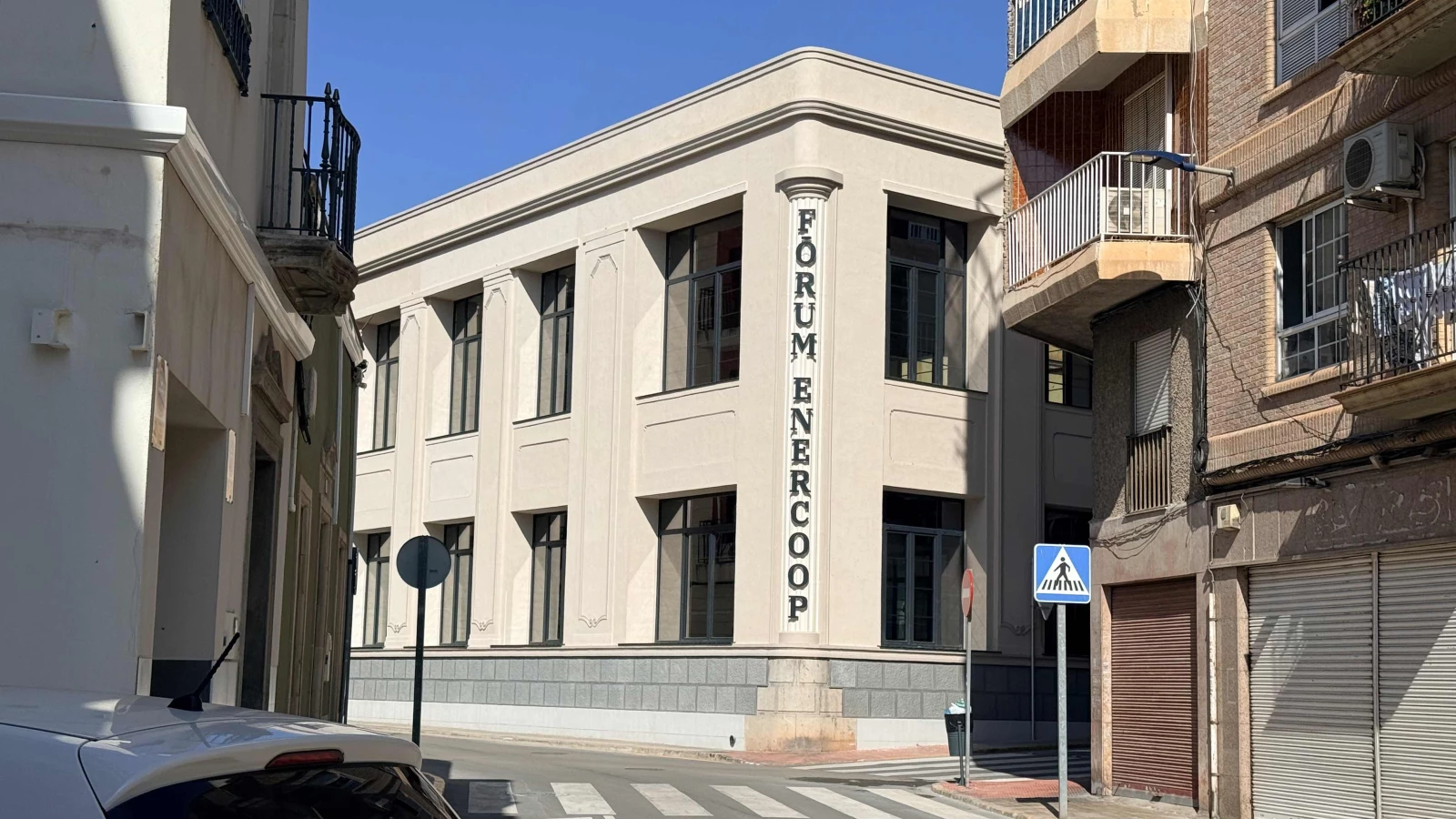
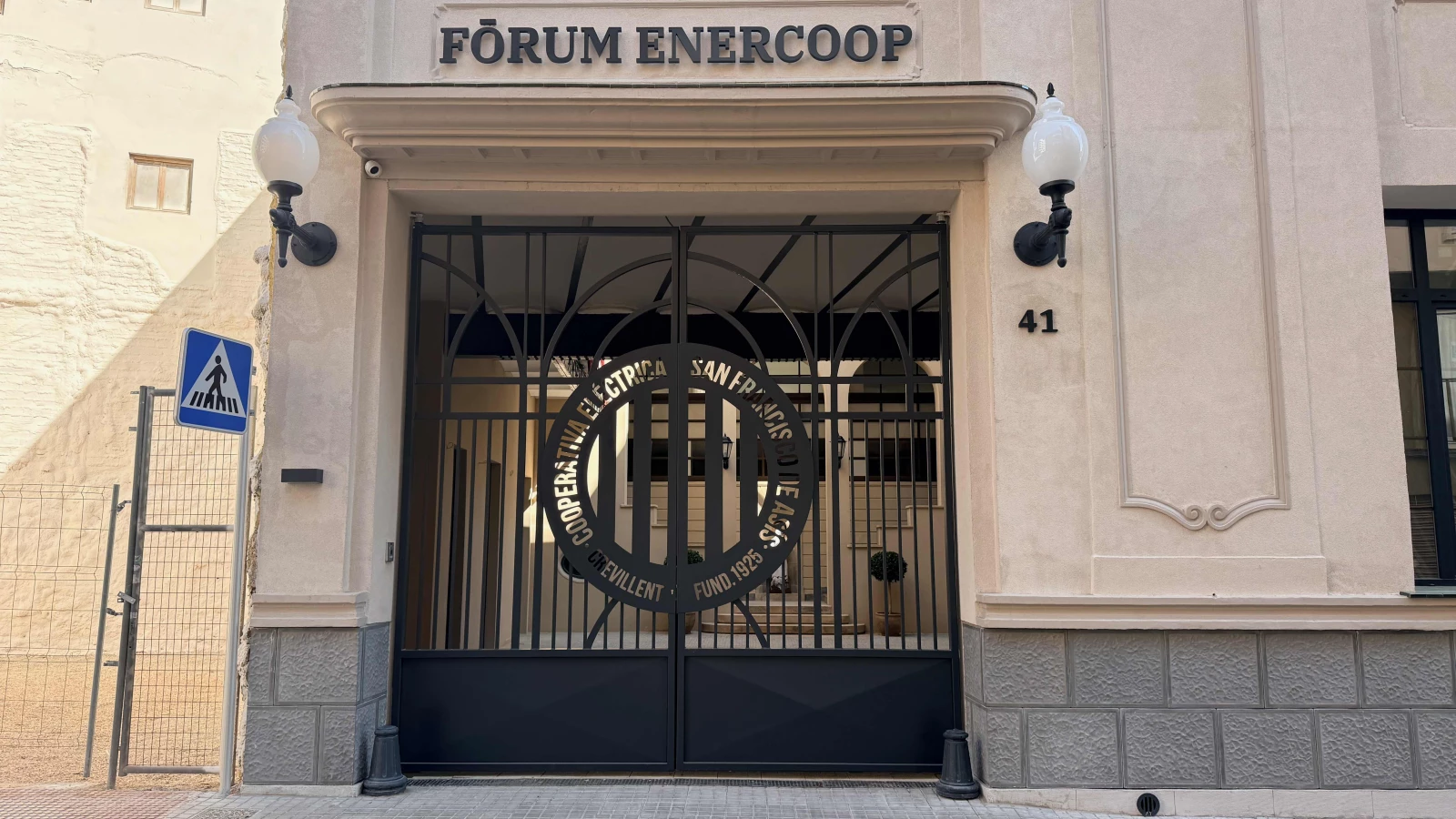
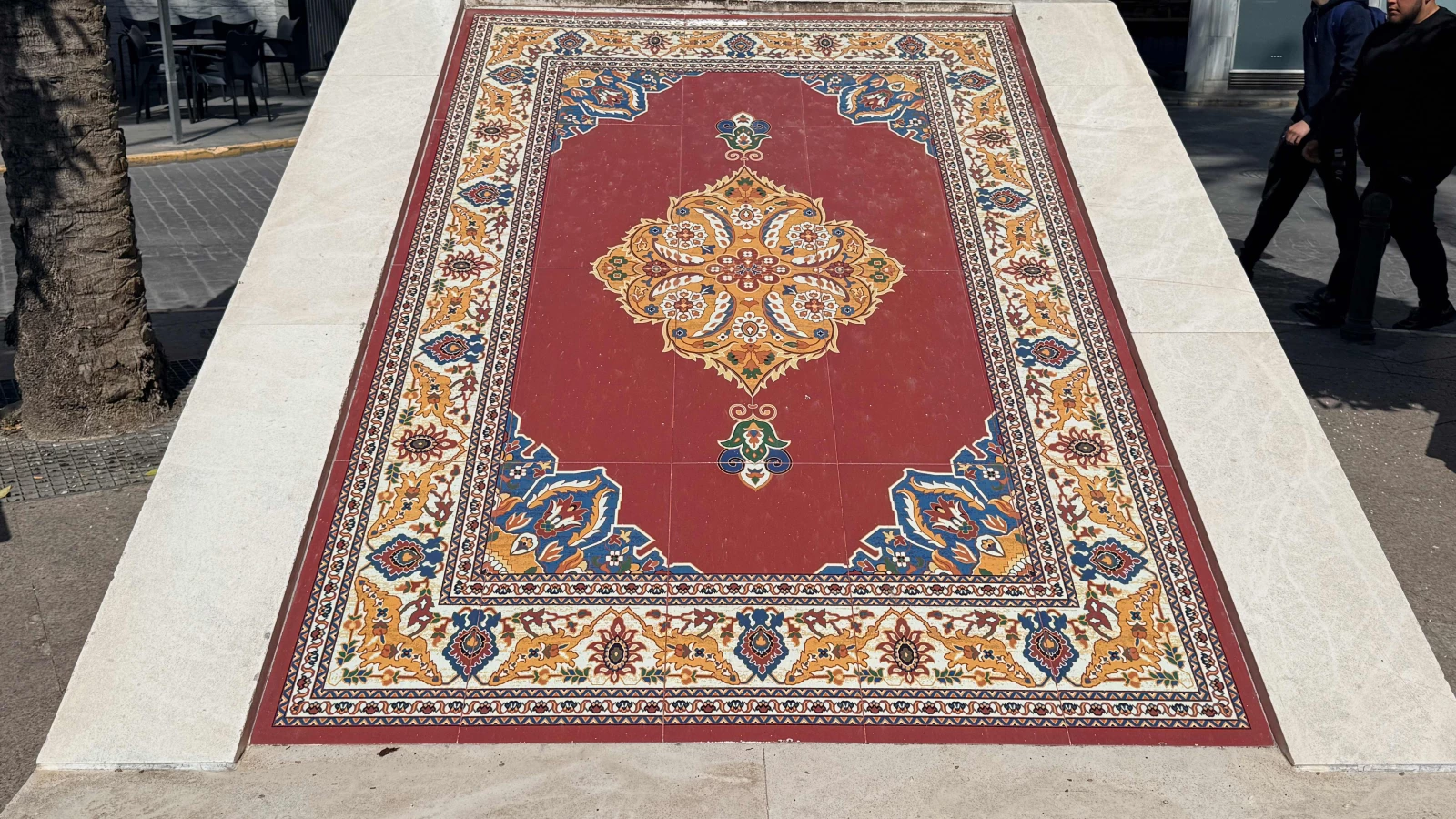
One of the most defining aspects of Crevillente is its economic foundation. The town is widely known for its carpet and textile industry, which began to grow in the 18th and 19th centuries and later became one of the most important economic drivers in the region. Even today, Crevillente is one of Spain’s key centers for carpet production. Alongside this, agriculture still plays a role, especially the cultivation of almonds, olives, and carob.
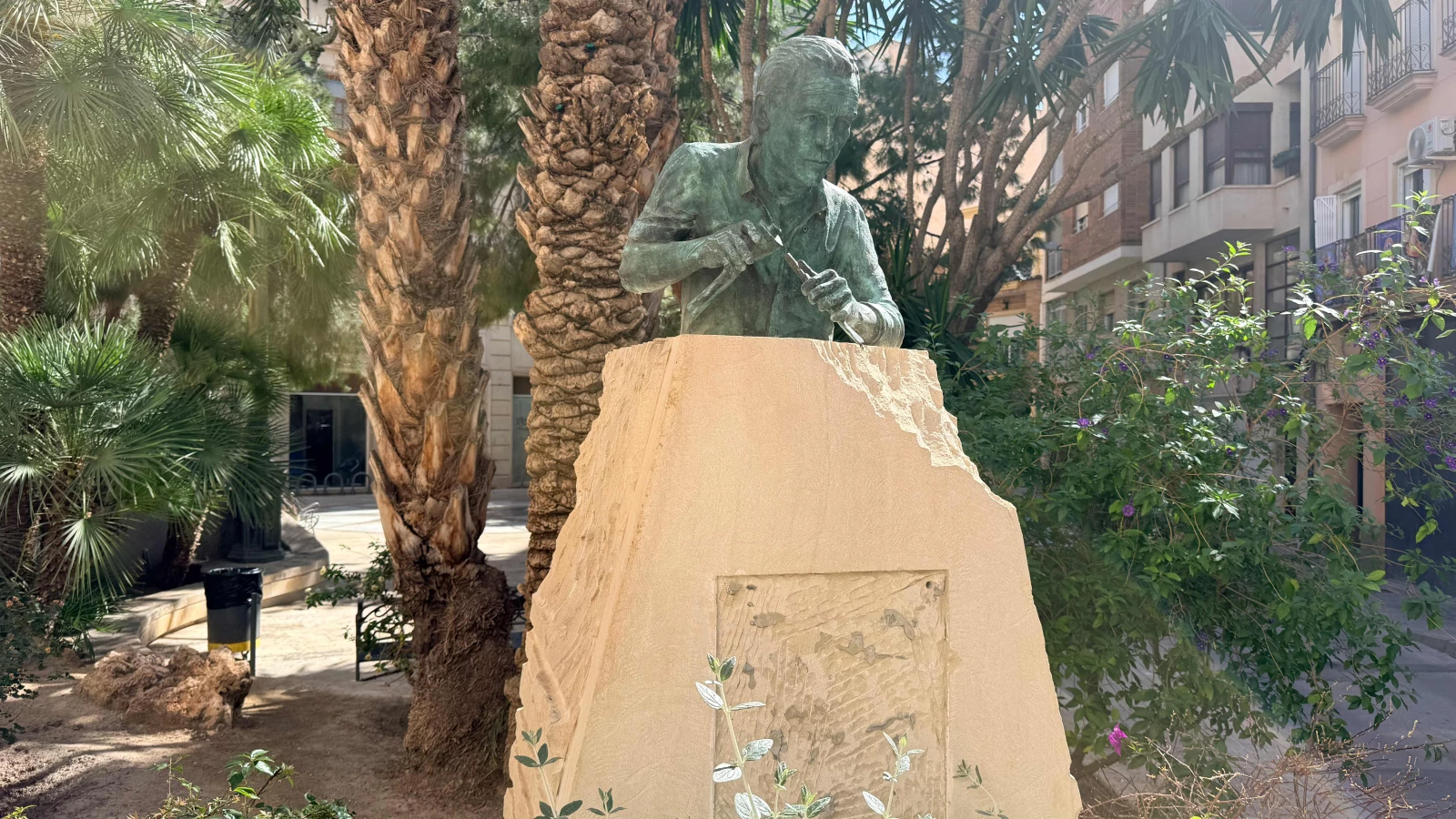
Walking through the town, you can feel this combination of tradition and productivity. This is not a place shaped by tourism, but a real working town with a distinct character. That is exactly what makes it so interesting.
Looking at the population development over the last 20 years, there has been steady growth. While the town was once heavily dependent on local industry, it has gradually opened up. Today, more international residents are discovering Crevillente as an alternative to the busy coastal areas. Despite this growth, the town has managed to preserve its identity.
In terms of activities, Crevillente offers a different kind of experience. It is ideal for those who want to discover the real Spain. You can explore the old town, enjoy small local cafés, visit traditional markets, or head into the surrounding natural areas. The nearby Sierra de Crevillente is particularly attractive for hiking and outdoor activities.
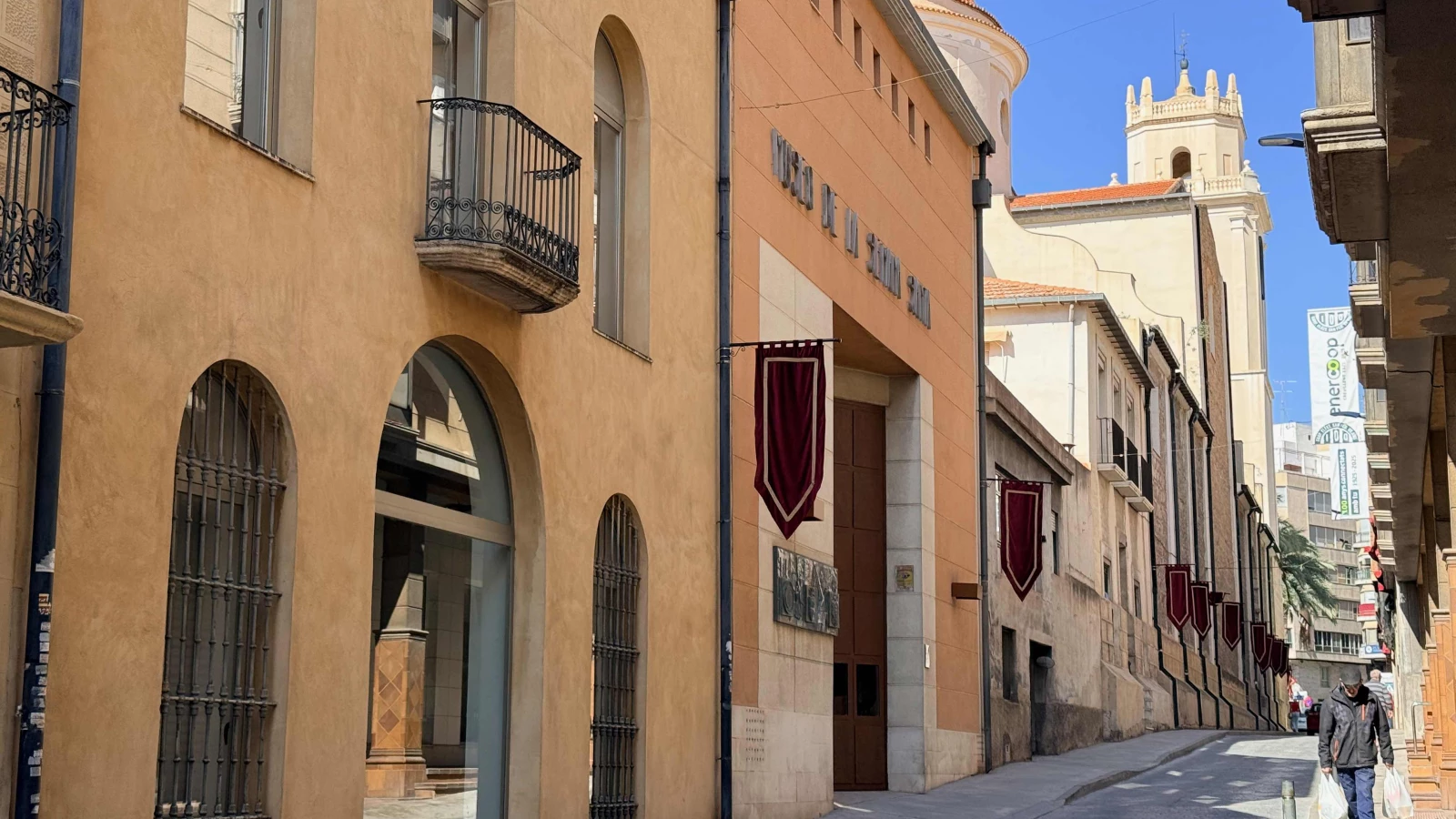
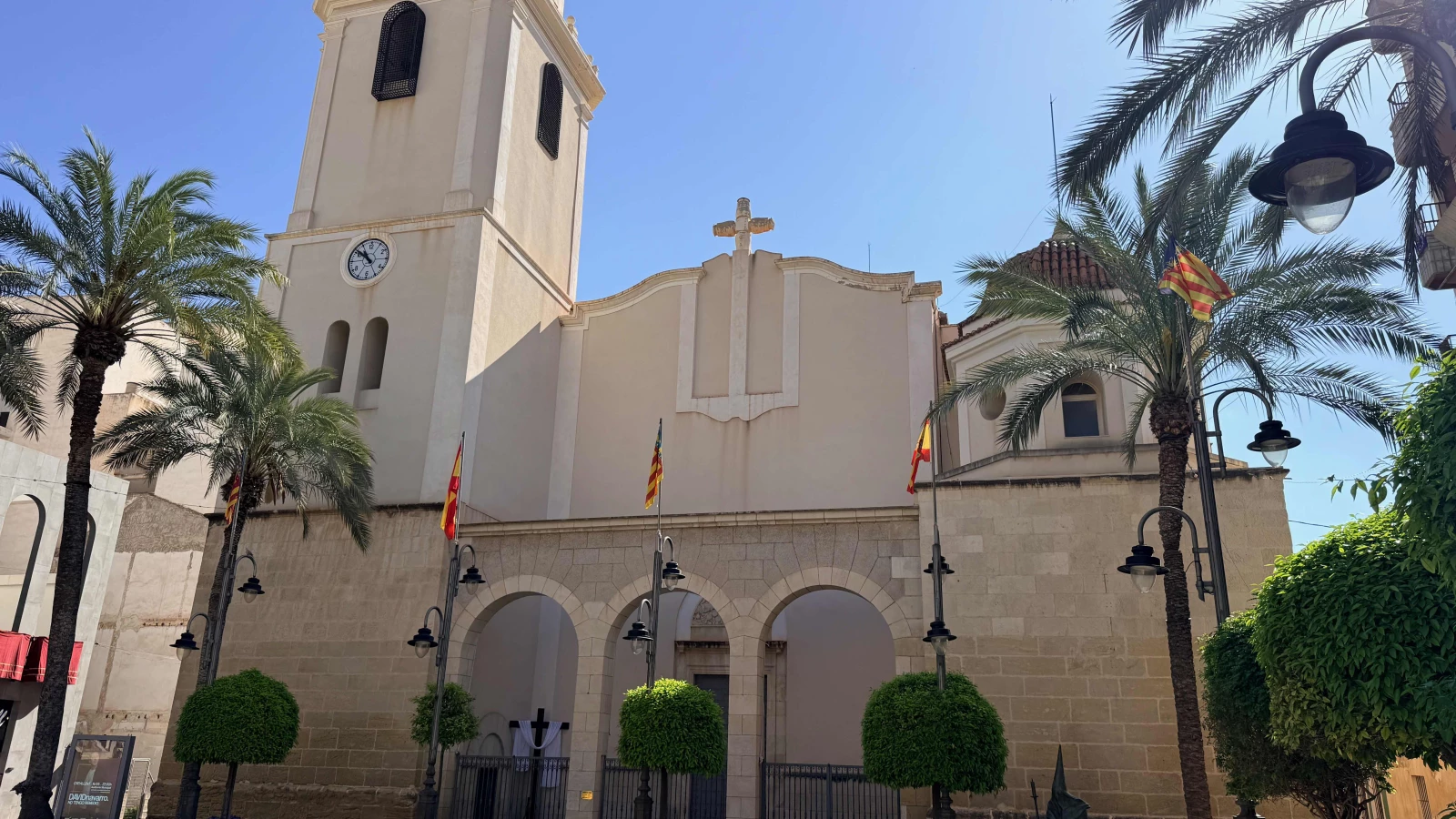
Among the main sights are the historic old town and the church of Nuestra Señora de Belén, which plays an important cultural and historical role. The local museums, especially those focused on carpet production, provide valuable insight into the town’s industrial heritage.
Another advantage is the location. Crevillente is only about 30 minutes from the beaches of the Costa Blanca, yet it feels like a completely different world—quieter, more authentic, and far less tourist-driven.
For property buyers, Crevillente is becoming increasingly interesting. Prices are generally more accessible than on the coast, while infrastructure and connections remain strong. It is a compelling option for those looking for authentic Spanish living without giving up proximity to the sea.
At the end of the day, it once again became clear how diverse the province of Alicante really is. And Zuky enjoyed exploring this new environment just as much as we did.
FAQ
What is Crevillente known for?
Crevillente is especially known for its carpet and textile industry, which remains a key part of its economy.
How has the population changed in recent years?
Over the past 20 years, the population has steadily increased, partly due to international residents moving in.
What can you do in Crevillente?
Explore the old town, visit local markets, hike in the Sierra de Crevillente, and learn about its industrial heritage.
Is Crevillente a good place for property buyers?
Yes, especially for those seeking authentic inland living with good access to the coast.
Rainer Schmitz






Comments