Águilas in Murcia – a day between sea, history, and Mediterranean joie de vivre
There are cities you visit, and those you want to return to already during the farewell. Águilas belongs to the latter for us.
Sometimes the road leads you to a place from which you initially don't expect much. You set off because you are curious, because the world is still full of unknown corners, and because it's a nice feeling not to know in the morning what impressions you will take home in the evening.
That was how it was with Águilas, this charming coastal town in the far south of the Murcia region, where the Costa Cálida slowly blends into the Andalusian landscape.
We spent a whole day there. And although we were on the move for many hours, in the end, the feeling remained that we had not yet seen everything.
Sights in Águilas – between Paseo Marítimo, Old Town, and the Mediterranean
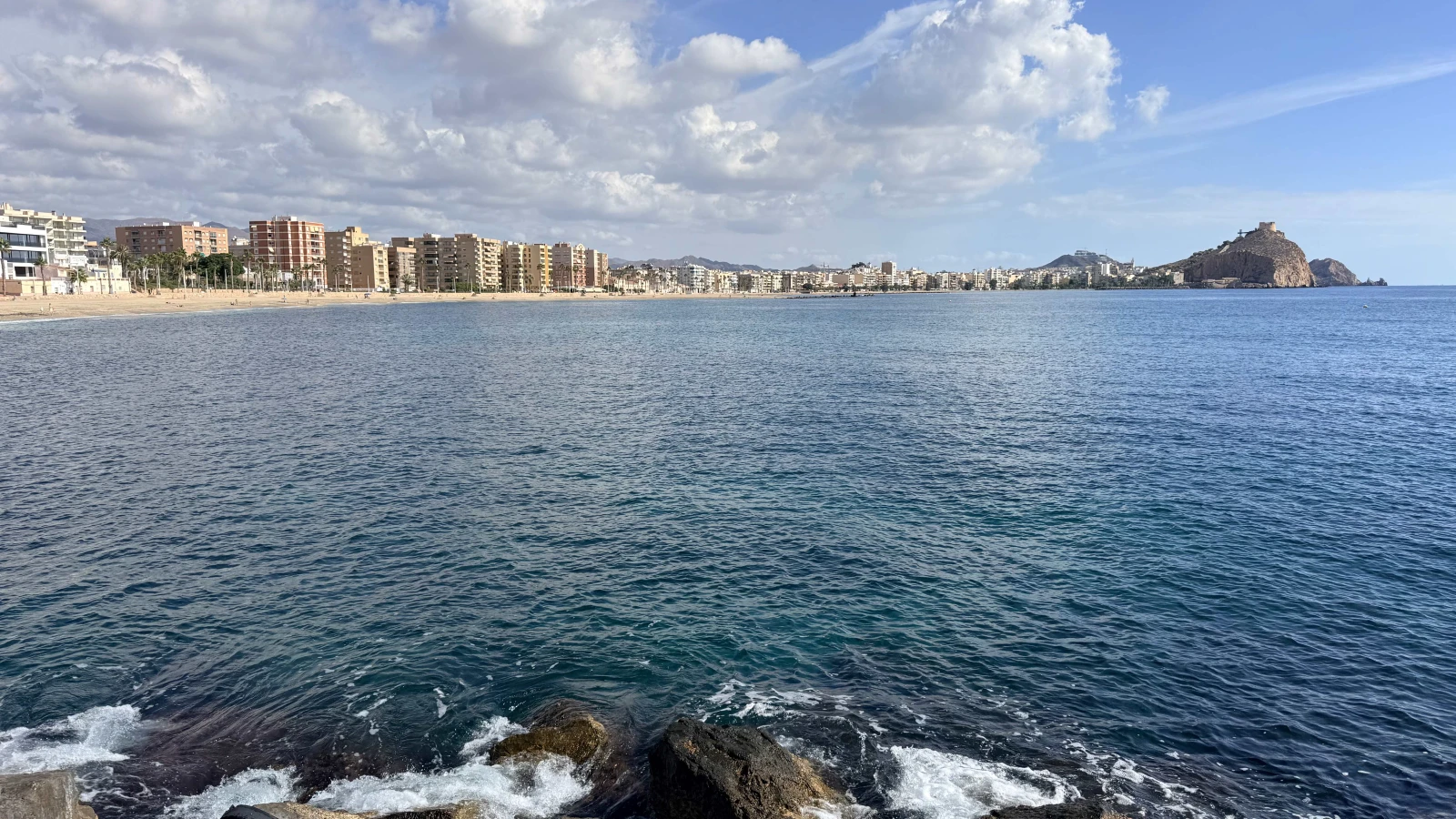
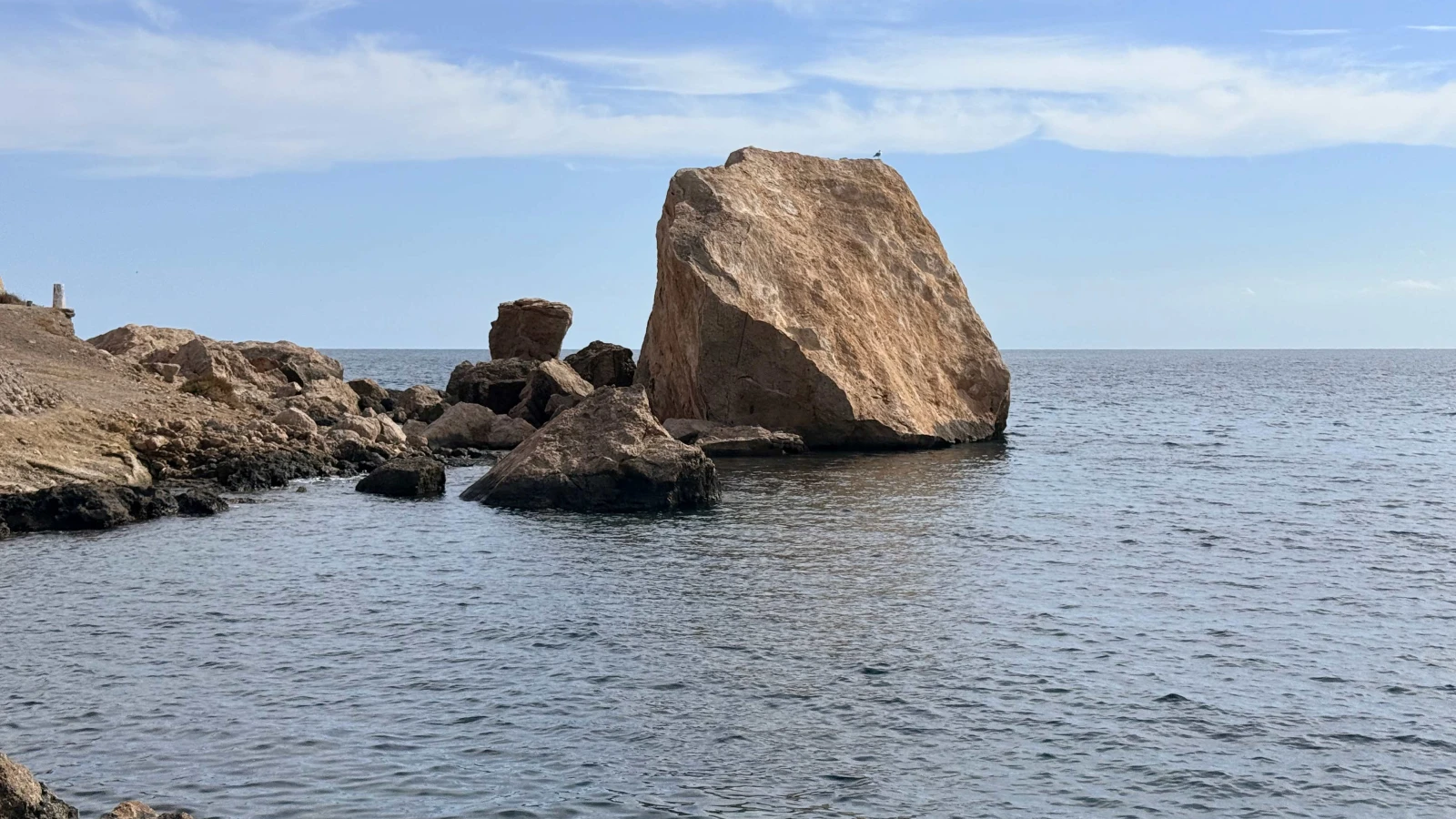
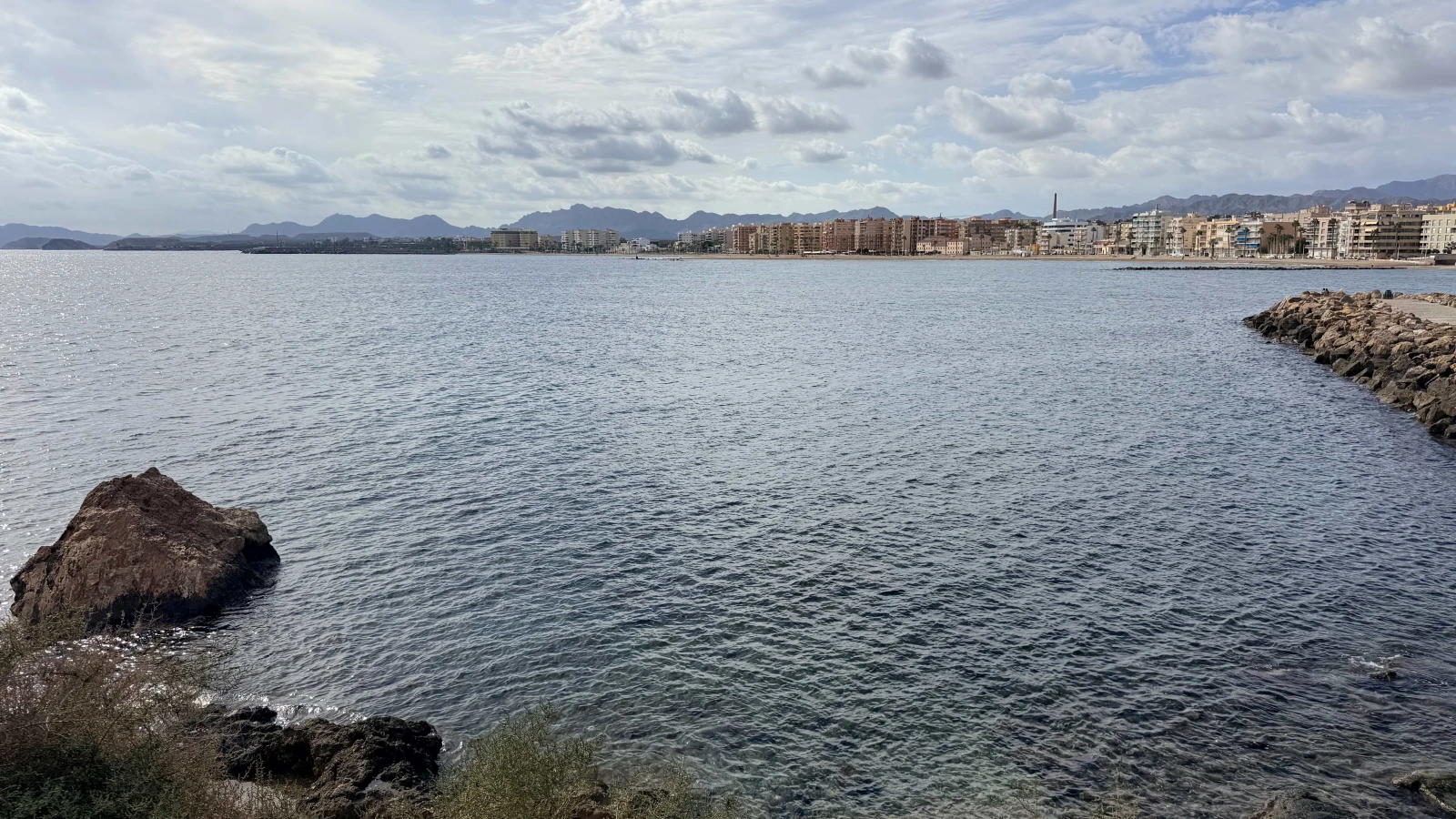
Whoever visits Águilas first encounters the sea. It accompanies you almost everywhere, lies between the houses, shines at the end of the streets, and has determined the rhythm of this city for centuries.
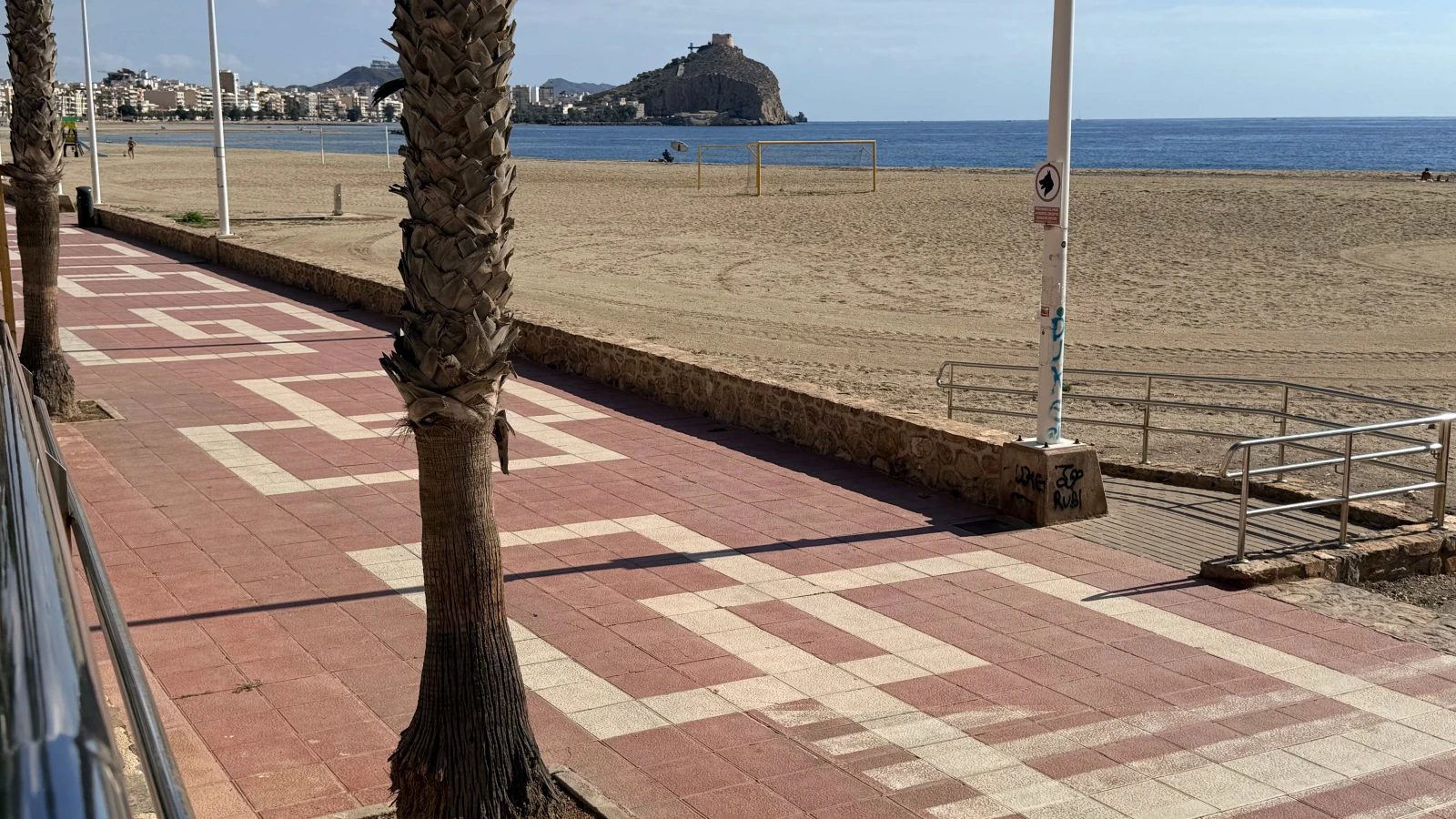
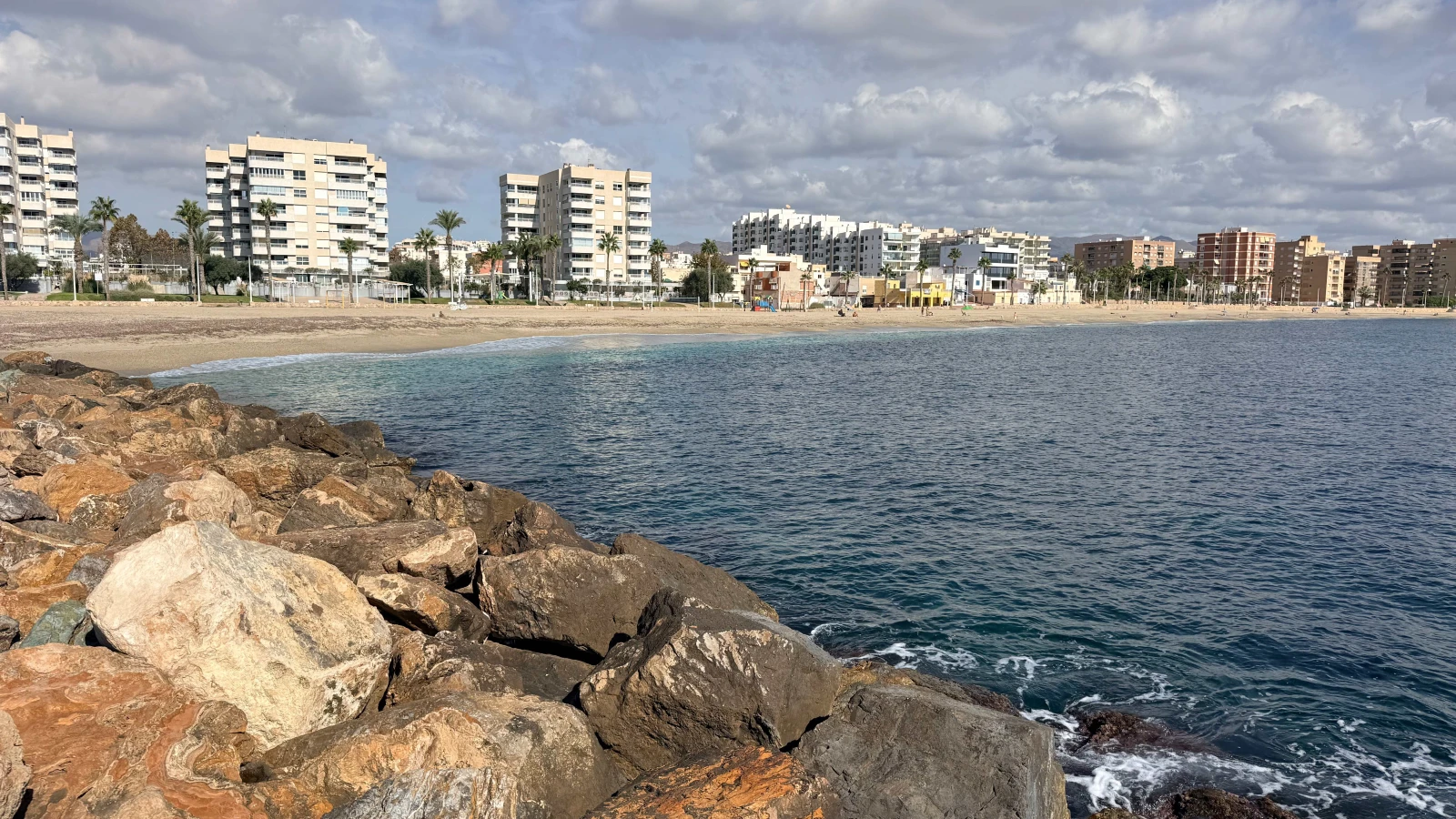
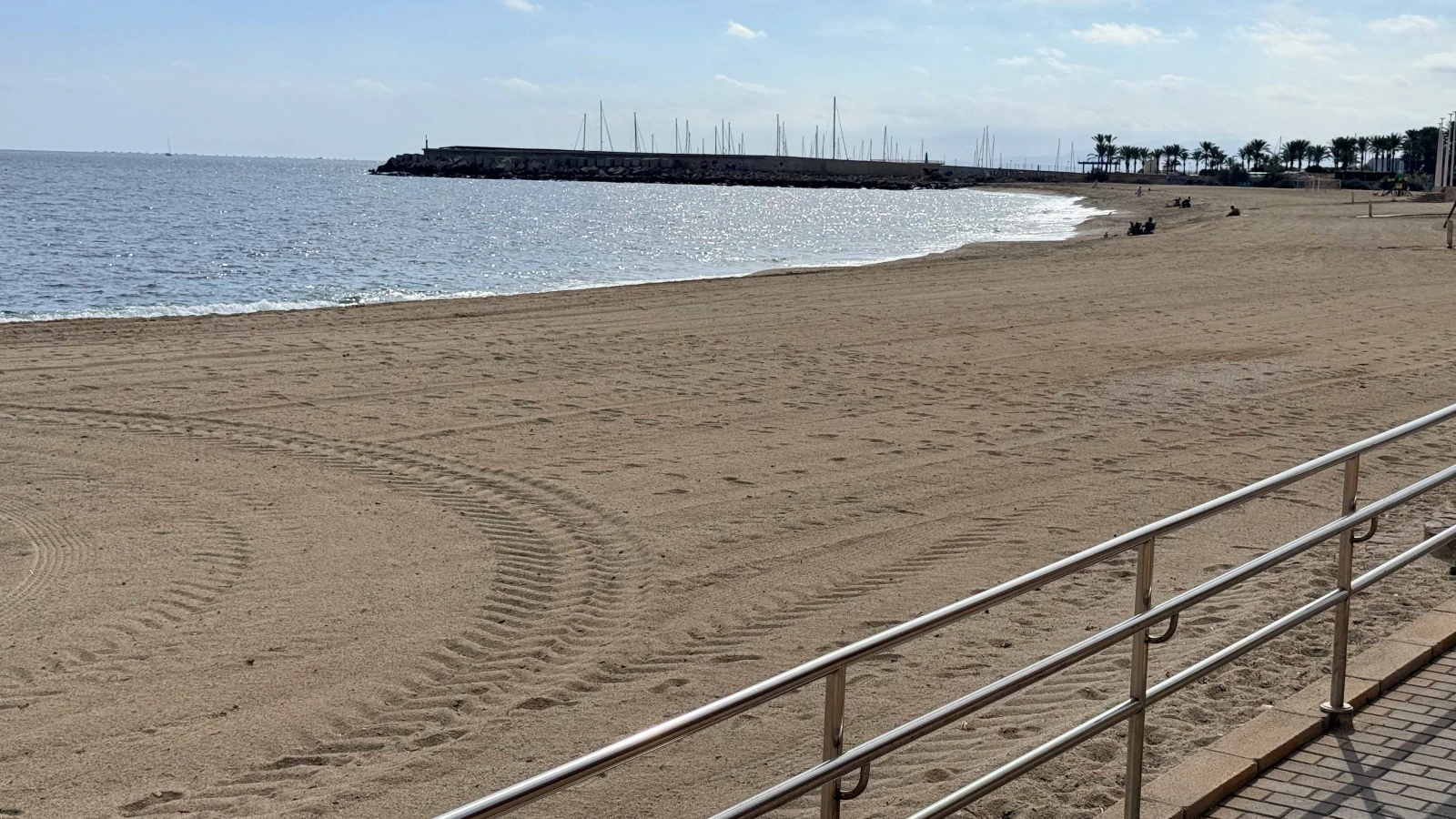
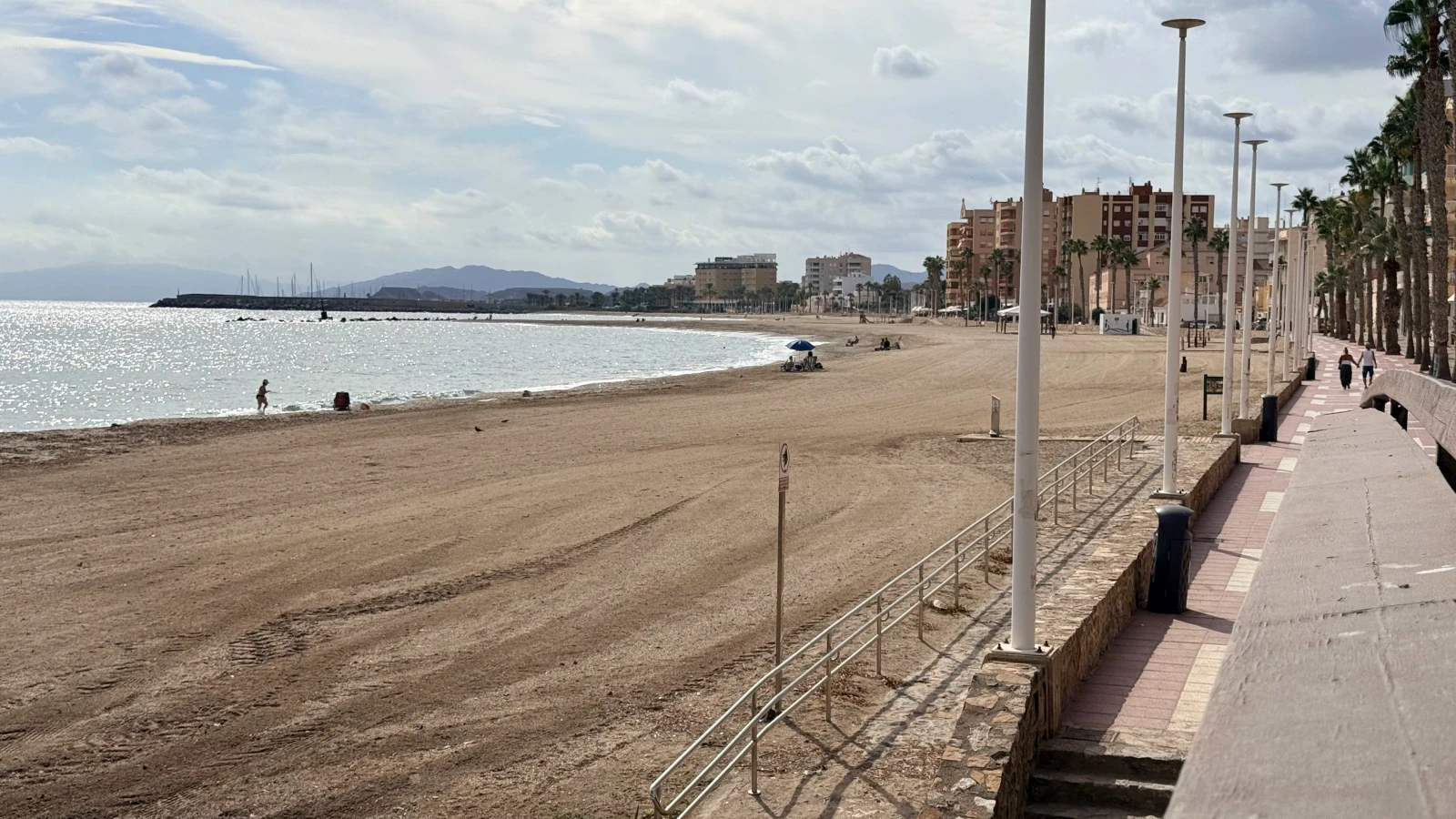
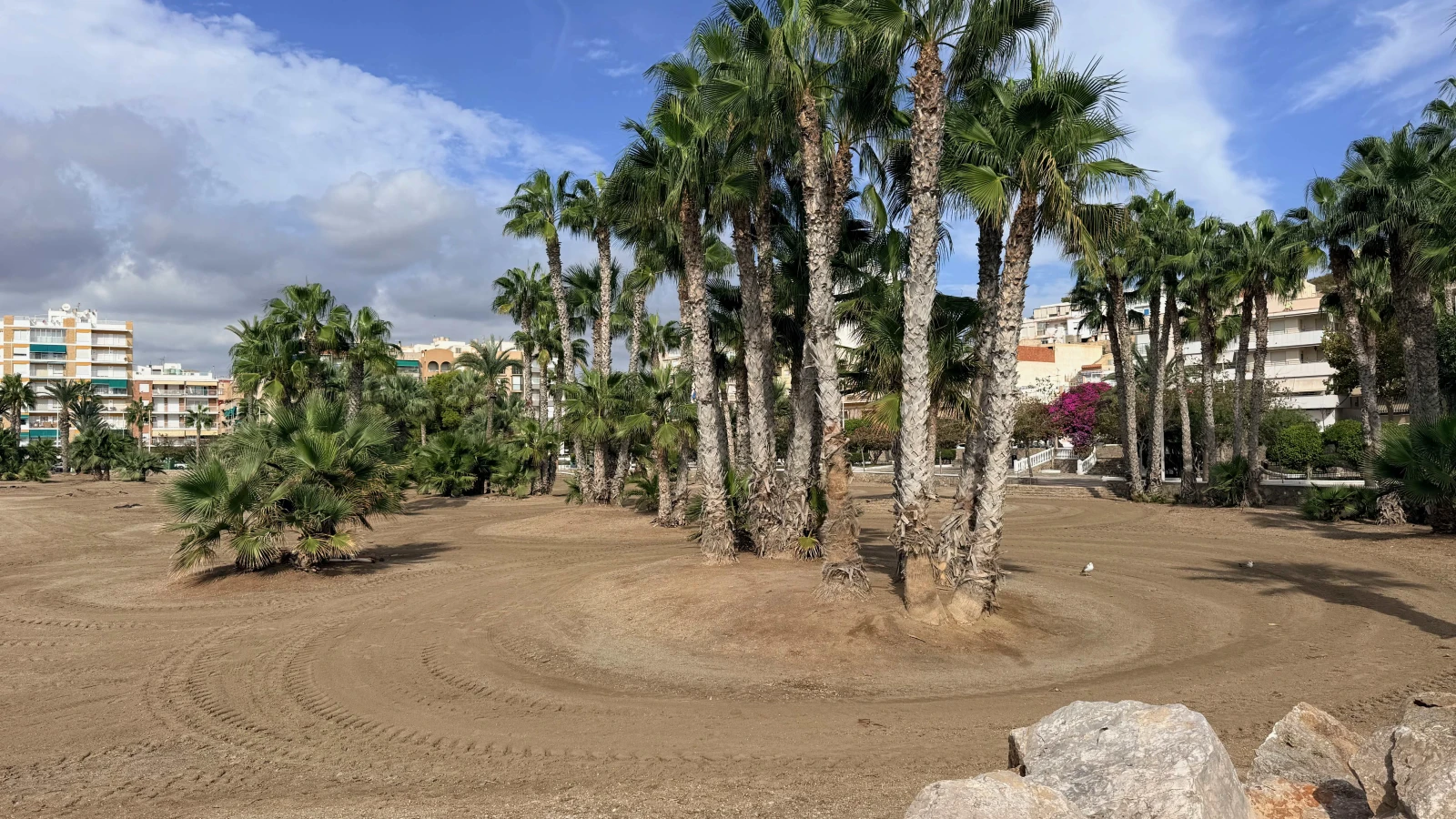
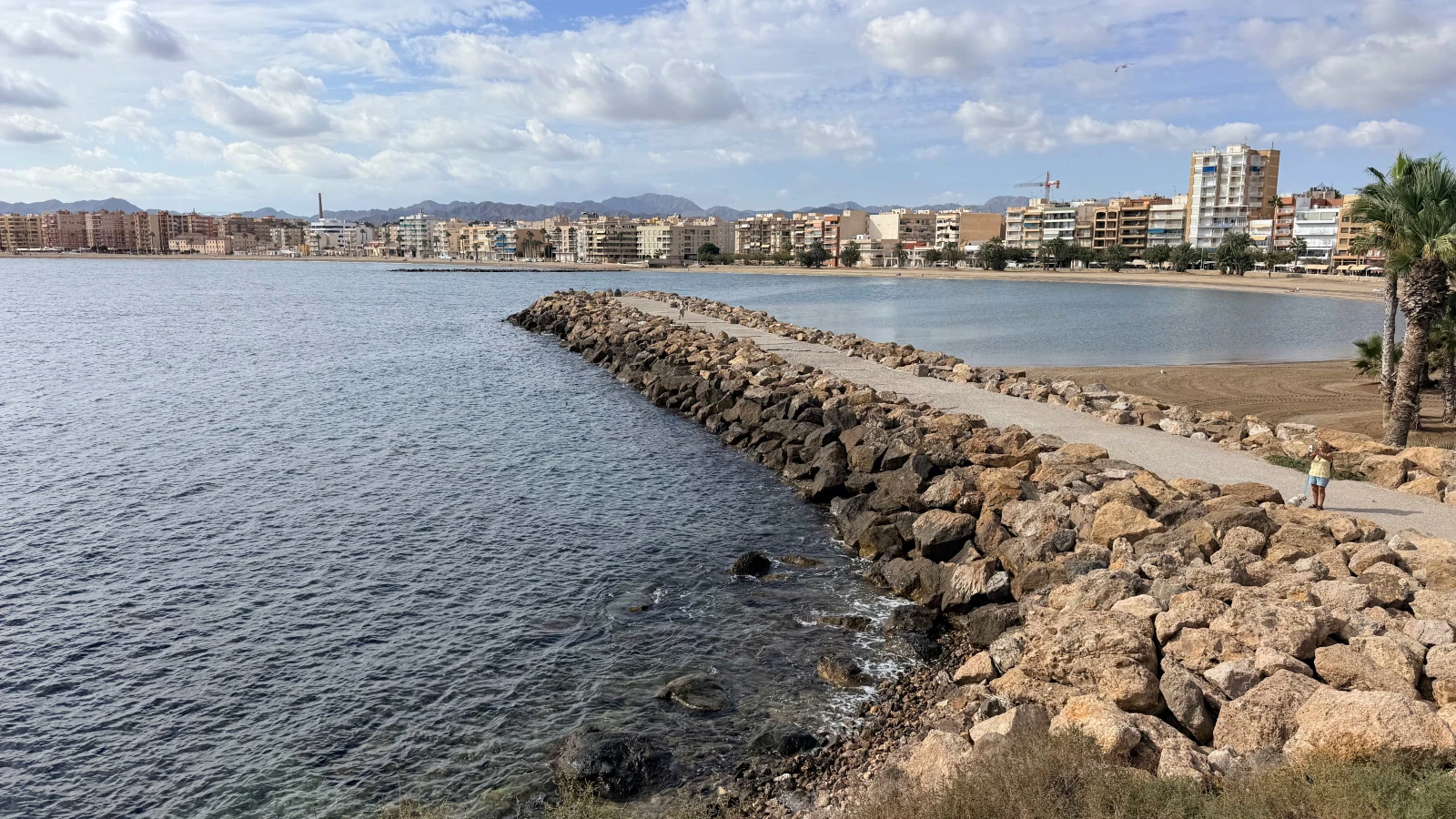
Especially beautiful are the long beach promenades, the Paseos Marítimos, where life unfolds between palm trees, beaches, cafés, and the harbor.
We walked the promenade extensively up and down without paying much attention to the time.
On one side the Mediterranean, on the other the city. In between walkers, people sitting on benches, and that pleasant calmness that you can still find in southern Spanish coastal towns.
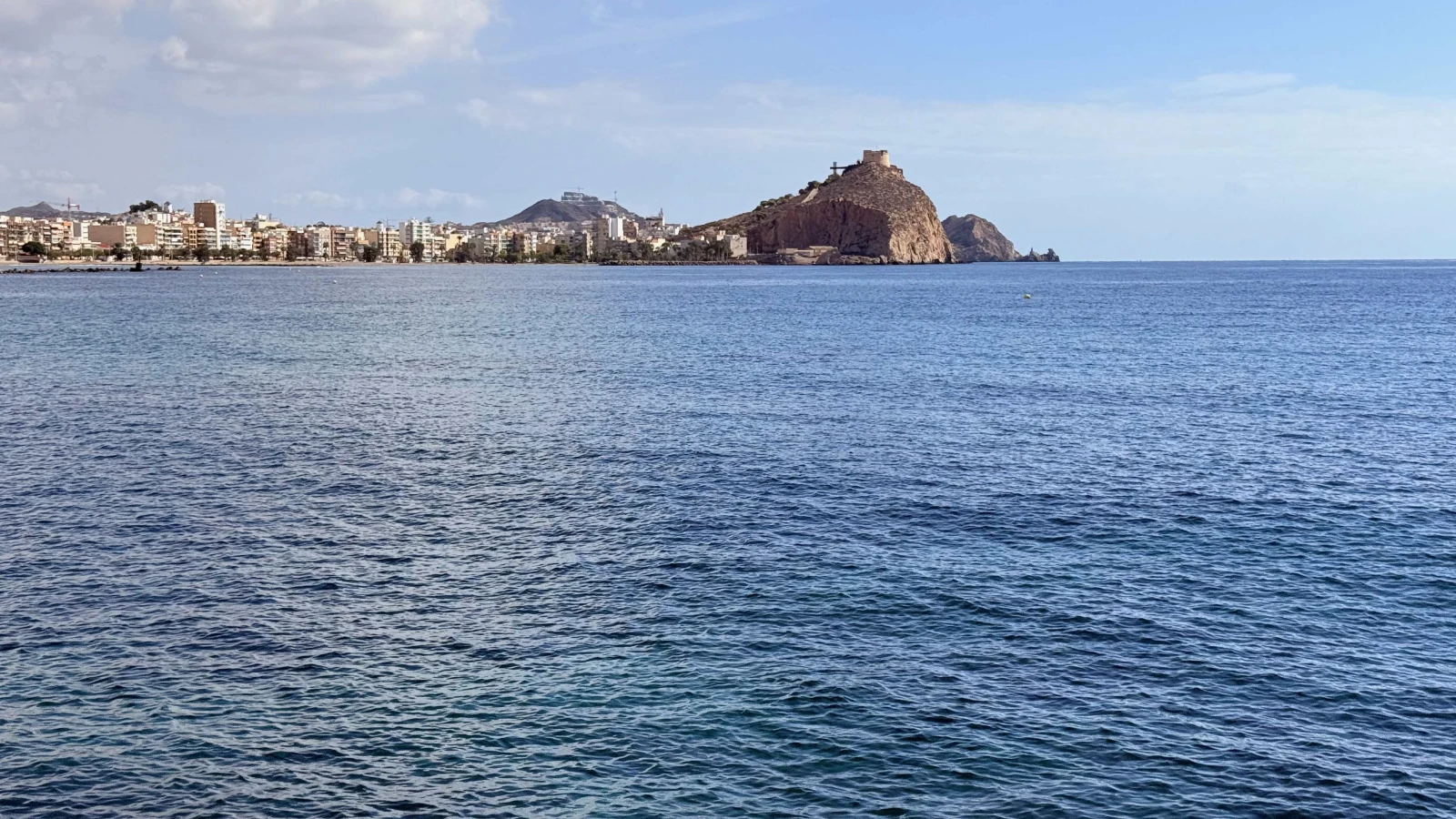
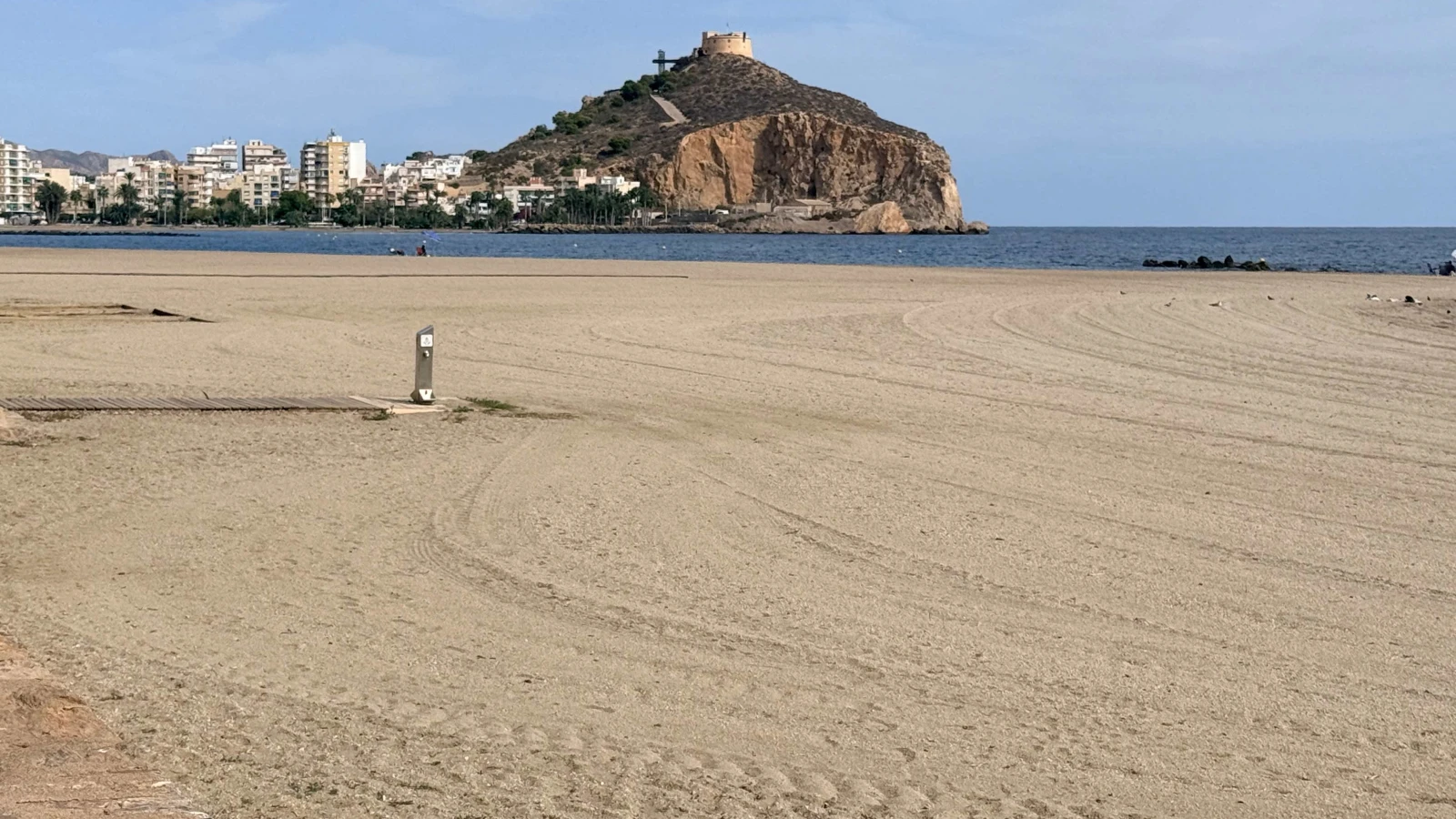
Above the city rises the Castillo de San Juan de las Águilas, an 18th-century fortress. Located high above the harbor, it is one of the city's landmarks and recalls times when the coastal inhabitants had to defend themselves against attacks from the sea.
Those who visit the fortress are rewarded with a wide view over the two bays and the rooftops of the city.
Another remarkable building is the Embarcadero del Hornillo, a historic loading facility that tells of the former mining and economic boom of the town. Where ores were once loaded onto ships, an impressive testimony to industrial history has been preserved today.
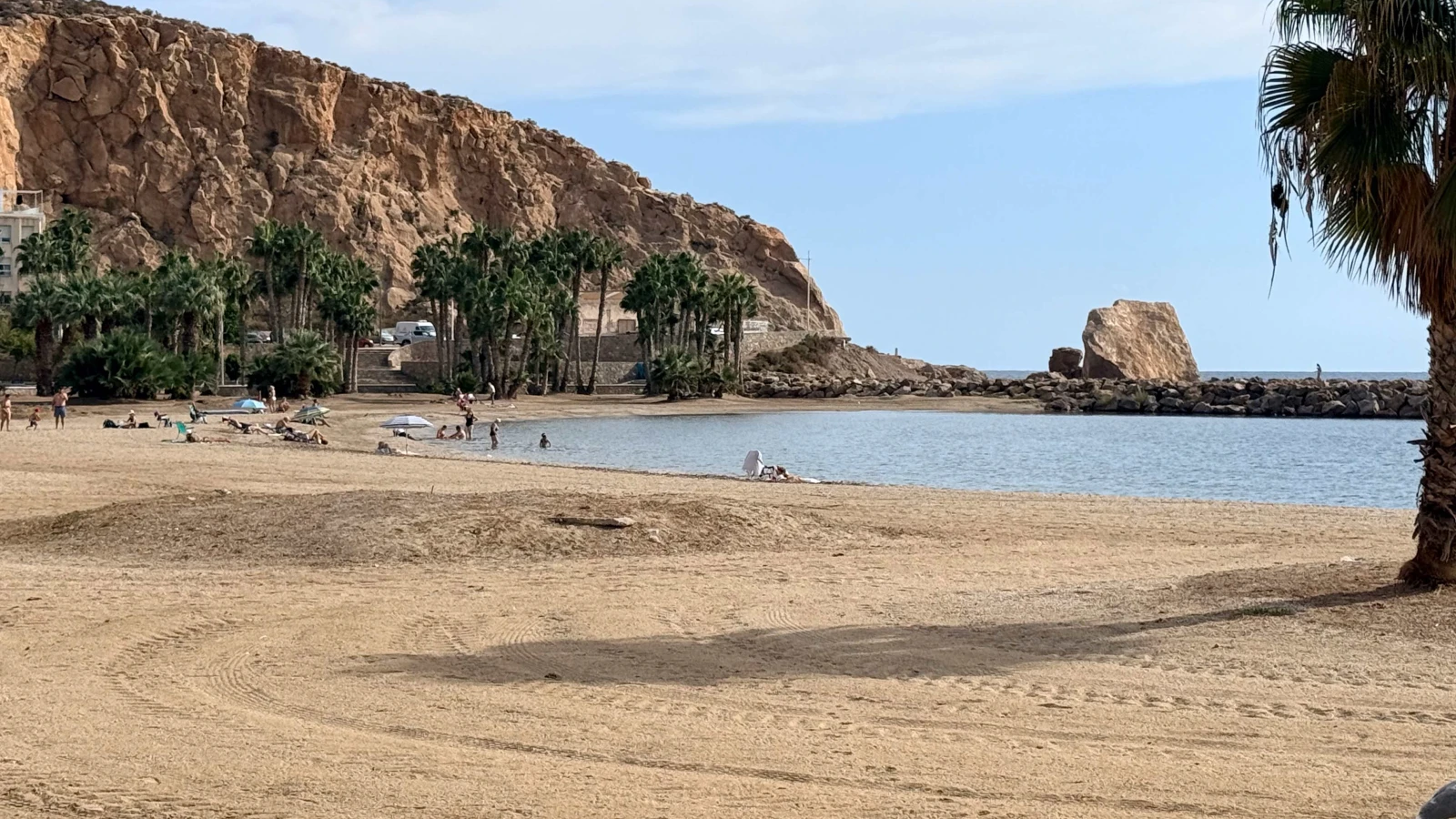
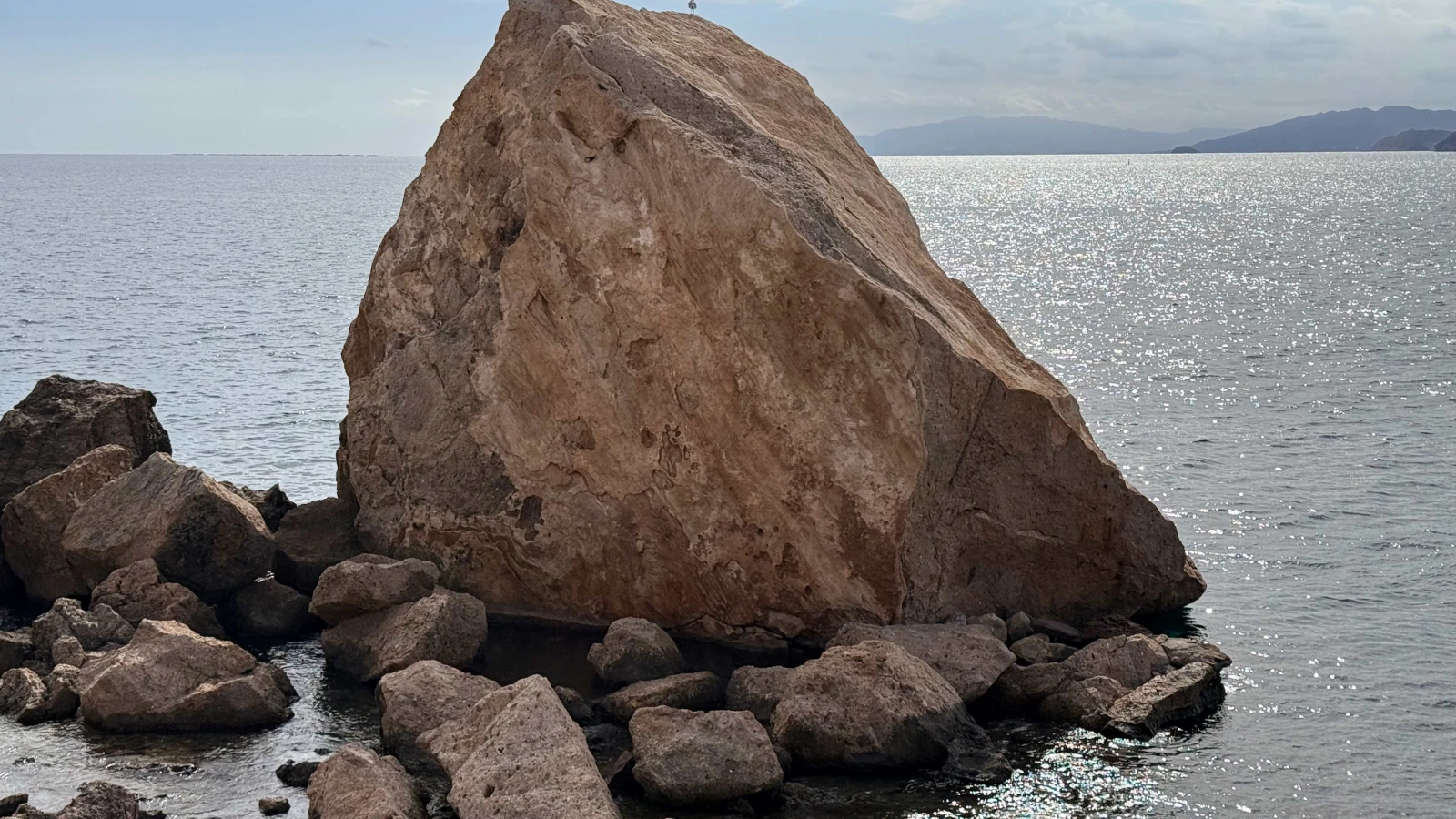
The beaches also deserve attention. Playa de la Colonia and Playa de las Delicias are located directly in the urban area. Slightly outside, numerous smaller coves await, making Águilas especially interesting for nature lovers and bathers.
The Casco Antiguo – where old Águilas lives on
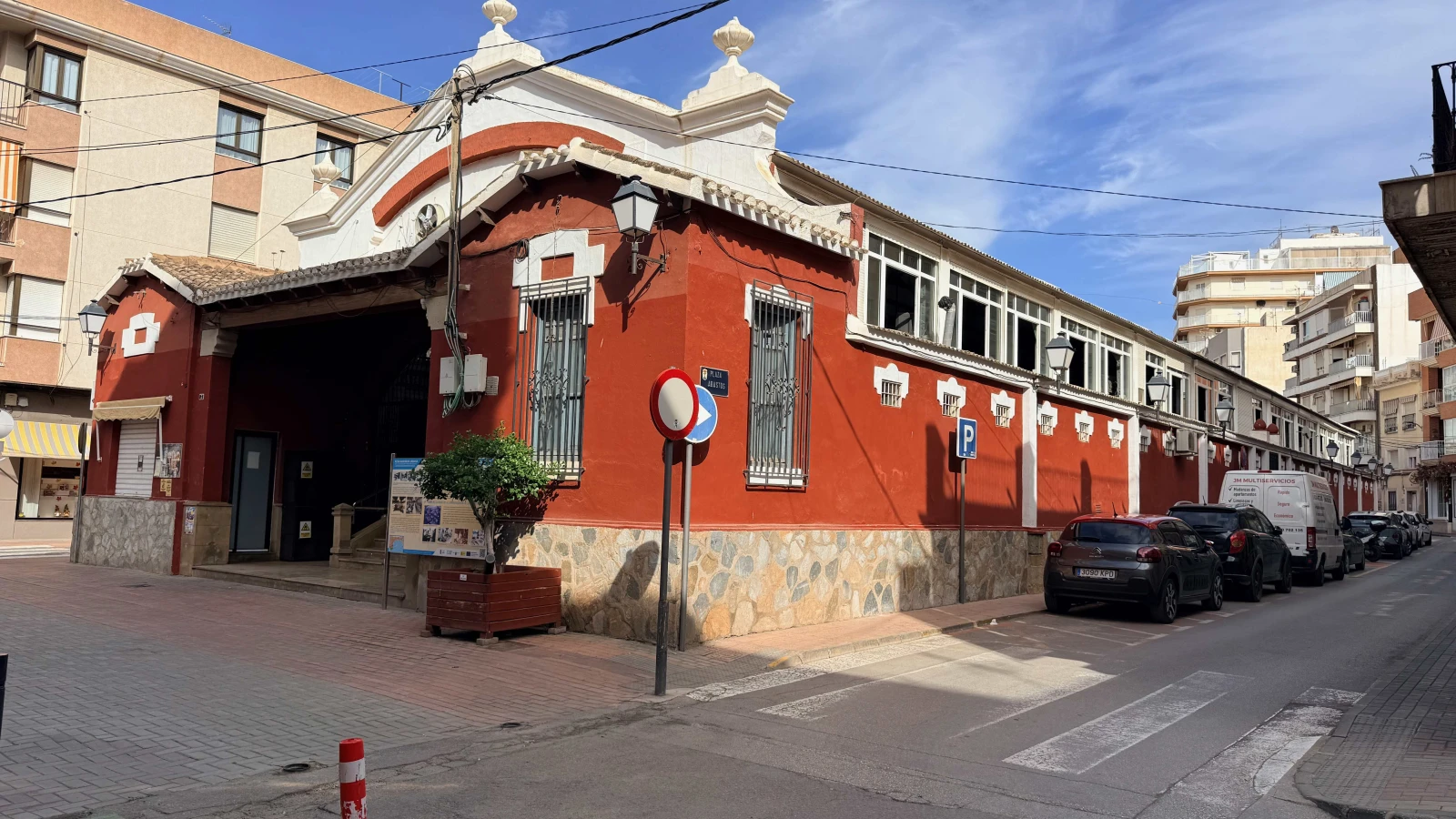
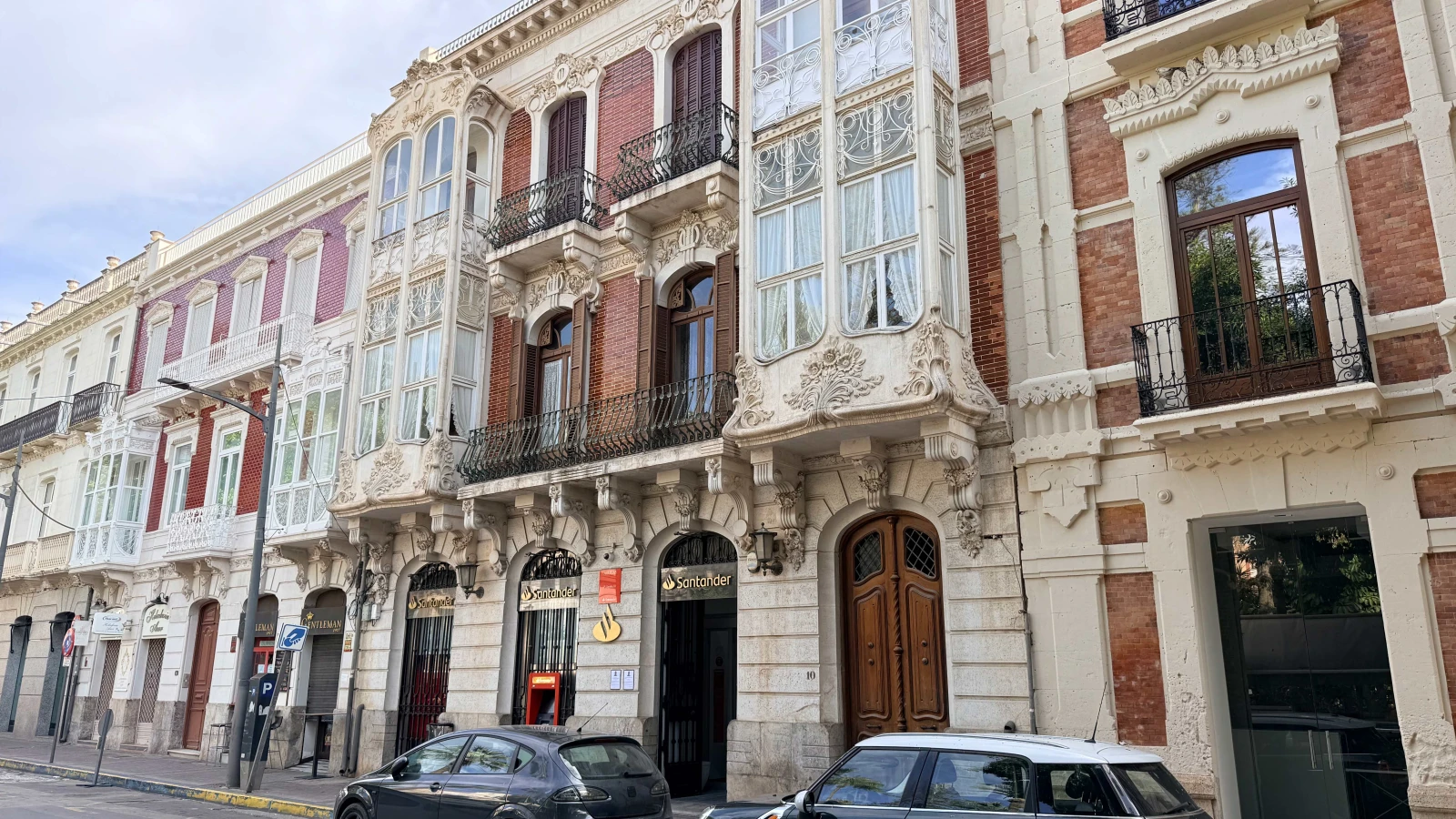
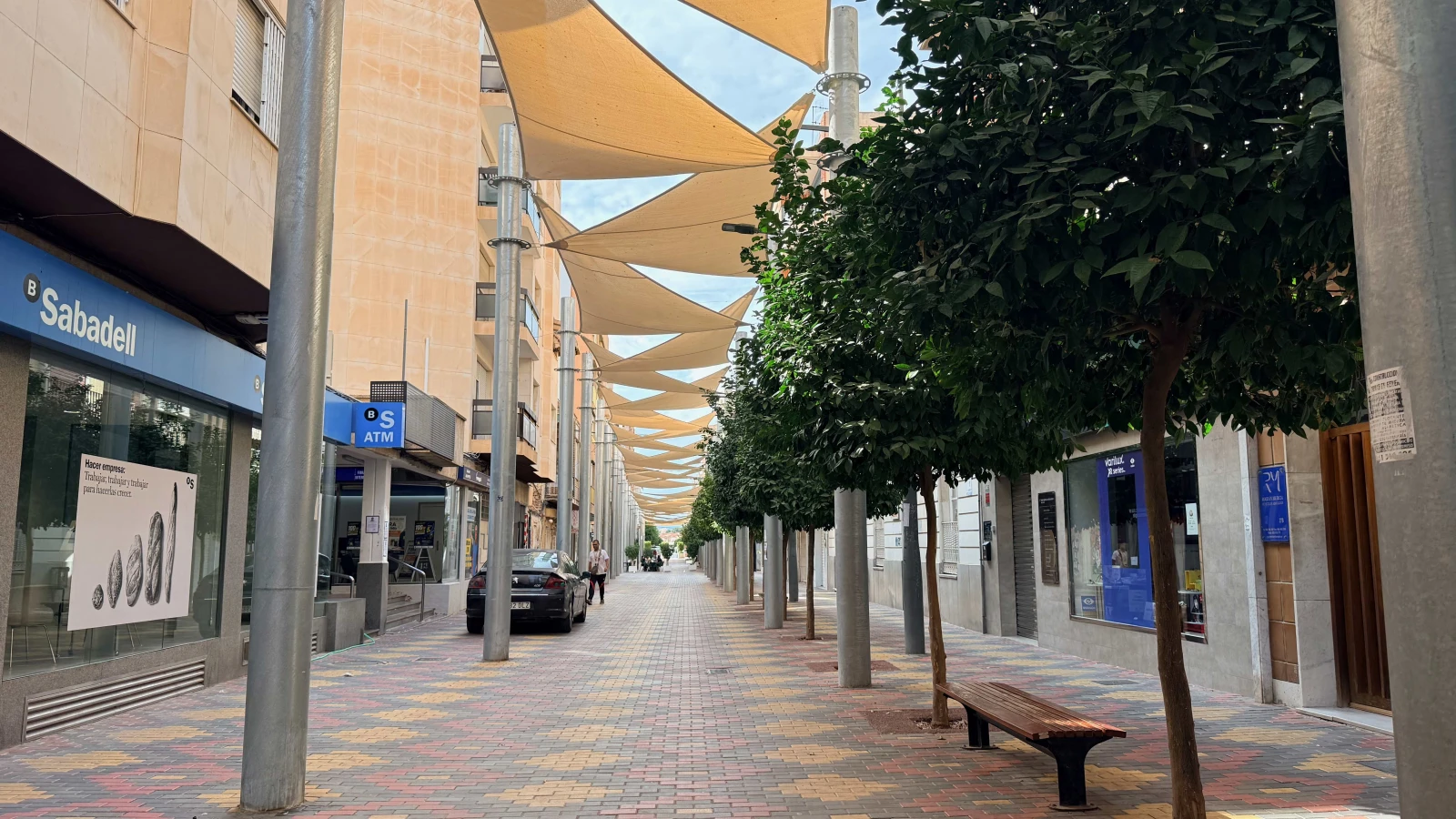
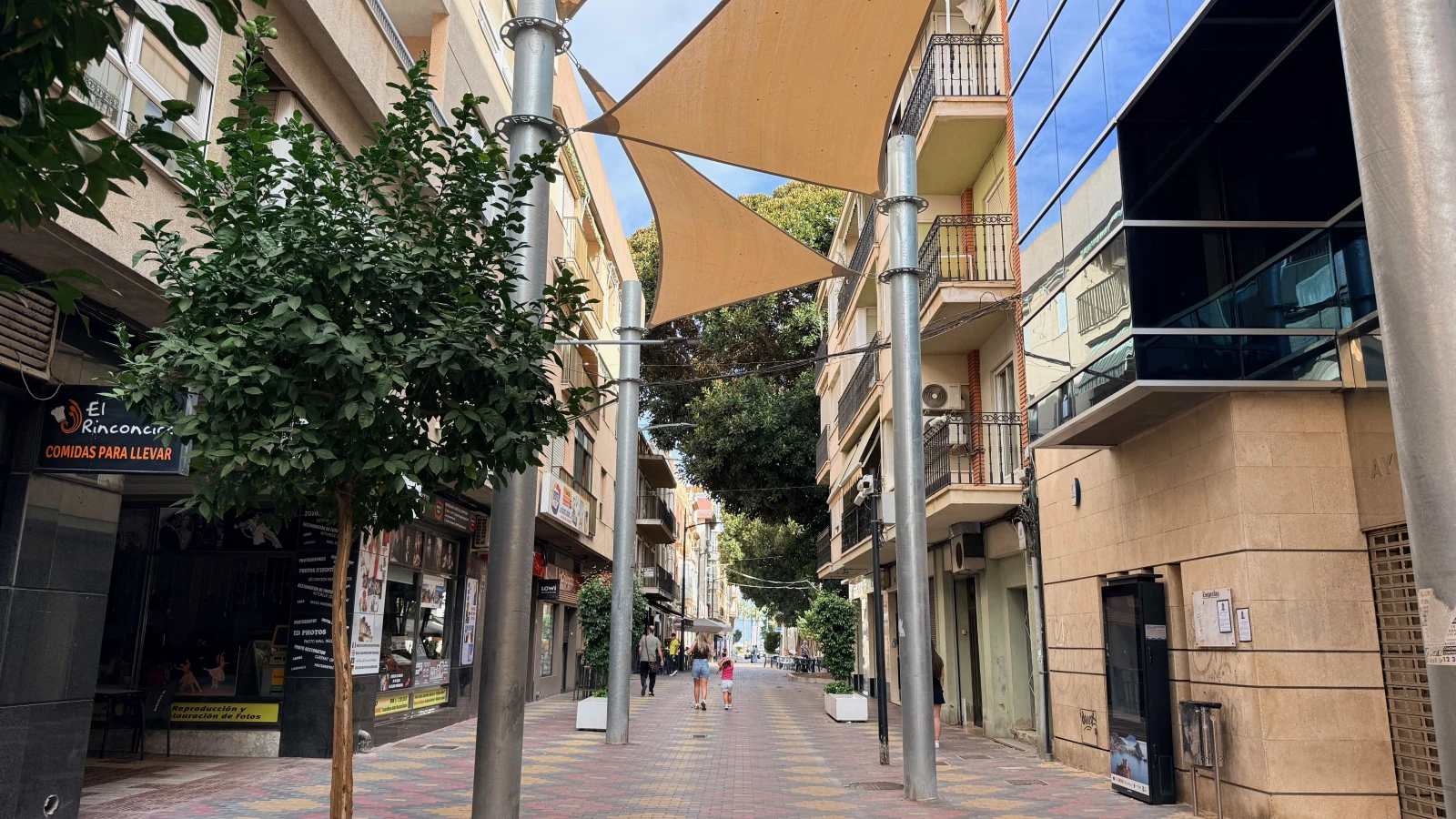
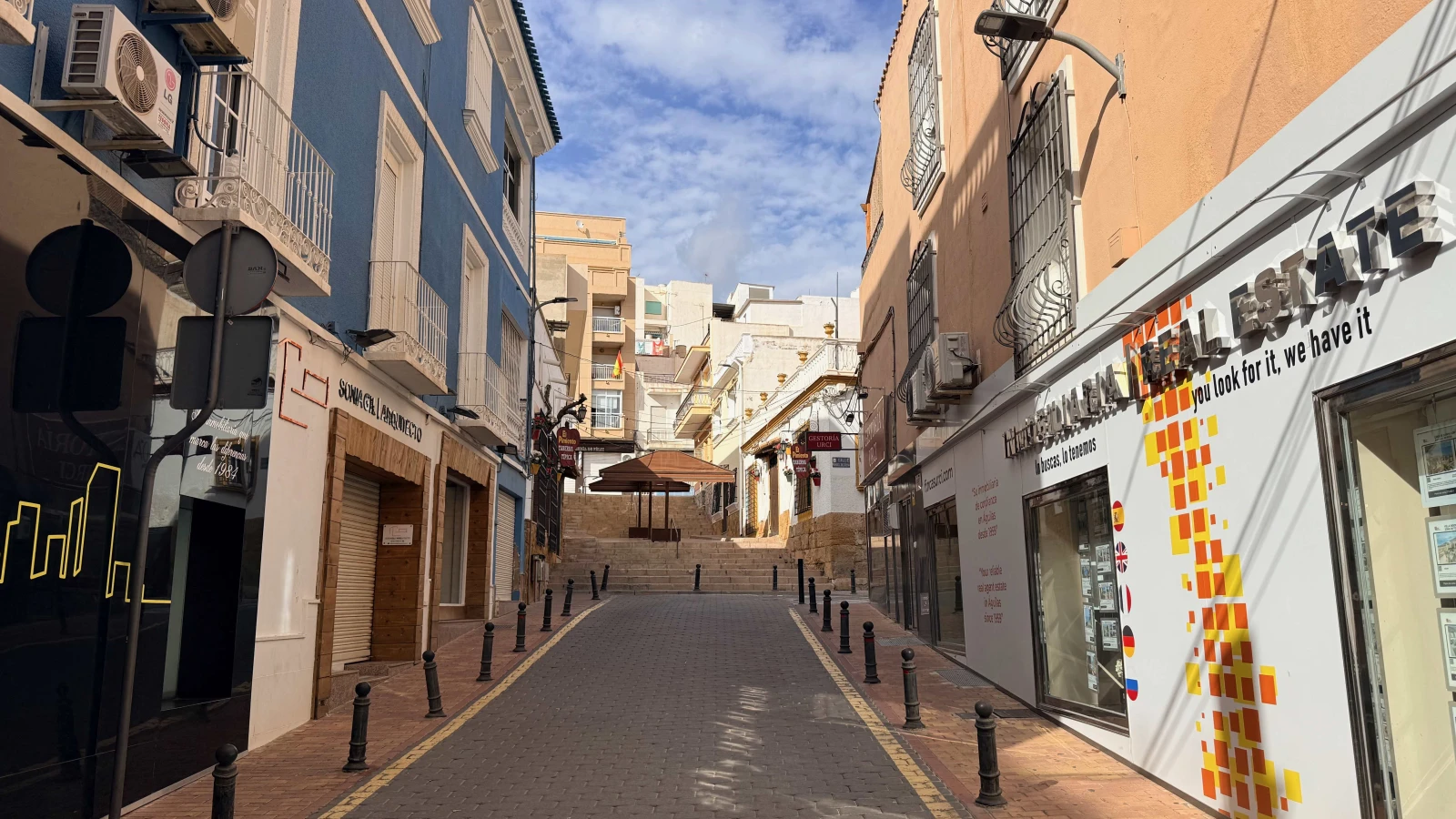
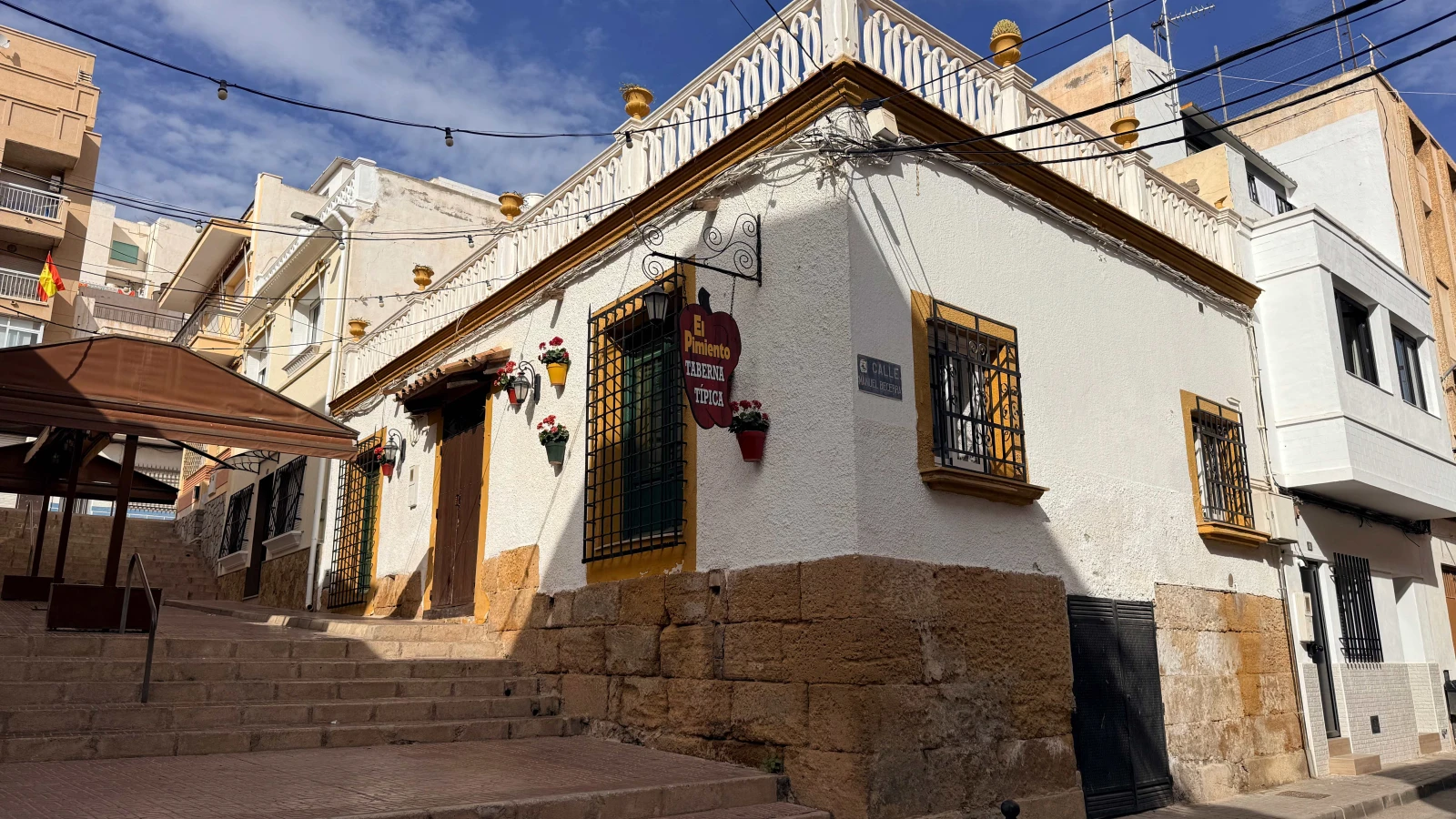
We especially liked the old town, the Casco Antiguo of Águilas.
We took our time, wandered through the streets and alleys, and tried not only to look at the city but also to understand it a little.
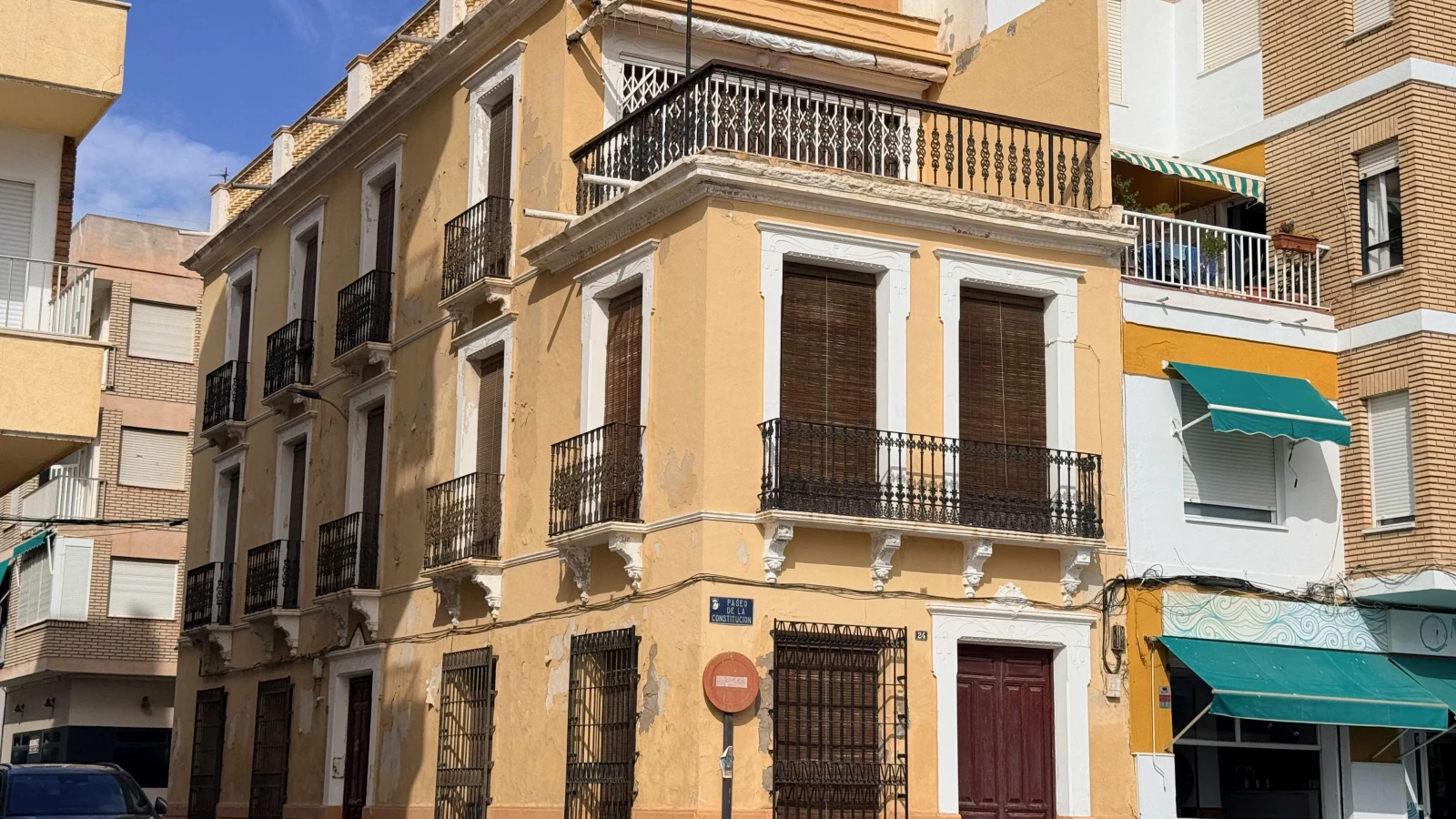
Because a city rarely shows its true face where the biggest sights stand. You find it rather in the inconspicuous streets, in the facades of old houses, on small squares, and in the ordinary life of its inhabitants.
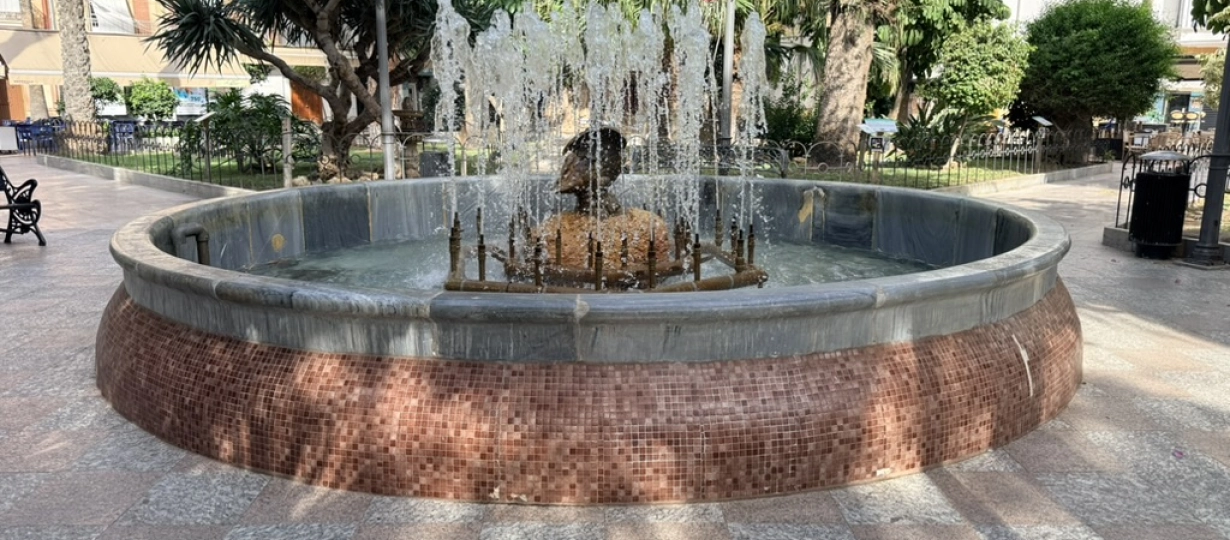
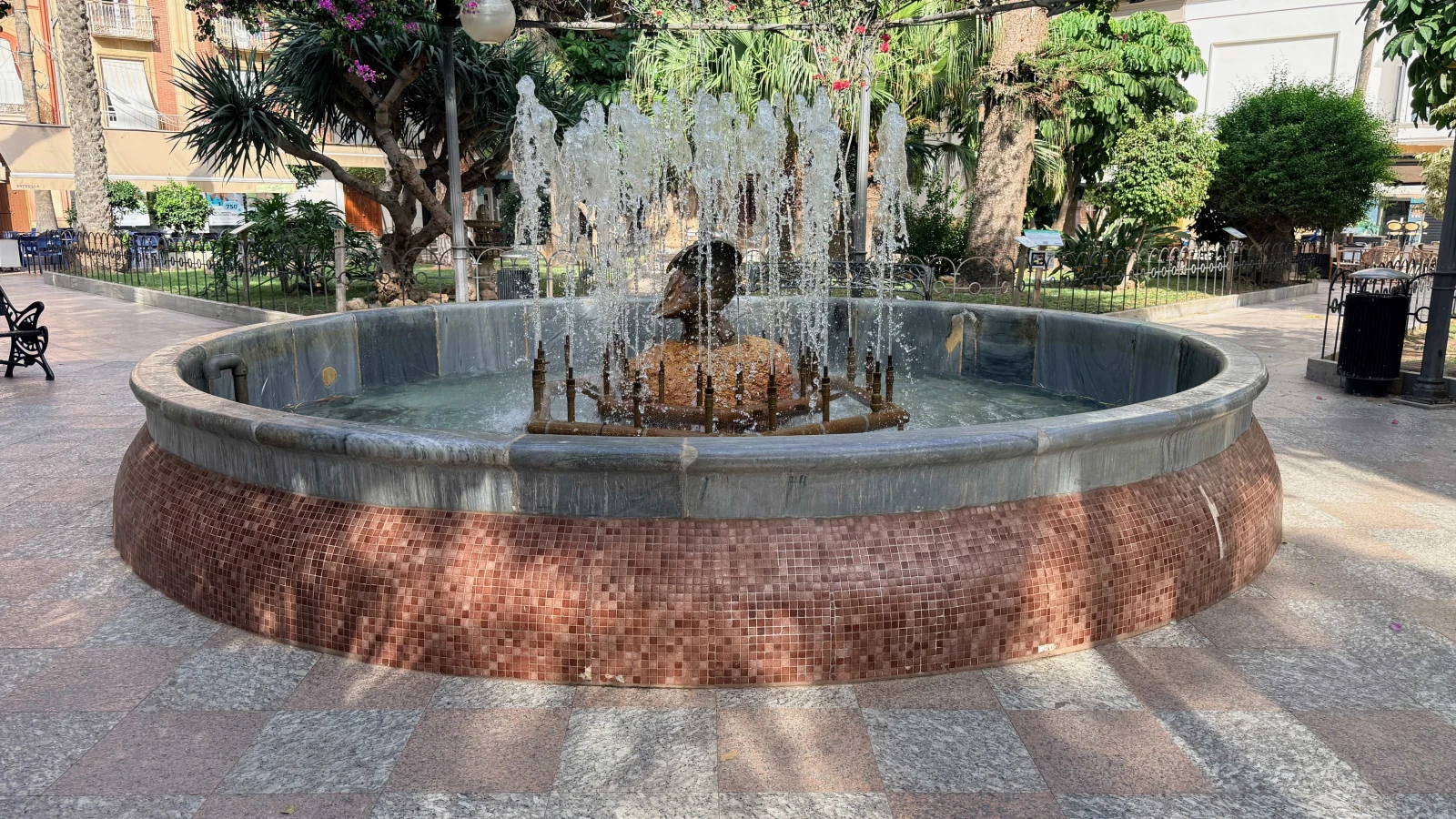
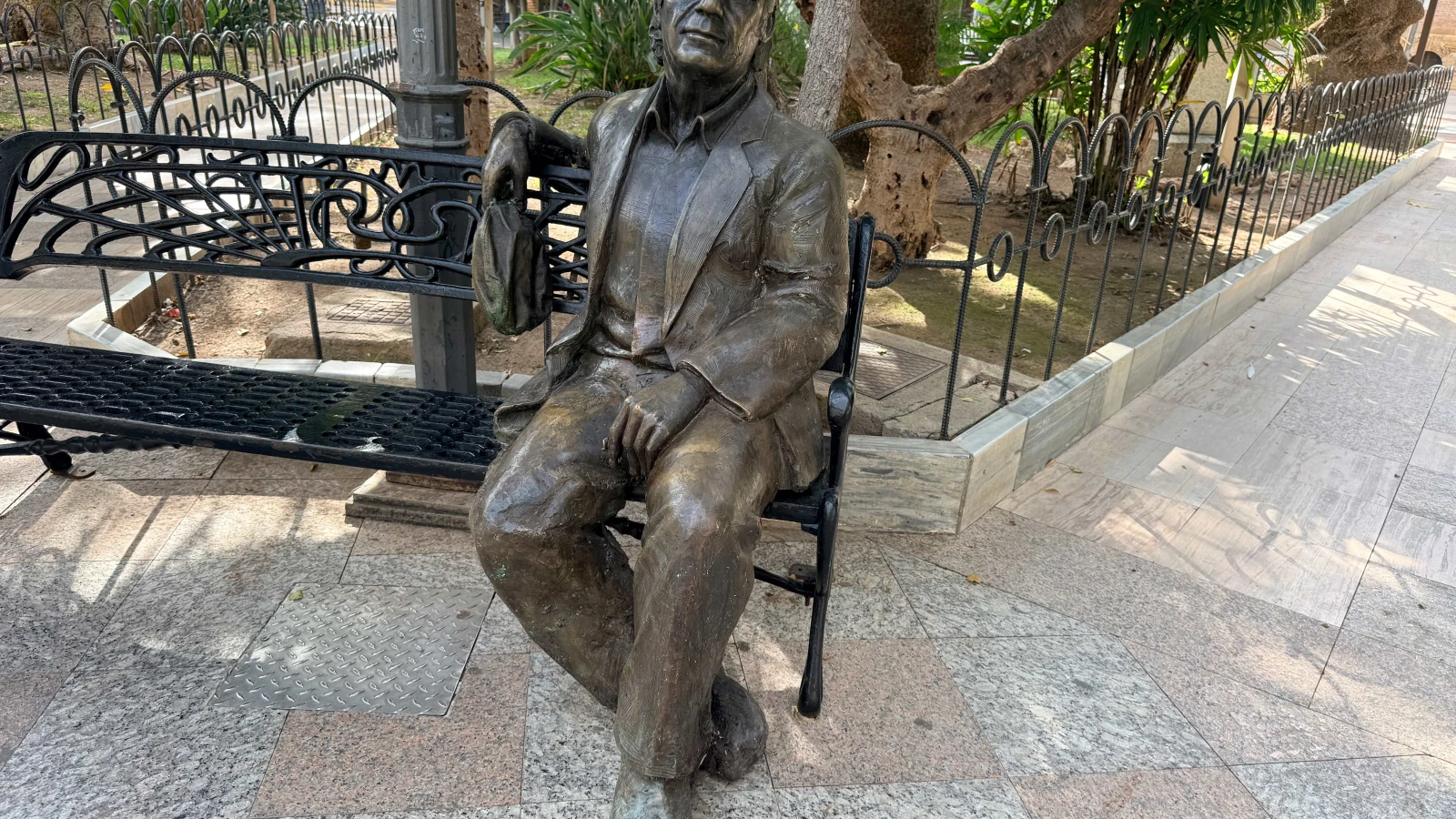
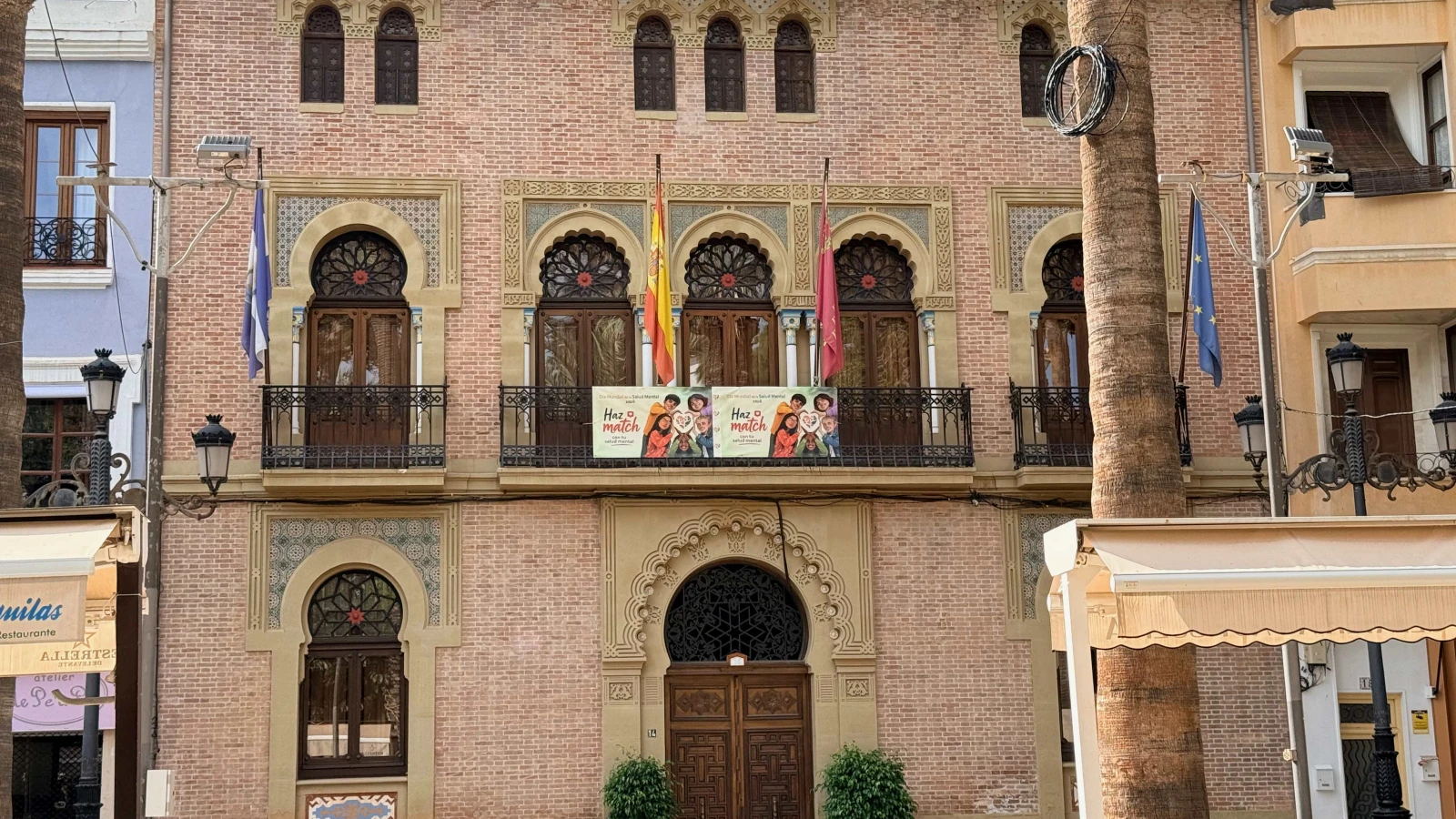
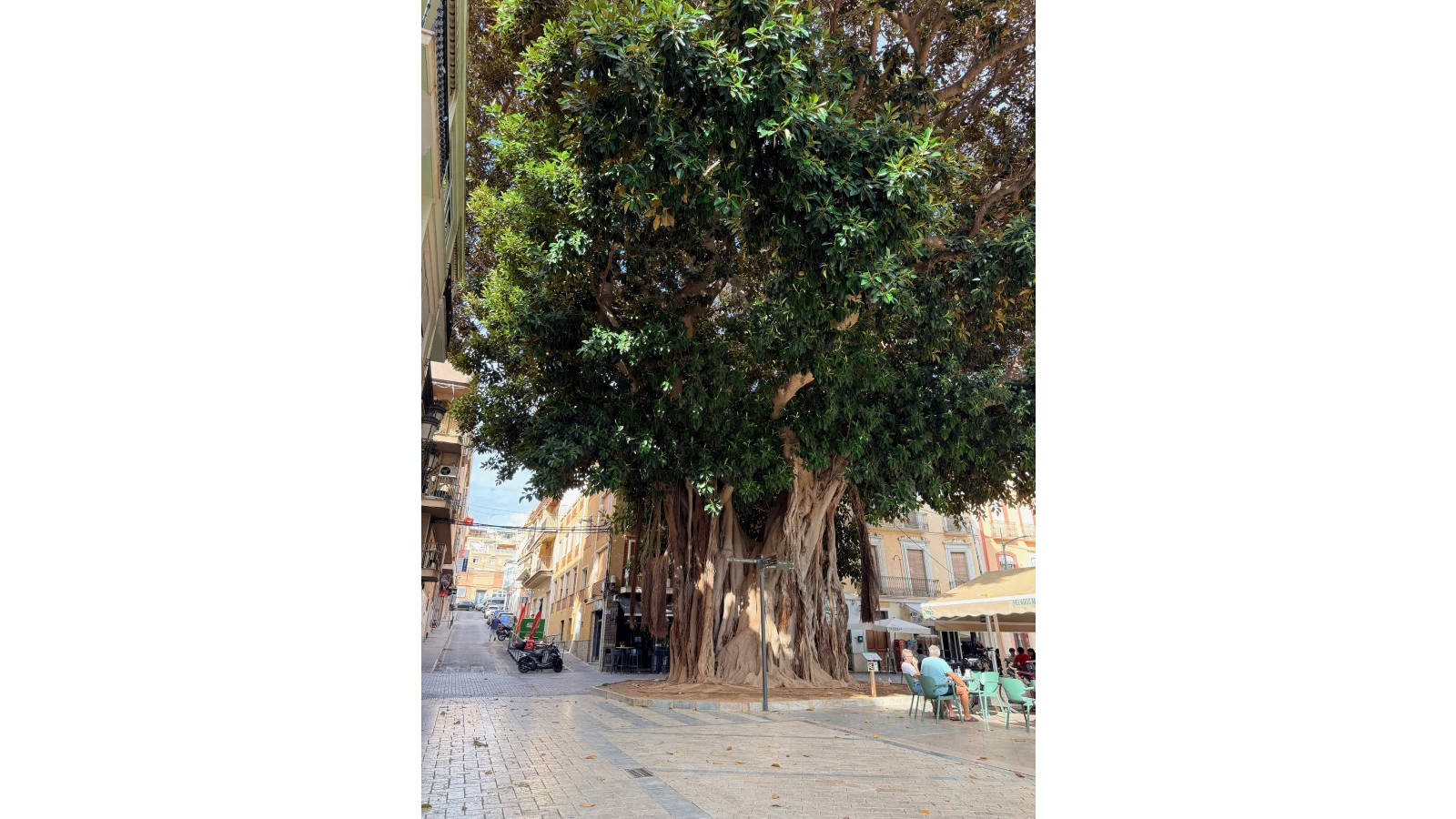
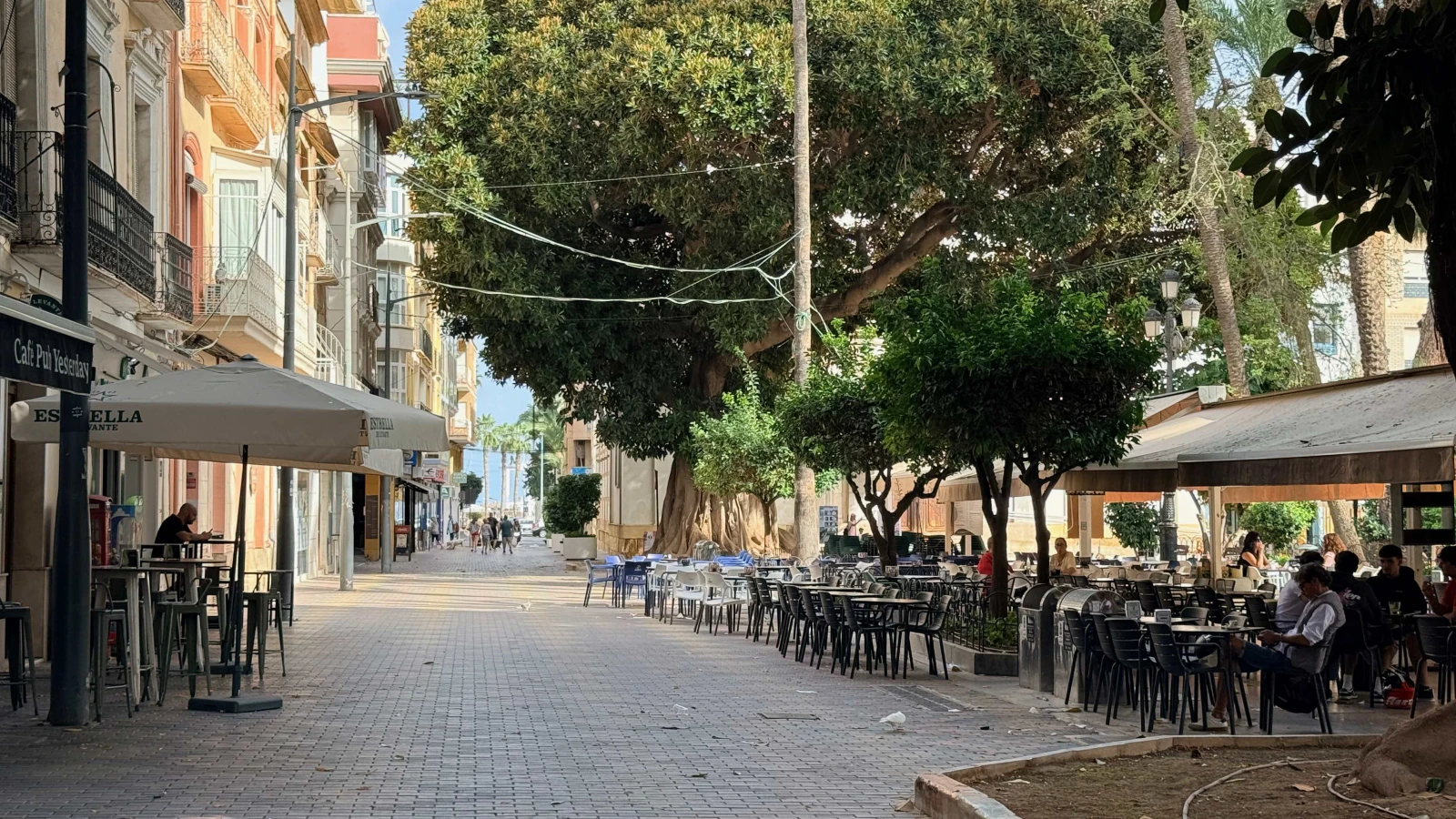
Particularly worth seeing is the Plaza de España, whose mighty old ficus trees almost look like green cathedrals. Here you will also find the historic town hall and, nearby, the San José church.
Such squares tell of a time when public life was still more outdoors, when people met, talked, and learned the news of the day not on a screen.
Águilas still retains much of this original Mediterranean character despite its size.
And that is exactly what we liked.
Of course, our two dogs Zuky and Mandy were with us again. For them, the extended walk along the promenade and through the city was at least as interesting as for us.
And at some point it was time again: there was ice cream.
Not only for us but, of course, also for Zuky and Mandy. A small tradition on our travels that has now become almost as natural as the walk itself.
While we humans occupy ourselves with history, architecture, and the beauty of a city, our dogs seem to have long understood what really matters in life.
A nice walk, a little attention, and ice cream at the right time.
Maybe contentment is actually that simple.
The history of Águilas – from the Romans to the port city
The history of Águilas goes back to antiquity. The Romans already used this coastal section, among other things for fishing, trade, and fish processing.
Its current urban character, however, was mainly shaped in the 18th century when the port was expanded and the town increasingly gained importance.
In the 19th century, the city experienced an economic upswing. Mining in the surrounding area and the export of minerals made the port grow. Railway connections, trade, and fishing shaped the lives of many families.
Even today, the fortress, the old buildings, and the industrial facilities recall this eventful past.
Águilas is therefore much more than a pretty seaside resort. It is a city whose history is closely linked to the sea, work, and the changes of the centuries.
Águilas today – population and economy in the last 20 years
Águilas has also changed significantly in the past two decades.
In 2005, around 31,200 people lived here. By 2025, the population rose to about 37,800. This corresponds to a growth of over 21 percent.
The economy has also developed. Besides traditional fishing, tourism, trade, various services, and intensive agriculture are especially important today.
Fruits and vegetables from the surrounding area are grown not only for the regional market but also marketed supra-regionally. At the same time, gastronomy, holiday accommodations, and other tourist services are important components of the economic life.
Águilas has developed into a popular place to live and vacation without completely losing its identity as a port city.
It is precisely this mix of grown history, modern infrastructure, and Mediterranean quality of life that makes the place interesting – not only for vacationers but also for people who want to live permanently in Spain.
Why we liked Águilas so much
Anyone who has lived in Spain for many years like us might think they know all the beautiful places on the Mediterranean coast by now.
But Spain has the wonderful property of repeatedly proving you wrong.
You drive a bit along the coast, leave behind familiar cities and landscapes, and suddenly find yourself in a place that shows you how much there still is to discover.
Águilas convinced us with its long promenade, its lively old town, and its pleasant atmosphere.
We spent the day walking, looking, stopping, and then going on again. Without a big program and without the ambition to check off every sight.
Because for me, traveling has long meant no longer visiting as many places as possible in as short a time as possible.
Rather, it means participating in another life for a few hours. Walking the streets of a foreign city and imagining what it would be like to live here, to take the same paths every morning, and to have the sea as a natural neighbor.
And then you realize that the special thing about a trip sometimes lies precisely in the very ordinary moments.
In a walk by the sea.
In an old alley.
Or in two content dogs who enjoy their ice cream after a long day.
Our conclusion: Is a visit to Águilas worthwhile?
Yes, definitely. And you should allow yourself at least a whole day for it.
Águilas offers a wonderful combination of beaches, historic sights, Mediterranean architecture, and Spanish everyday life.
The city is a worthwhile excursion destination for all who live on the Costa Blanca or the Costa Cálida as well as for vacationers who want to get to know a different side of southeastern Spain beyond the well-known tourist spots.
We have long decided to come back. Maybe on the next visit, we will explore the fortress more closely, discover more coves, or simply sit somewhere by the sea and let the hours pass.
Because not every place demands to be discovered completely.
Some simply want you to return.
And Águilas is such a place for us.
Rainer Schmitz
Frequently Asked Questions about Águilas (FAQ)
Where is Águilas located in Spain?
Águilas is located in the south of the Murcia region on the Costa Cálida, right on the border with the Andalusian province of Almería.
What are the most beautiful sights in Águilas?
The best known include the Castillo de San Juan de las Águilas, Plaza de España, the historic Casco Antiguo, the beach promenades, the harbor, and the Embarcadero del Hornillo.
Does Águilas have a beautiful old town?
Yes. The Casco Antiguo offers traditional streets, historic buildings, the San José church, and the Plaza de España with its impressive old ficus trees.
Can you visit Águilas with dogs?
Yes, the city offers many opportunities for extensive walks, especially along the beach promenades. Some beaches have special regulations regarding bringing dogs.
How many inhabitants does Águilas have?
According to official population figures from 2025, Águilas has a total of 37,811 inhabitants.
Can you see Águilas in one day?
One day is enough to get to know the old town, the promenade, and some of the most important sights. Those who want to explore the beaches and coves in the surroundings should plan more time.
Is Águilas a good excursion destination from the Costa Blanca?
Yes. Especially from the southern part of the Costa Blanca, Águilas can be easily reached as a day trip. The city offers an attractive complement to the well-known coastal towns of the province of Alicante.





Comments