Ibi in Alicante – a small walk through the city of toys
Not every place you discover on your travels has to excite you. Sometimes it is enough to have been there, to stroll a little through the streets and then continue with the feeling of having gotten to know a small part of Spain better.
That was our experience with Ibi, a town in the hinterland of the Alicante province, just a few kilometers from Castalla and Tibi.
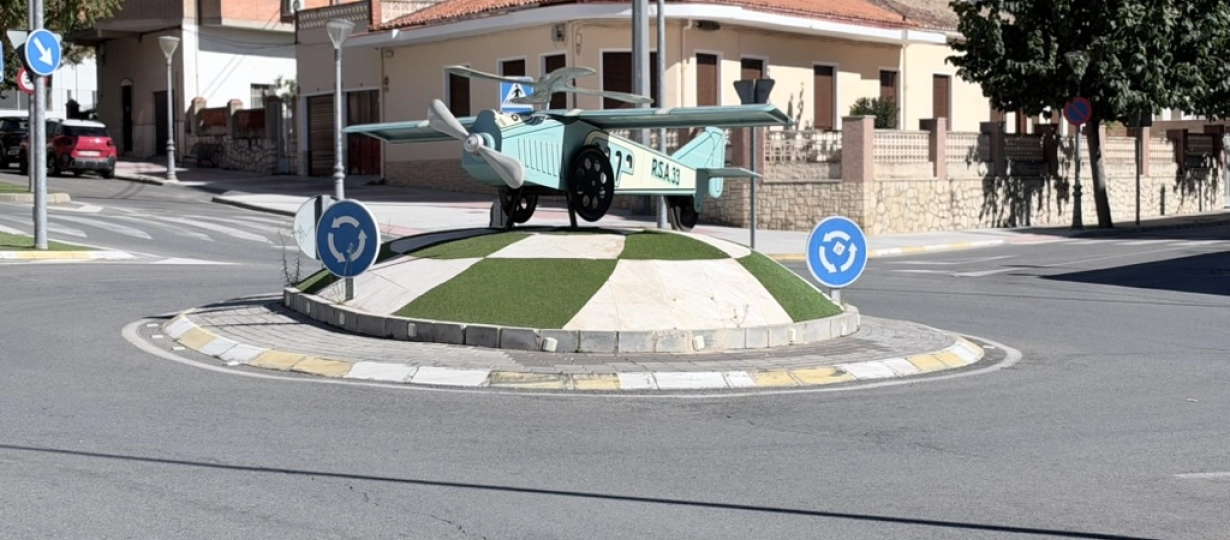
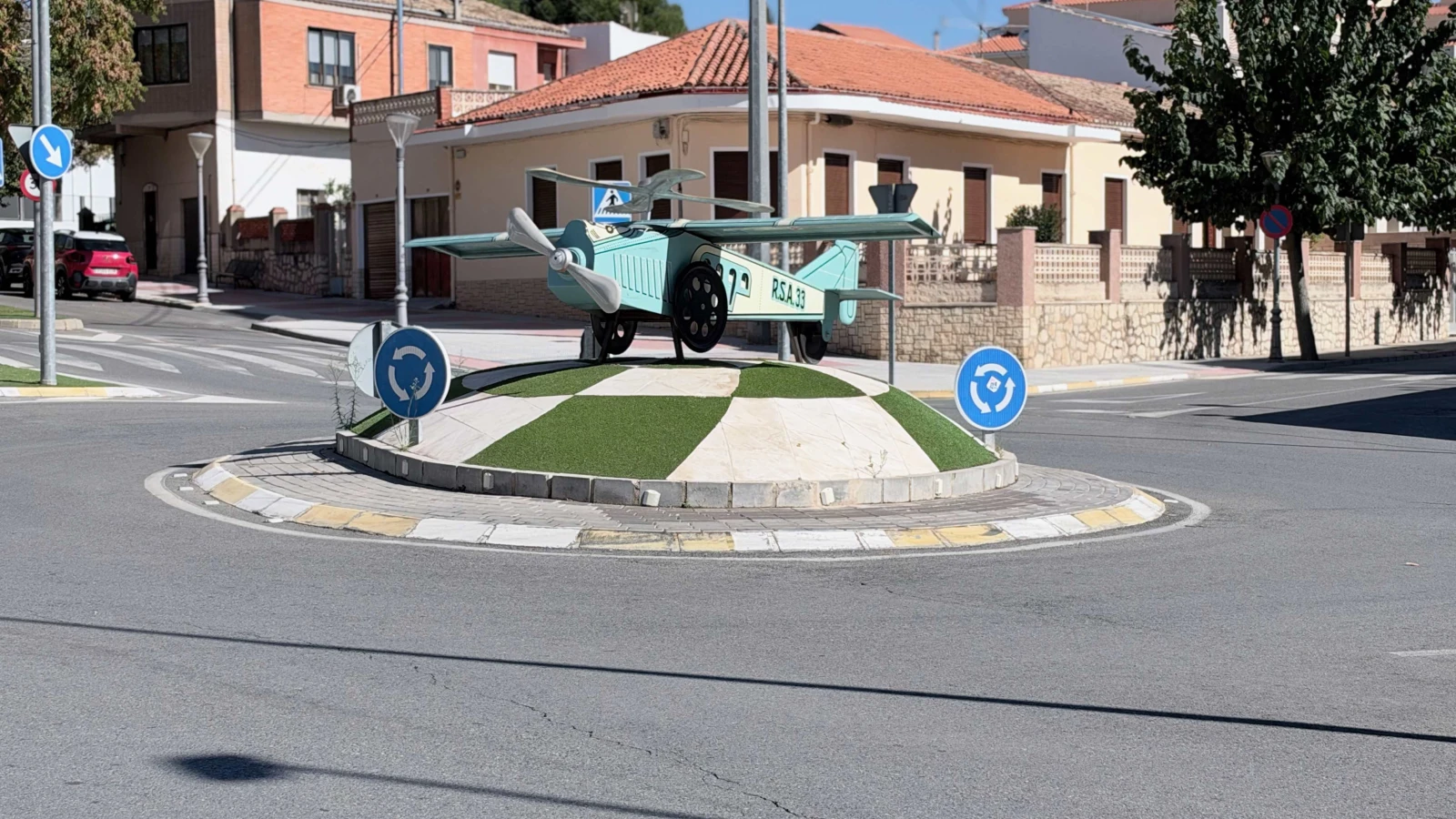
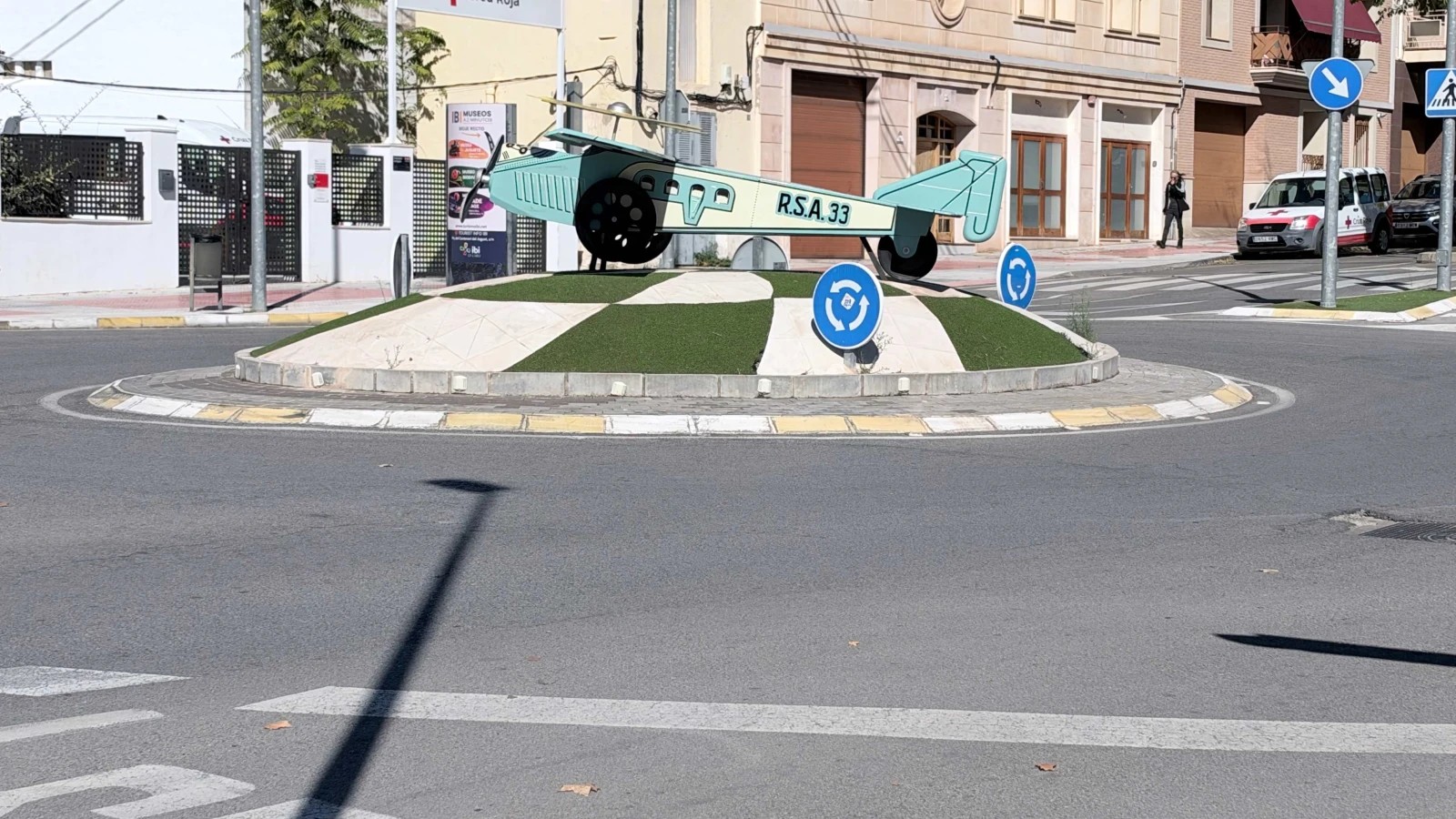
Ibi is primarily known as the Spanish city of toys. A name that certainly raises expectations. You imagine small shops, perhaps workshops, old shop windows full of toys, and streets where you can still feel something of the time when countless children's dreams began here.
But reality is sometimes a bit more sober than our imaginations.
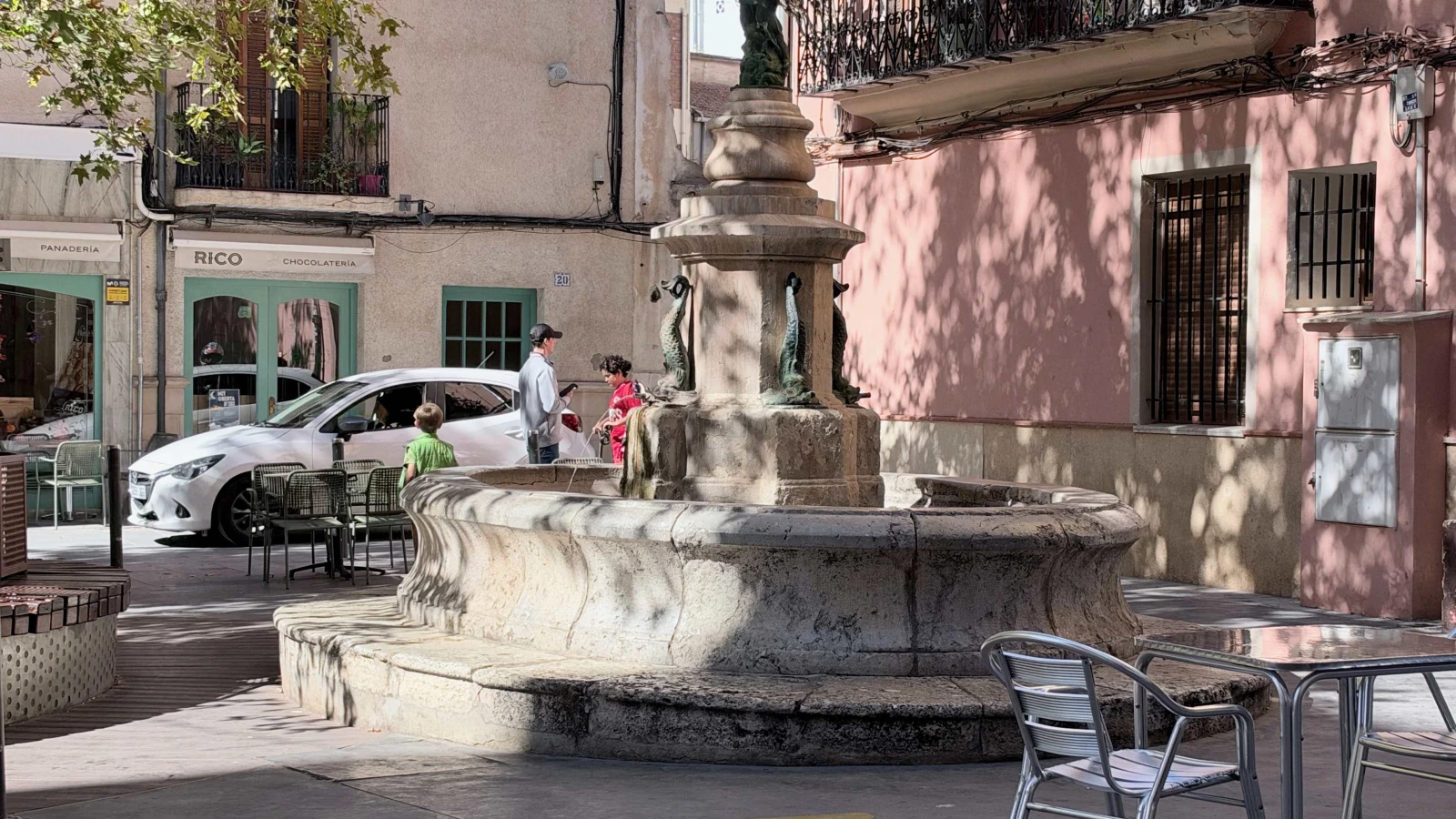
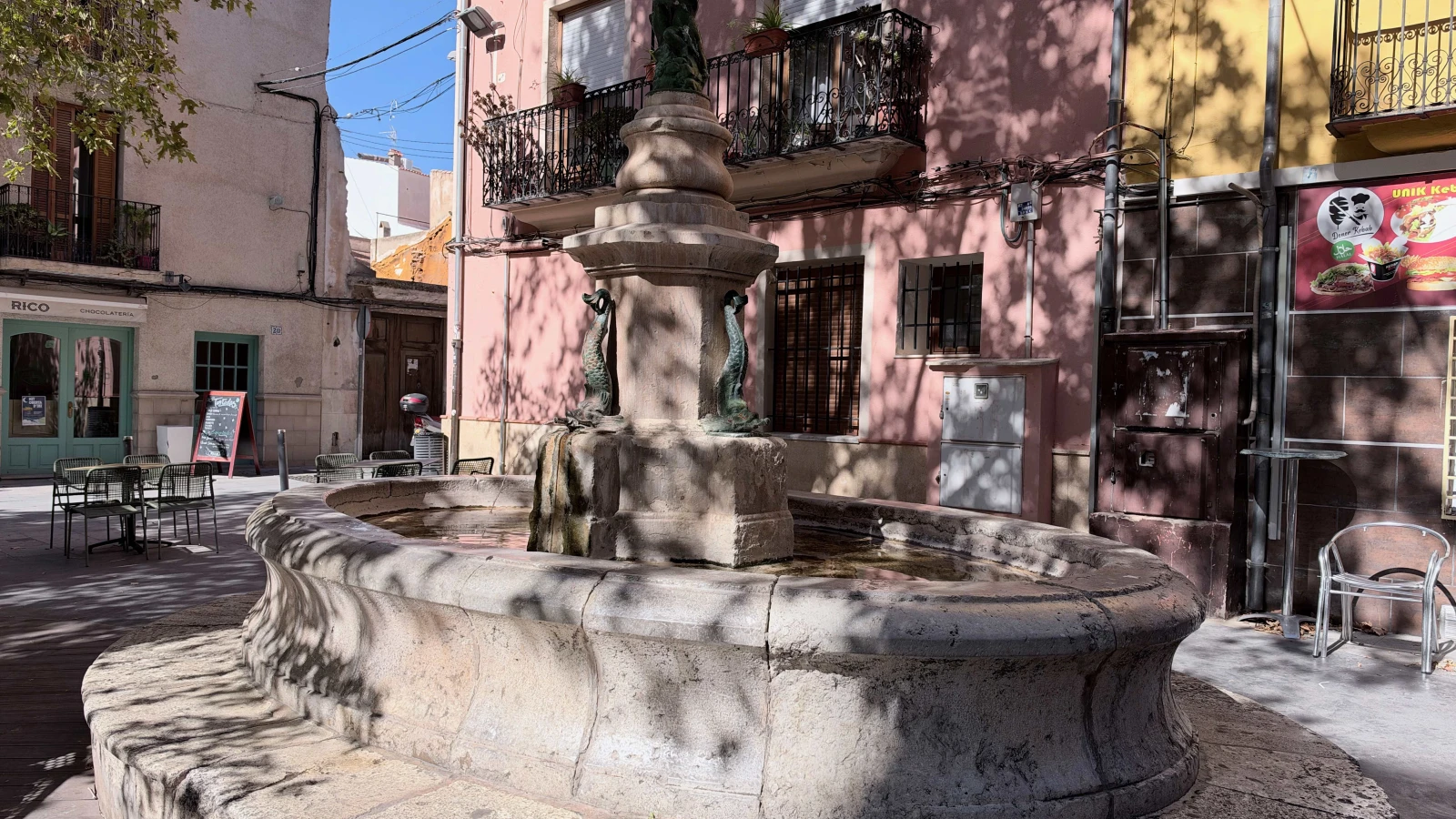
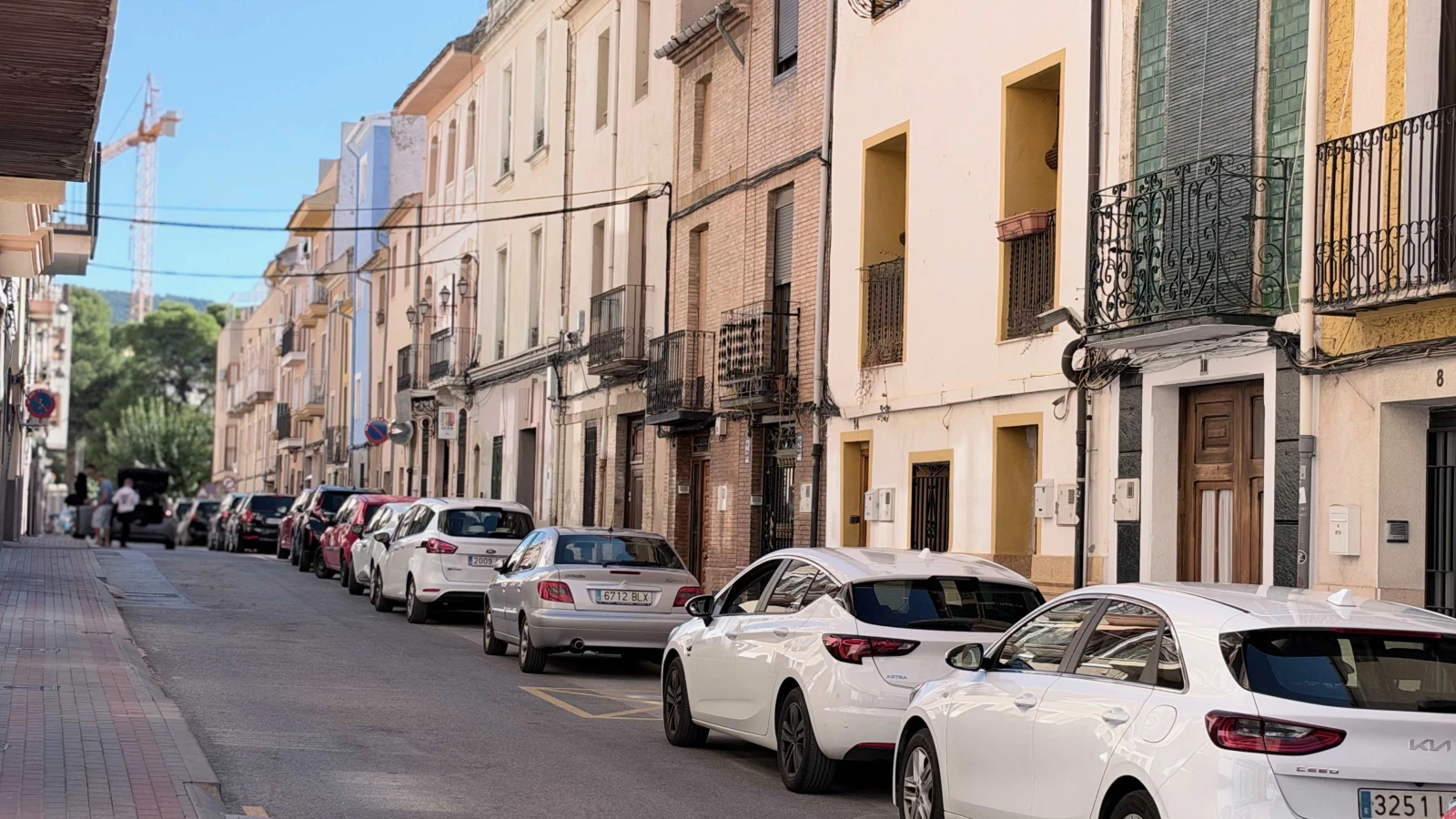
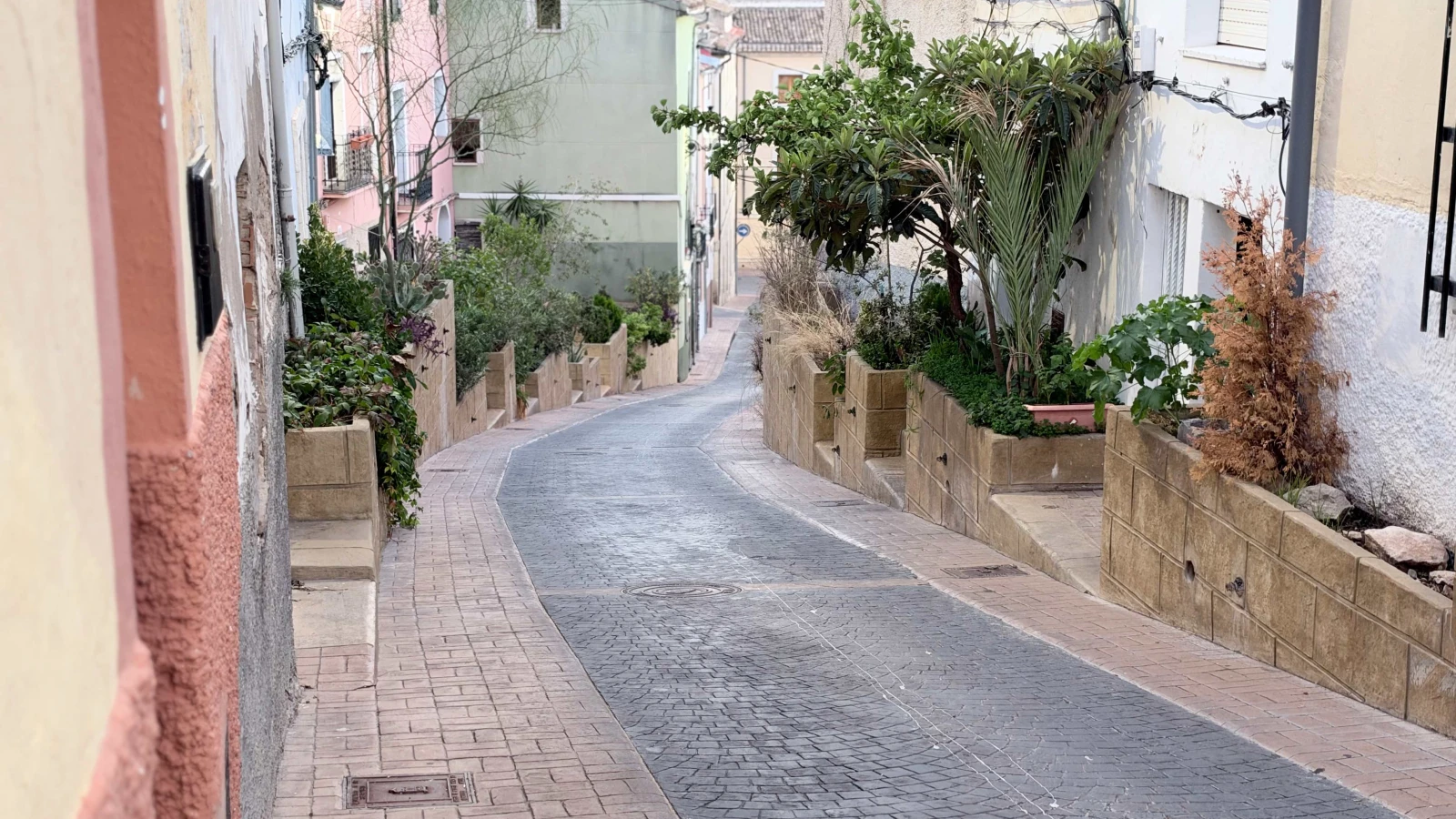
We took a good look at Ibi in peace. Zuky and Mandy were, as often, by my side, and together we strolled through the small streets and alleys of the town center.
It was a pleasant walk. But not much more than that.
What is there to see in Ibi?
Ibi lies at about 800 meters elevation in the landscape of Hoya de Castalla, surrounded by the mountains of the southern hinterland of Alicante province.
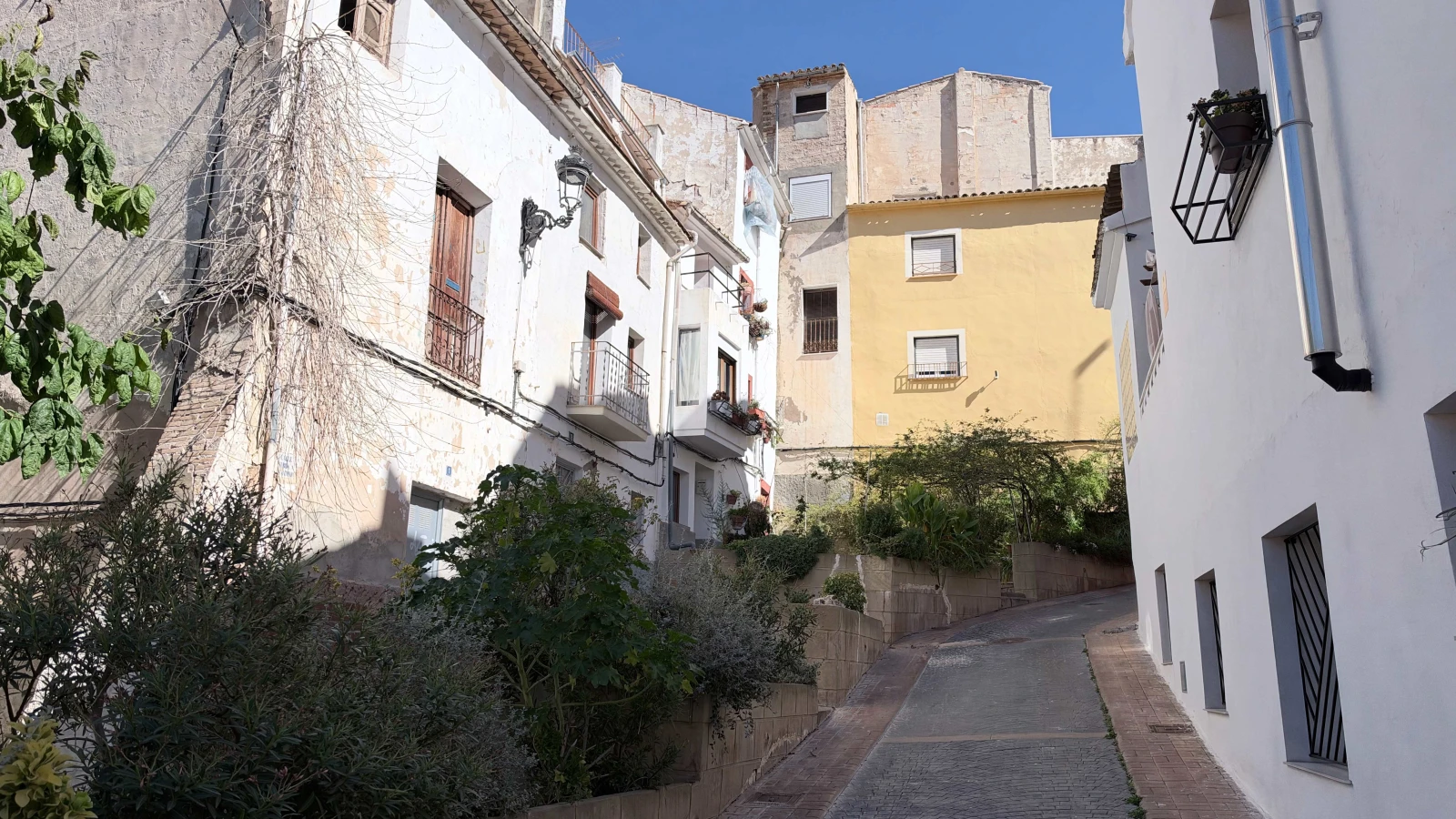
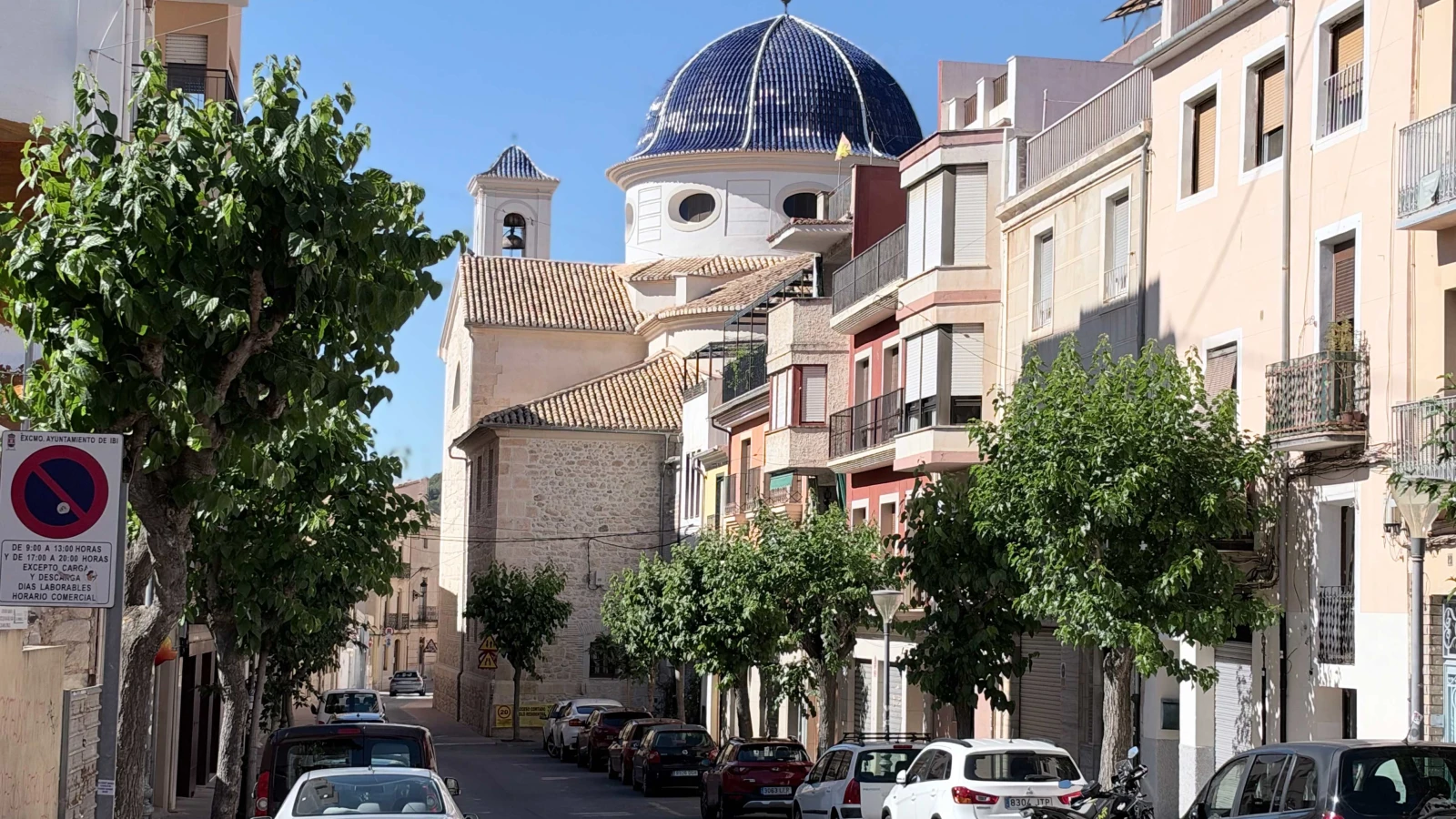
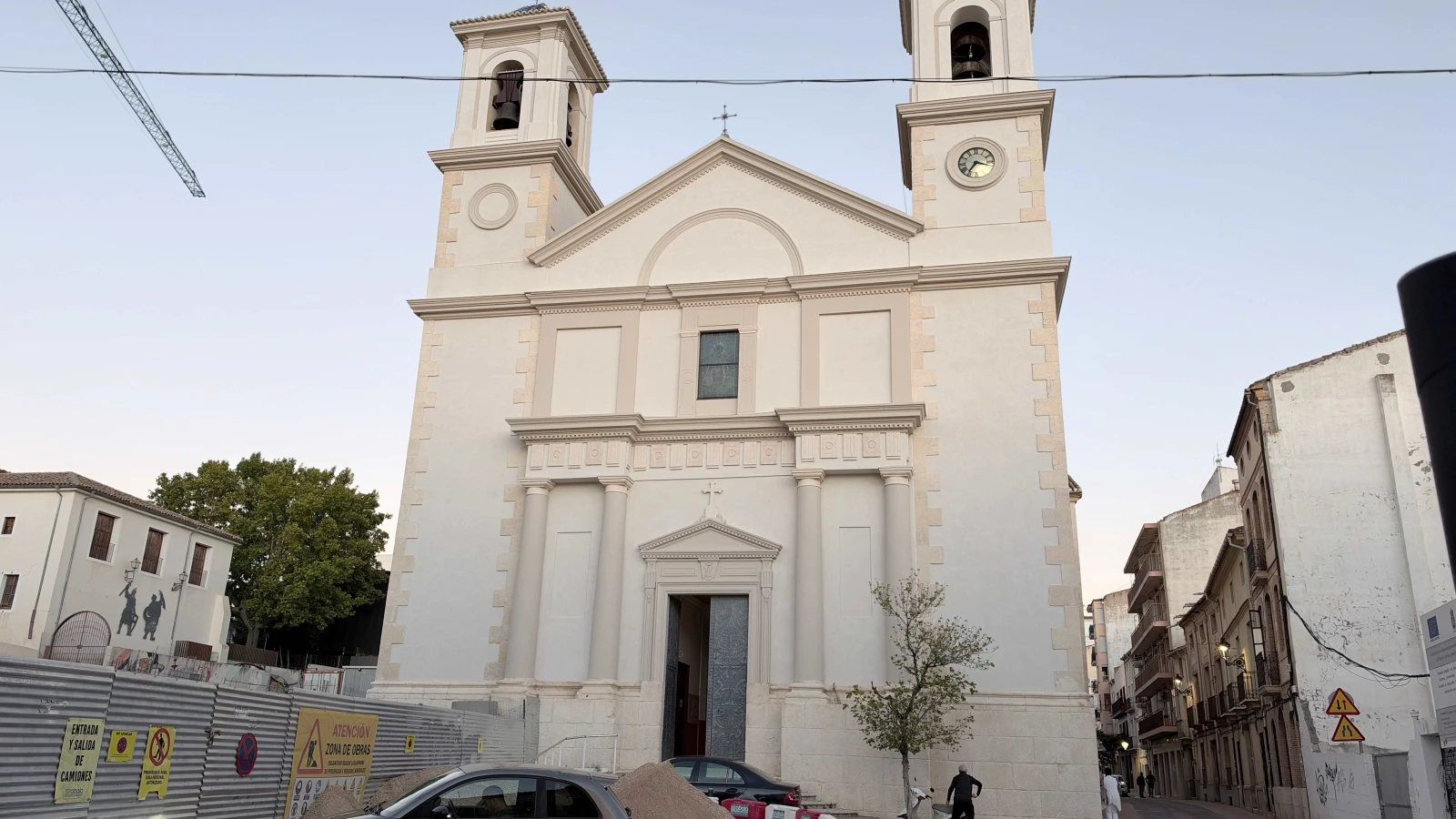
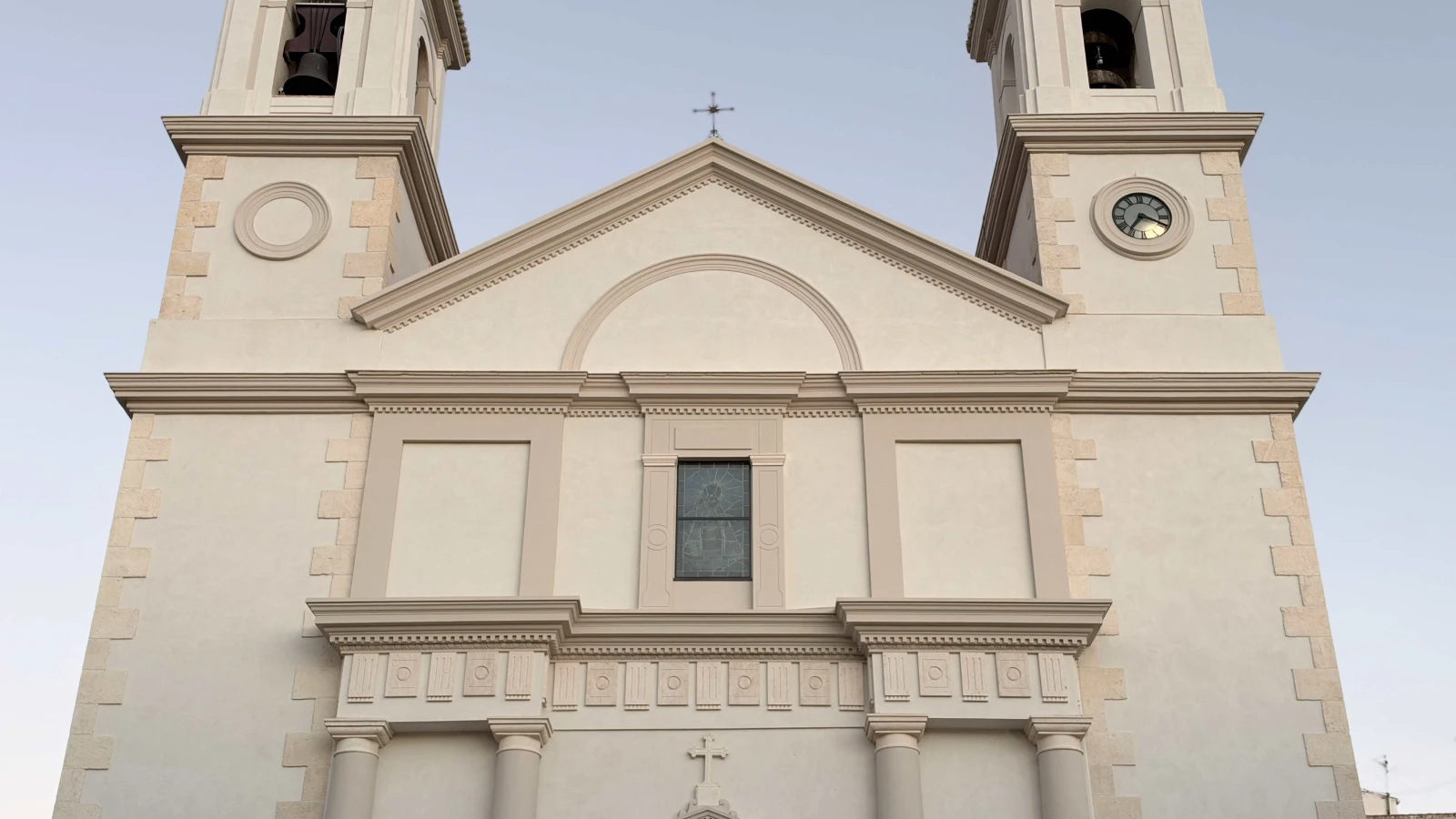
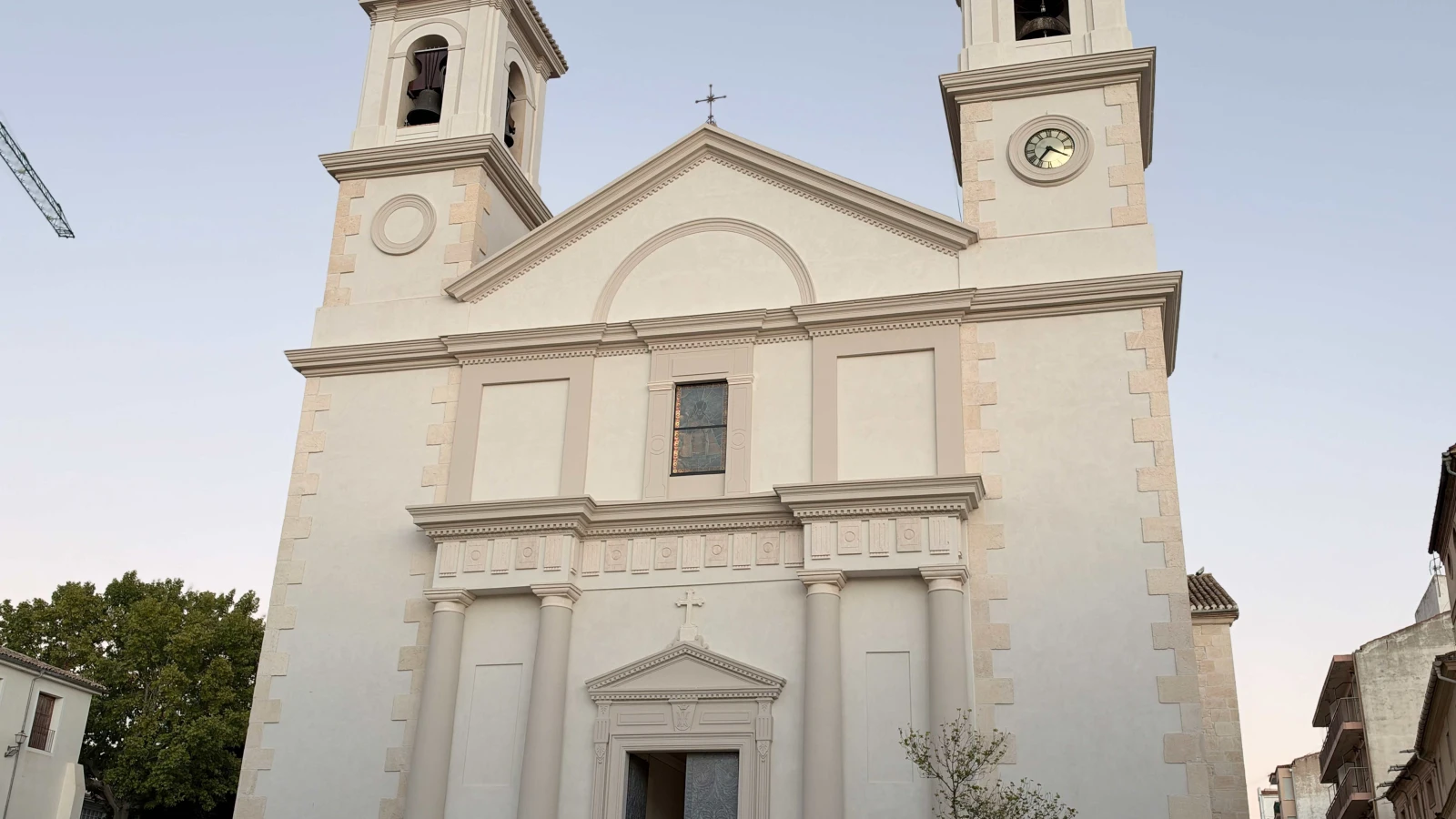
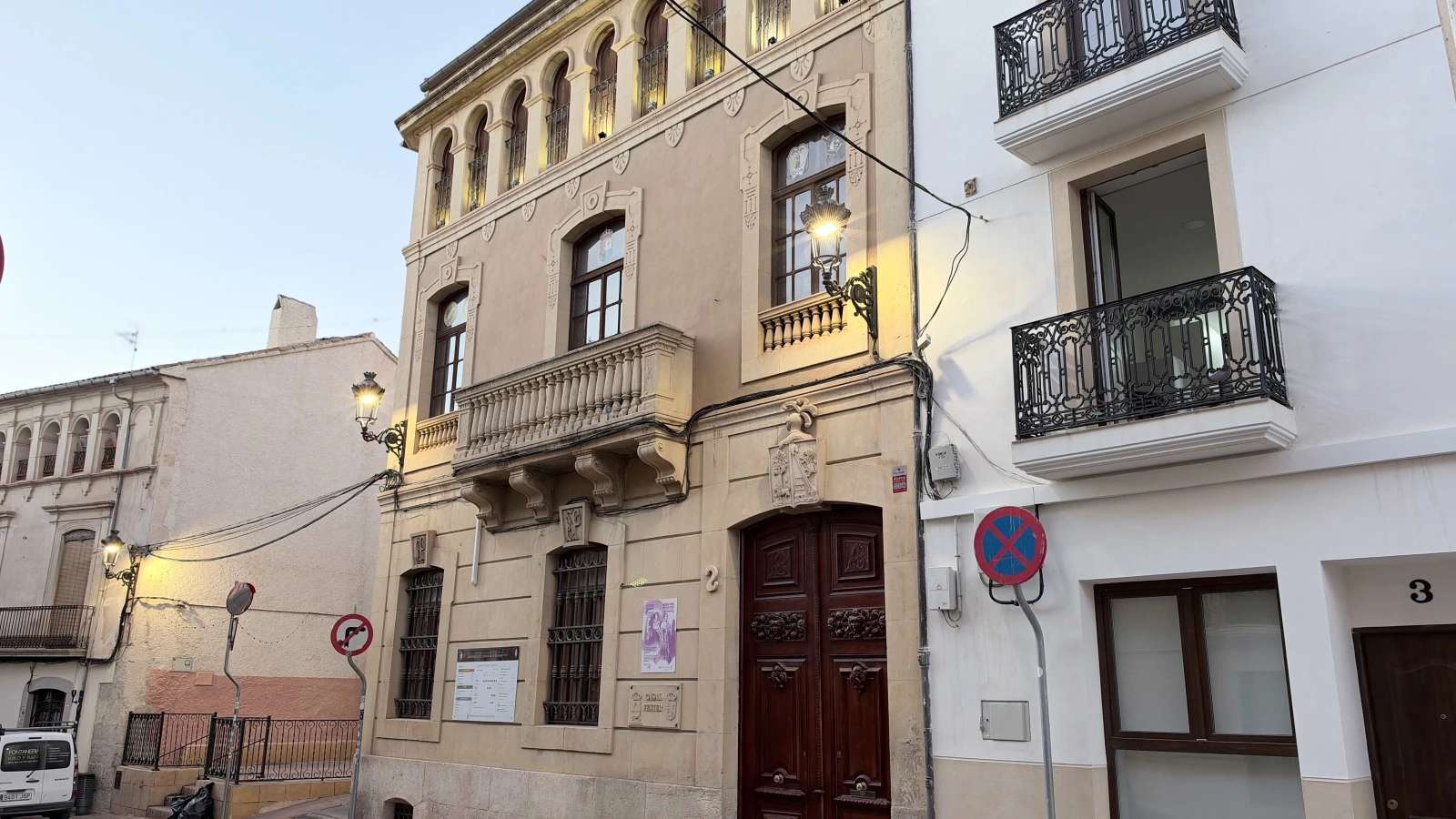
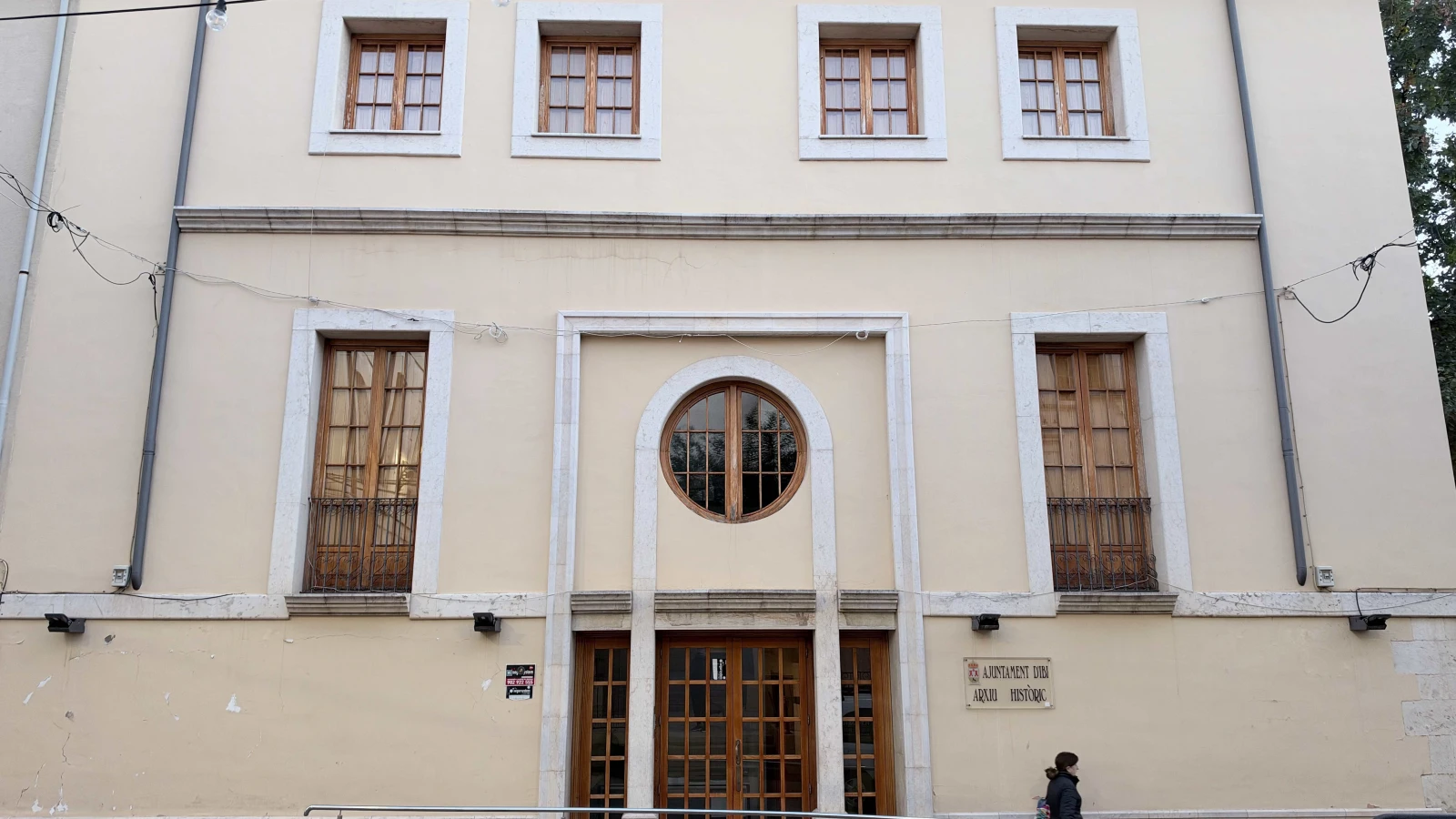
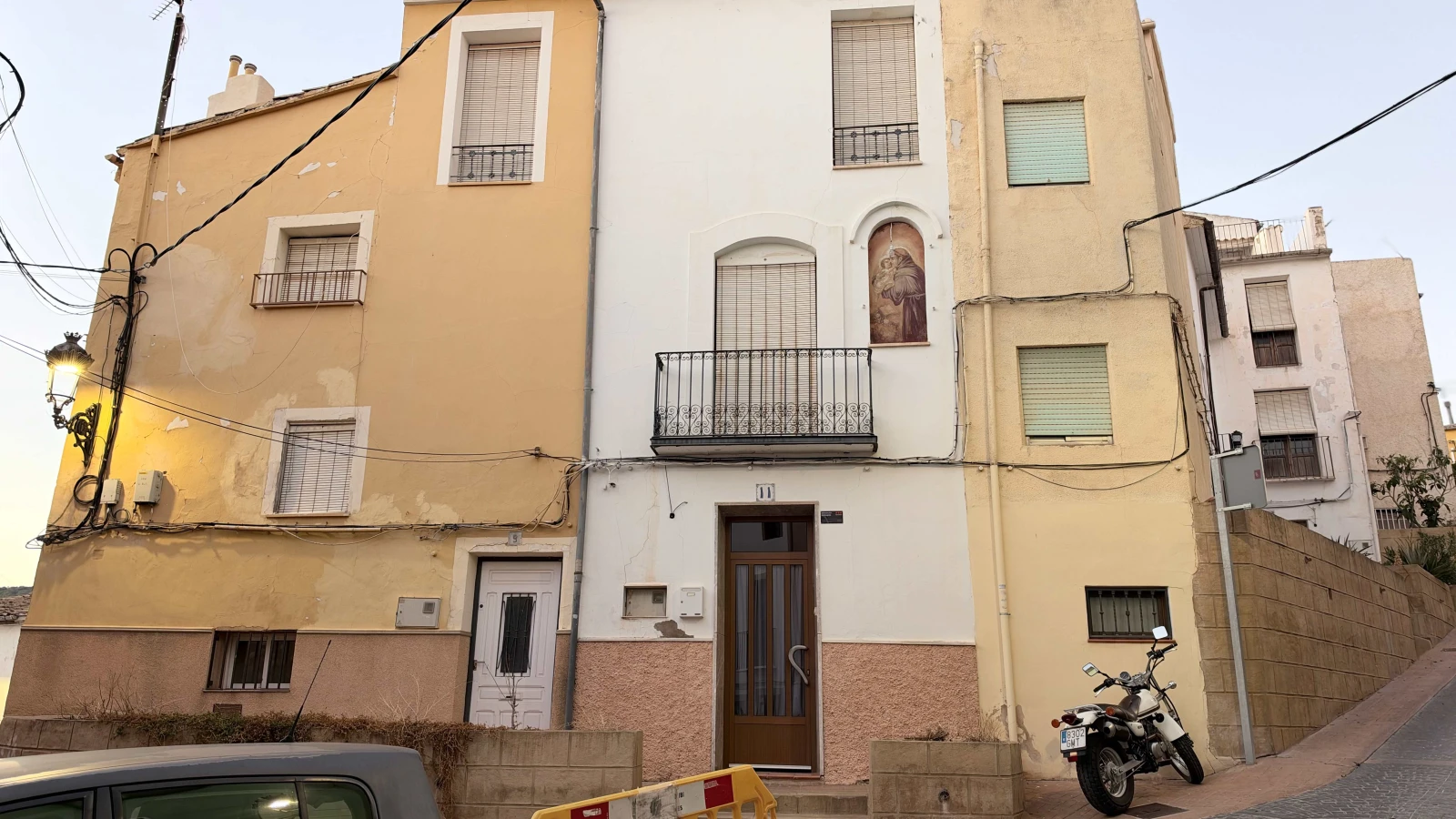
The town has an older center with narrow streets, traditional houses, and some small squares. Particularly noteworthy are the church Iglesia de la Transfiguración del Señor, the adjacent Plaza de la Iglesia, and the district Les Costeretes with its ascending alleys.
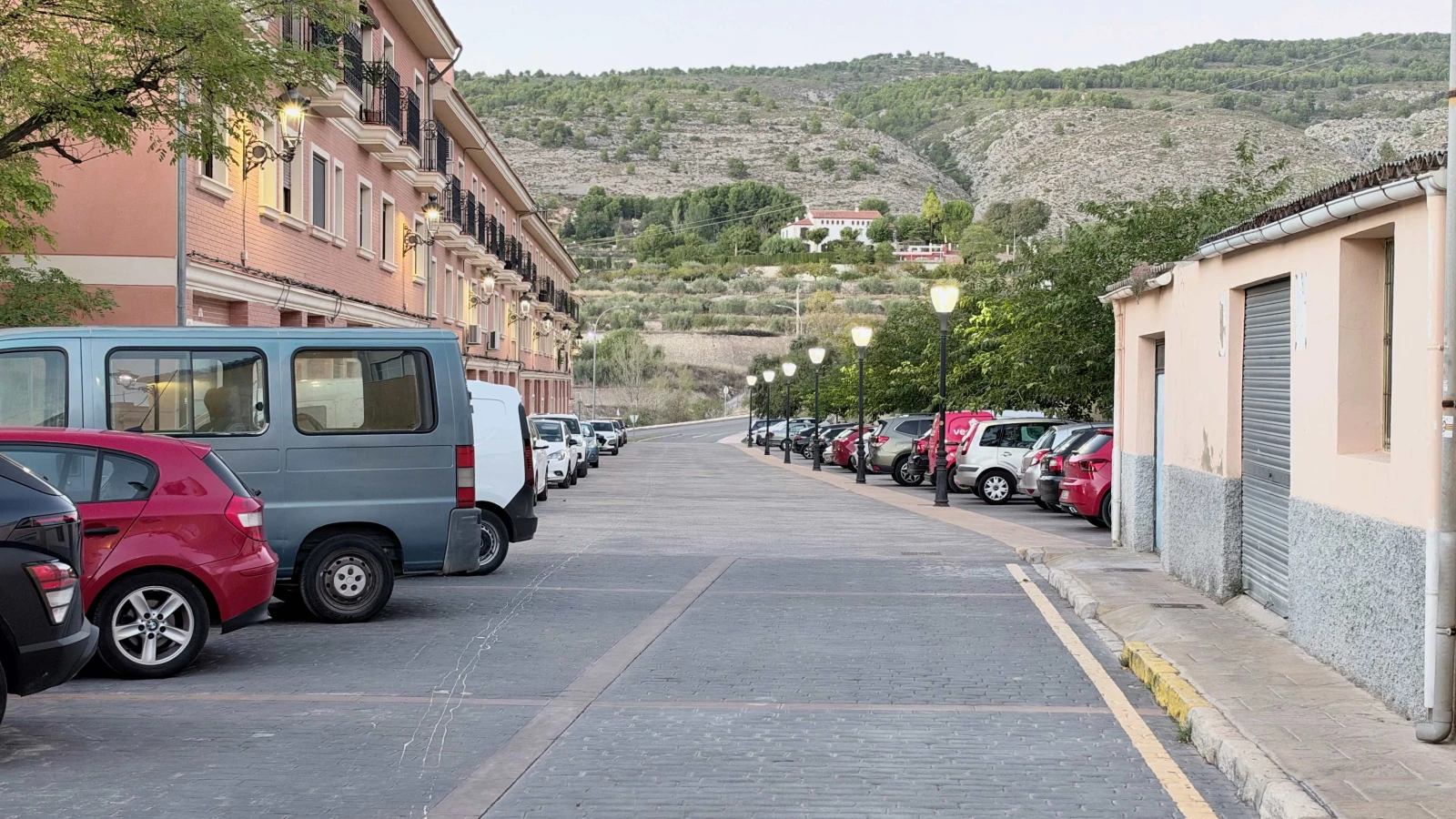
These corners still convey something of the original character of the place, although overall Ibi gives more the impression of a grown industrial town than a romantic mountain village.
A special feature is the Museo Valenciano del Juguete, the Valencian Toy Museum. Here the history of the industry that made Ibi famous far beyond the region in the last century is told.
The museum is located on the grounds of the former Payá toy factory. Old tin toys, models, and historical collection pieces recall the time when Ibi became one of the most important centers of Spanish toy manufacturing.
We ourselves did not visit the museum. We also did not discover any open toy shops or workshops where one might still see something of this old tradition during our walk.
That was a bit of a pity, but ultimately not a big deal. We did not come to see something specific but to get to know another place.
For visitors particularly interested in the history of toys, the museum is probably the most interesting stop.
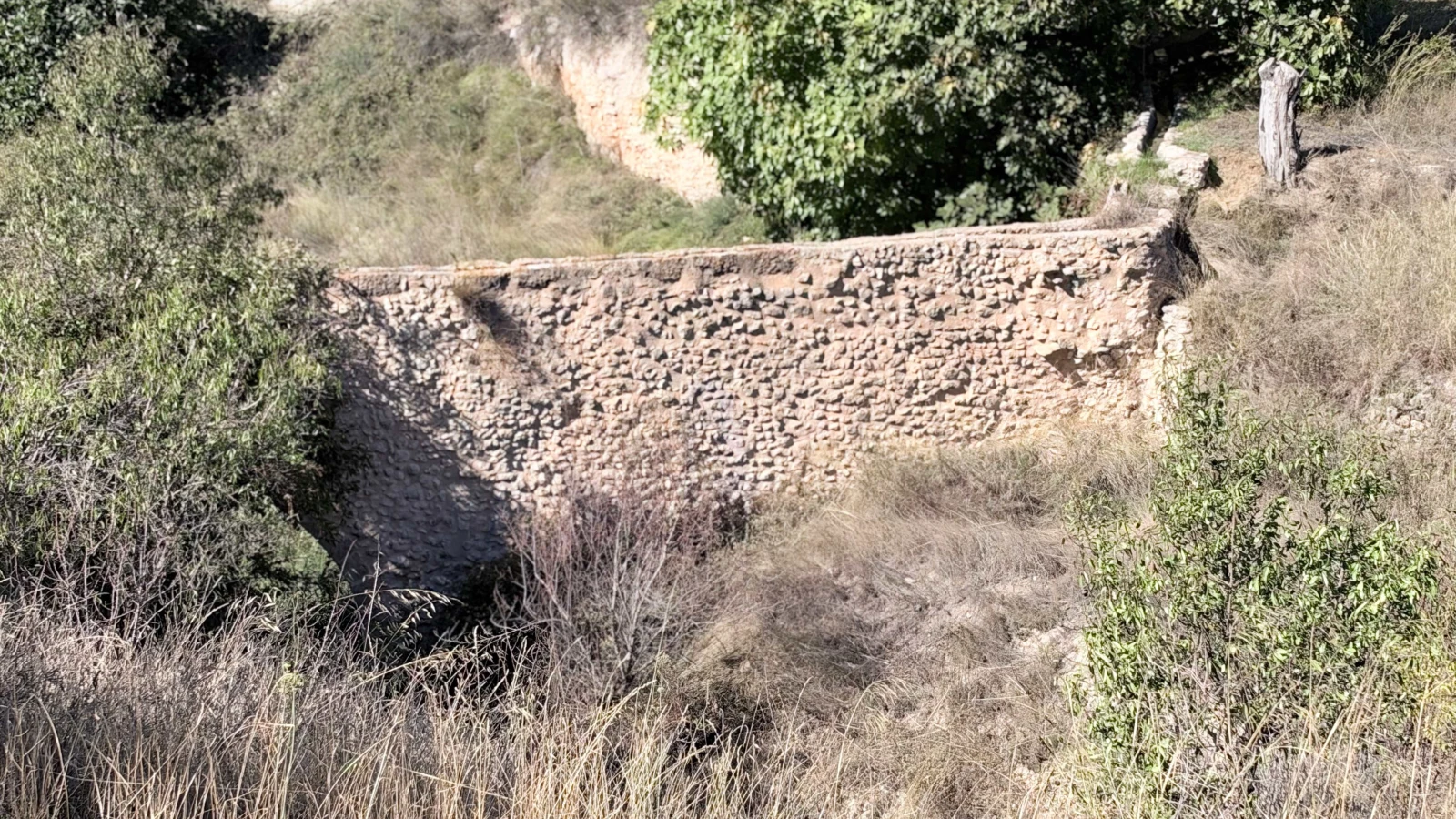
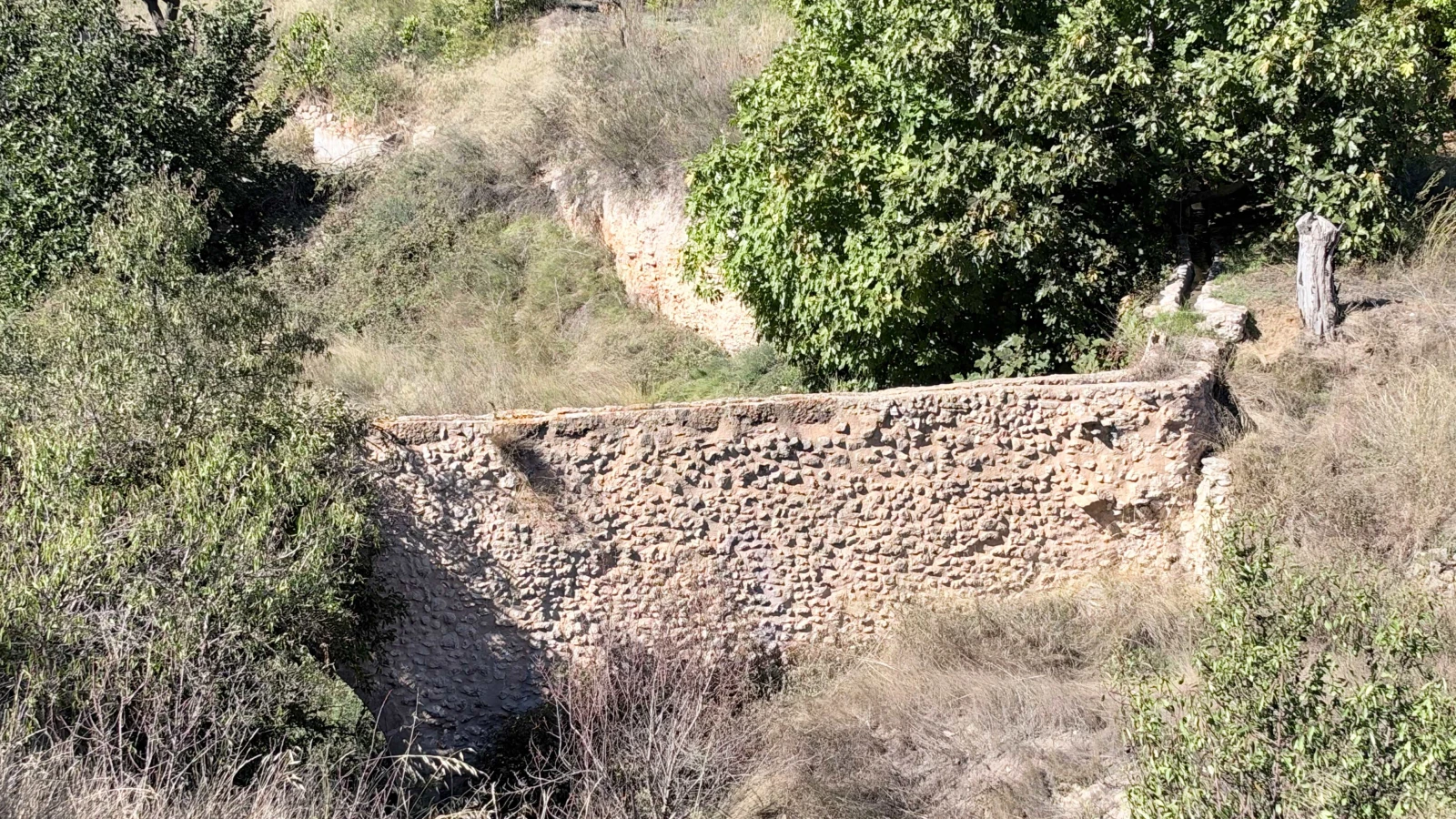
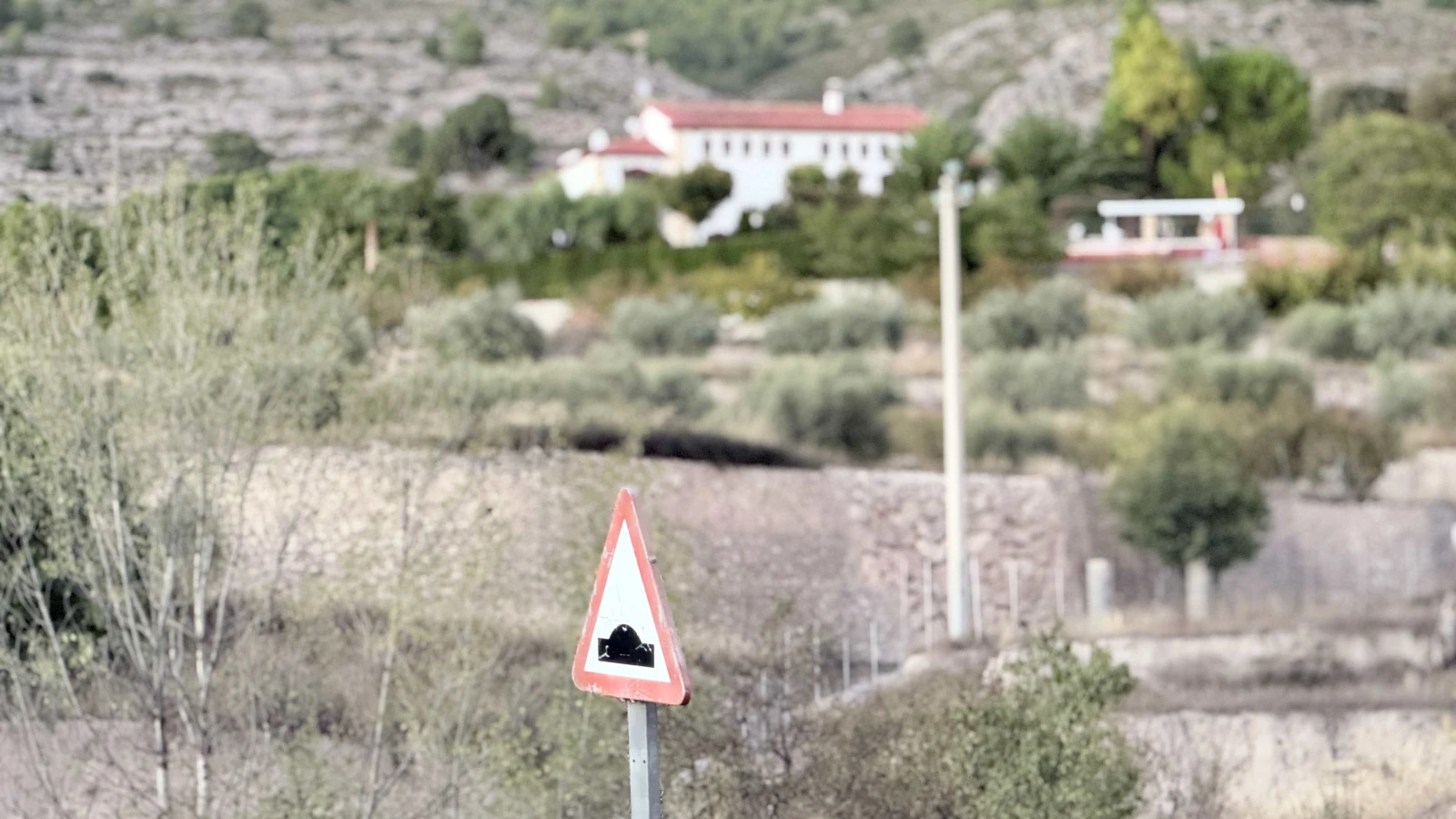
Outside the town center, there are also beautiful natural landscapes, including the Barranco de los Molinos and the foothills of the Font Roja Natural Park. Those who enjoy hiking will certainly find more variety there than on a pure city stroll.
The history of Ibi – how a small place became a toy city
The origins of Ibi go far back. The area was already settled in earlier centuries and developed under changing rulers into a small agriculturally shaped community.
For a long time, people lived off agriculture, craftsmanship, and a now almost forgotten specialty: the production of ice cream.
In the surrounding mountains, snow was collected in winter in so-called Pozos de Nieve, masonry snow wells, and stored for the warm months. This snow formed an important basis for ice production.
But the decisive change came at the beginning of the 20th century.
The Payá family, originally making tinware, began producing toys around 1905. From small beginnings, an industry developed that eventually made Ibi known throughout Spain.
Other companies followed, factories emerged, and from the quiet place grew an important center of toy manufacturing.
Generations of children played with things made here in Ibi, probably without ever hearing of the town.
It is a nice thought that a place that can seem so inconspicuous at first glance once played a part in the joy of so many children.
Ibi today – population and economy in the last 20 years
In the past two decades, Ibi has developed economically further without experiencing particularly strong population growth.
In 2005, around 23,100 people lived here. At the beginning of 2025, about 24,500 inhabitants. That corresponds to an increase of about six percent in twenty years.
The economy is still strongly industrial. However, production is no longer limited exclusively to toys.
Today, plastics processing, the manufacture of metal parts, tool and mold making, and various technical suppliers play an important role.
Ibi is thus primarily a place where people live and work, and less a classic tourist destination.
Perhaps that also explains our impression during this visit.
With Zuky and Mandy through the alleys of Ibi
As so often on my excursions, Zuky and Mandy were with me.
For them, it hardly matters whether a place has a famous castle, a centuries-old monastery, or a particularly beautiful old town.
The main thing is that there are new paths, unknown smells, and enough opportunities to explore the surroundings extensively.
And so we wandered together through the streets of Ibi, stopped here and there, looked around, and then moved on.
It was by no means a bad visit. Just not one that inspired me to want to come back soon.
I have learned on my travels that you don’t have to sugarcoat every place.
Spain has so many wonderful towns and villages that it is natural to like some more than others.
And sometimes even this recognition is a gain.
My conclusion: Is a visit to Ibi worthwhile?
I would not recommend Ibi as an independent day trip. But as a short stopover, definitely.
Those traveling, for example, from Tibi to Castalla or exploring the small places in the Alicante hinterland can easily make a detour to Ibi.
A leisurely walk through the town center, a look at the church and the small alleys – for that, a short stop is worthwhile.
Those interested in historic toys or the history of Spanish industry will certainly find an additional reason to visit the toy museum.
For a whole day, I would personally prefer other places in the area.
And that is not meant disparagingly.
Not every place has to be a tourist gem. Some towns are simply what they are: places where people go about their daily lives, work, raise their families, and spend their lives.
Ibi belongs to these places for me.
I am glad to have been there and just as glad that we continued our journey afterward.
Because that is also part of traveling: not only discovering the places that excite you, but occasionally also those that show you how diverse and varied this country is.
And if one day we drive through Ibi again, Zuky and Mandy will certainly not mind stretching their legs once more.
Rainer Schmitz
Frequently Asked Questions about Ibi (FAQ)
Where is Ibi located in Spain?
Ibi is located in the province of Alicante in the Valencian Community, about 34 kilometers from the city of Alicante, inland from the Costa Blanca.
What is Ibi known for?
Ibi is considered one of the most traditional toy towns in Spain. Toys have been manufactured here since the beginning of the 20th century. The town also has a long tradition in ice cream production.
What sights are there in Ibi?
The most well-known include the Museo Valenciano del Juguete, the Church of the Transfiguration, the Plaza de la Iglesia, the historic district Les Costeretes, and the Ermita de Santa Lucía.
Is a day trip to Ibi worthwhile?
I would not plan a whole day for an ordinary city stroll. However, Ibi is interesting as a stopover. Those who want to visit the museums or hike in the surrounding nature can, of course, spend more time there.
Can Ibi be visited with dogs?
Yes. The streets and alleys of the town center can be explored well with dogs. The town is quite suitable for a leisurely walk.
Which places are near Ibi?
Ibi can be particularly well combined with Castalla, Onil, and Tibi. Alcoy is also not far away and offers further opportunities for excursions.






Comments