Castalla – sometimes you have to visit a place several times to really get to know it
There are places you have been to often and yet surprisingly know little about. You drive through, maybe stop for a snack, and at some point believe you know the place. Until one day you bring more time and realize how mistaken you were.
That was how it was for me with Castalla, a small town inland in the province of Alicante, at the foot of the mountains that make this area of the Costa Blanca so varied.
I had been here several times before. But always only briefly, and somehow the opportunity to really get to know Castalla never arose.
This time was going to be different.
And I can already say: It was worth it.
Discovering Castalla – a surprisingly versatile town
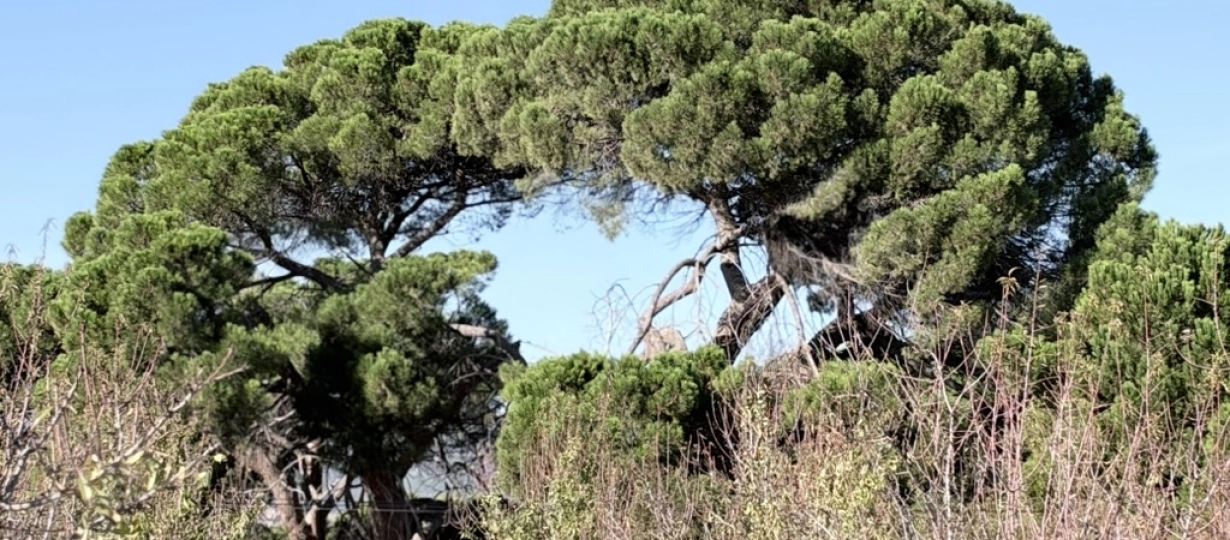
Castalla lies on the extensive plateau of the Foia de Castalla, surrounded by mountains and a landscape that feels very different from the lively coastal towns of the Costa Blanca.
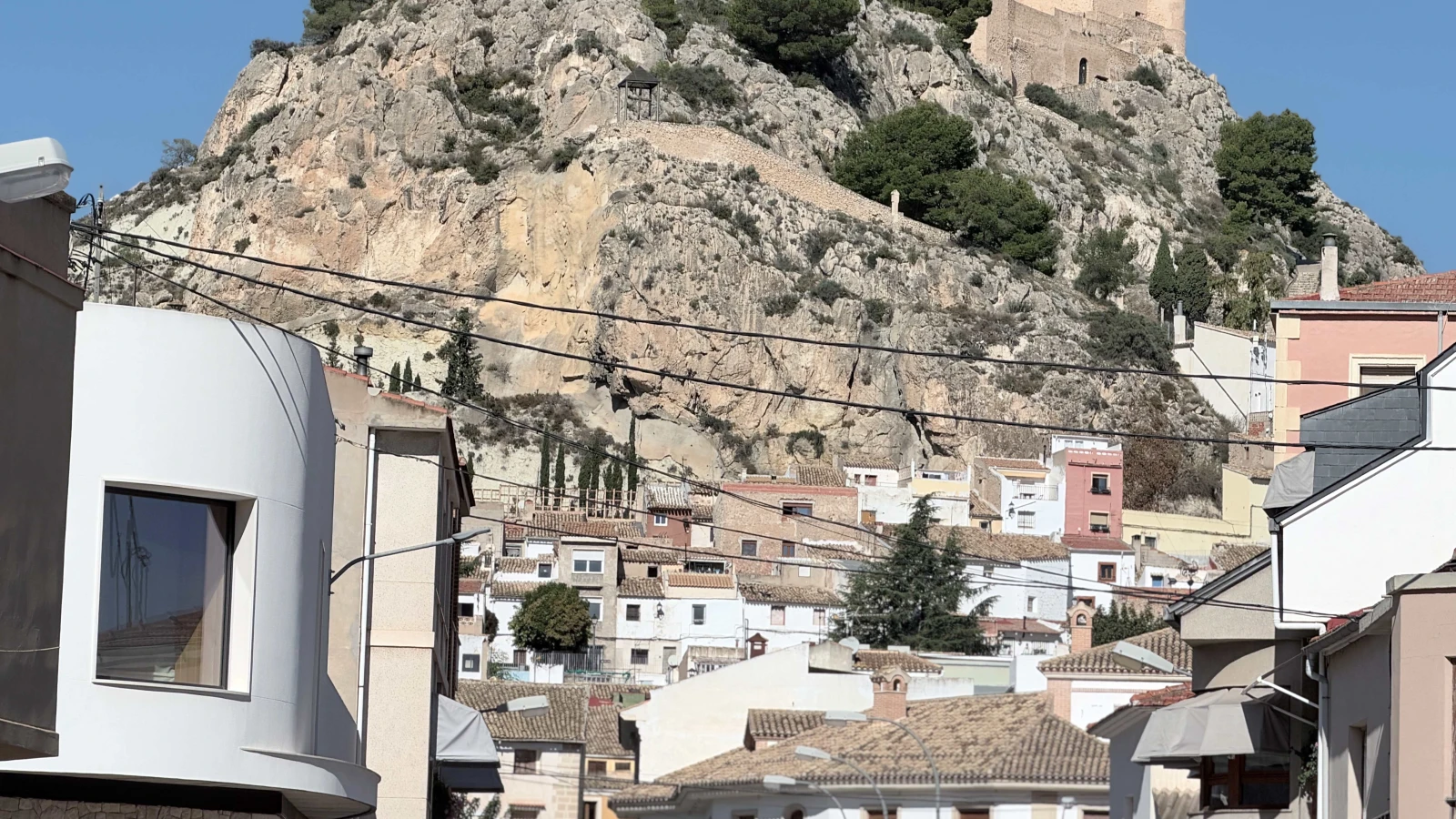
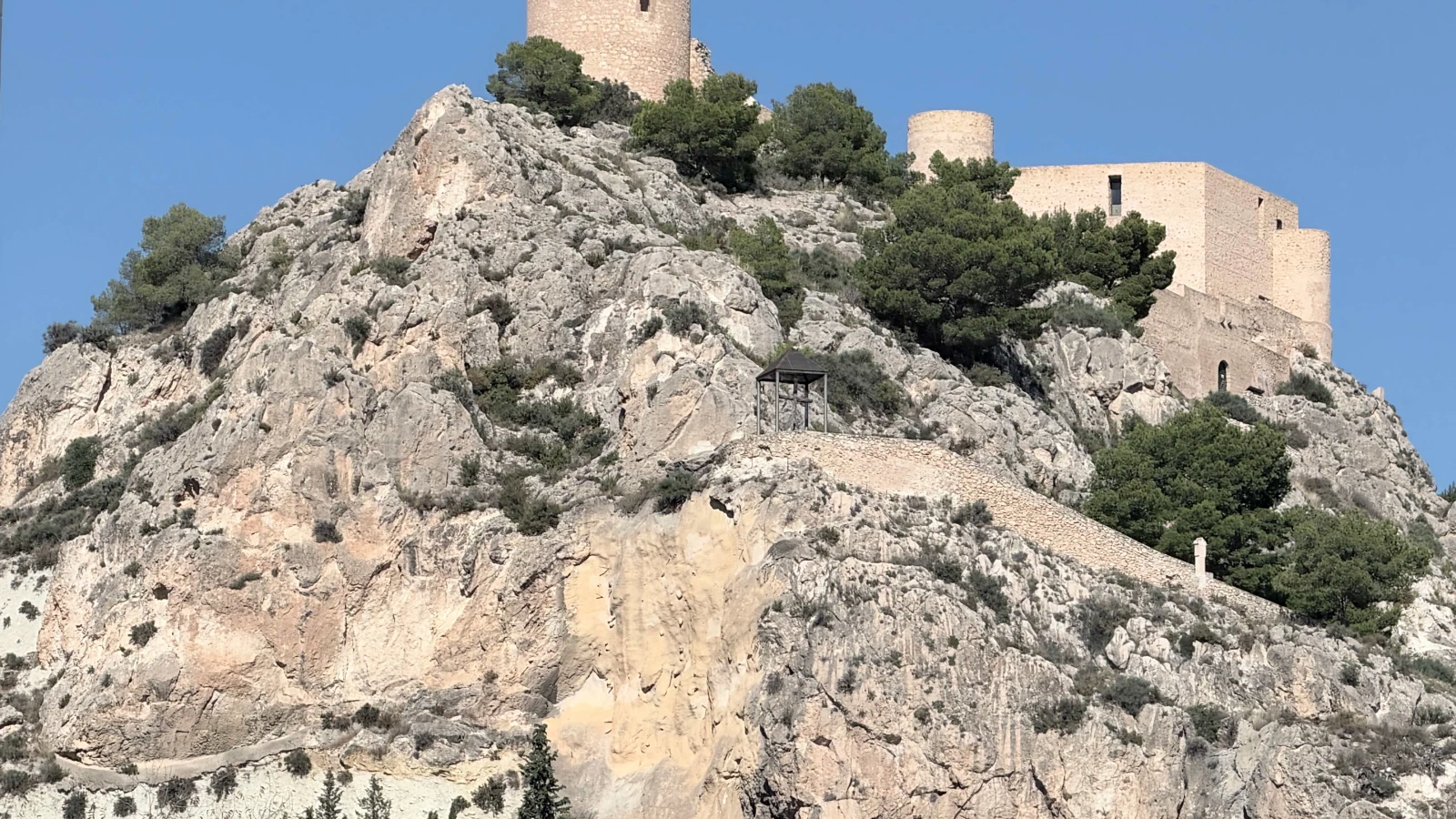
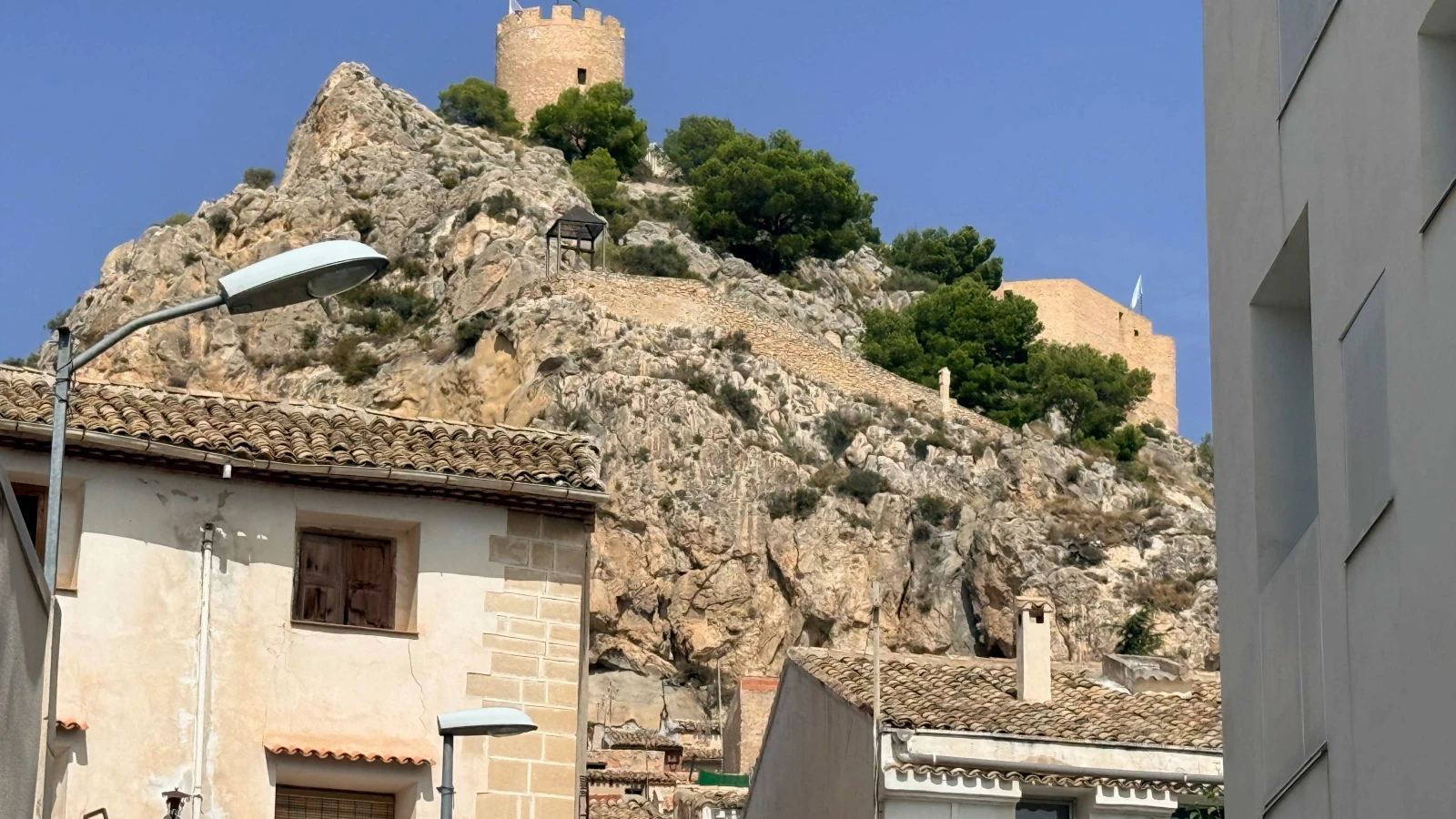
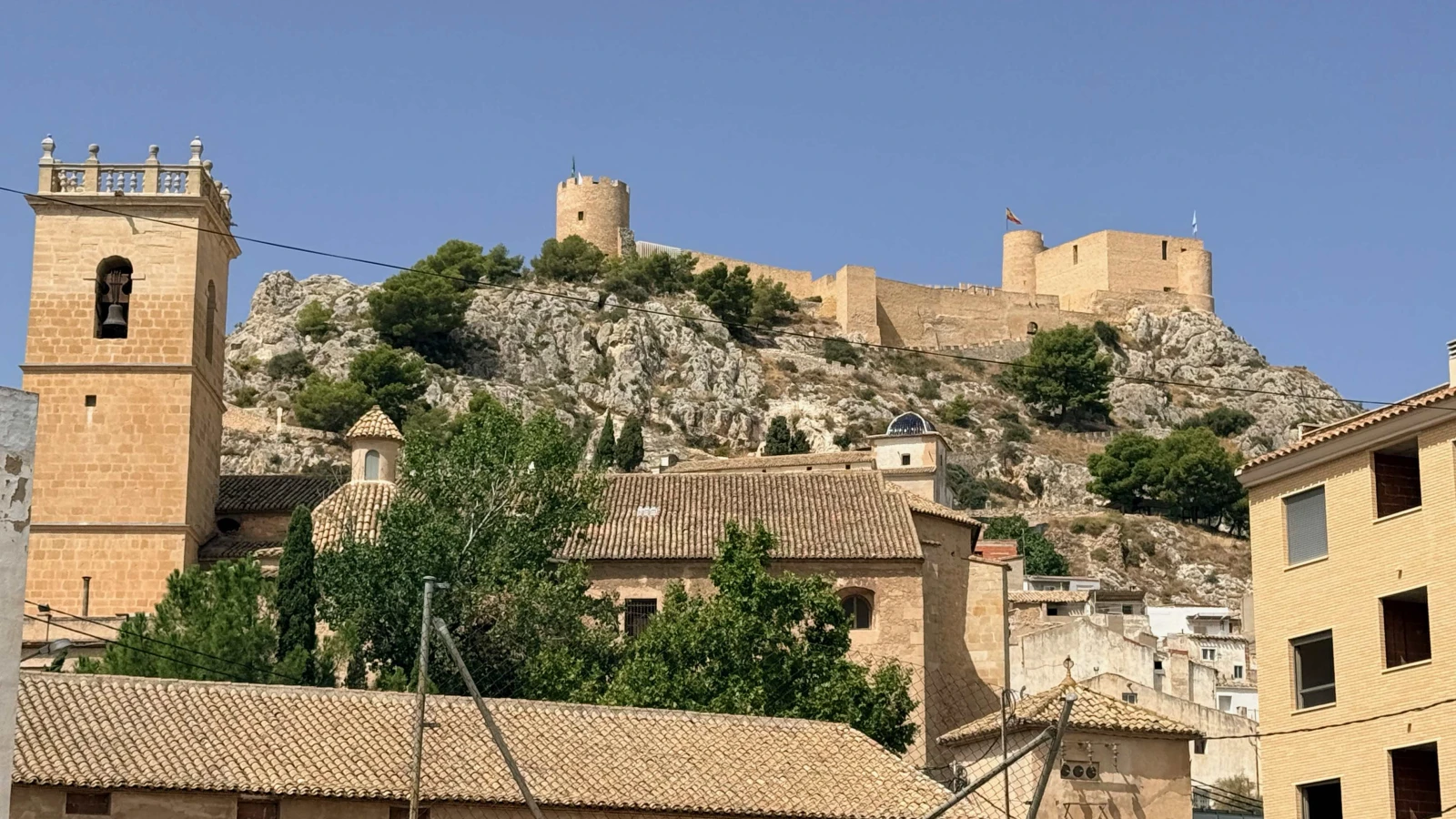
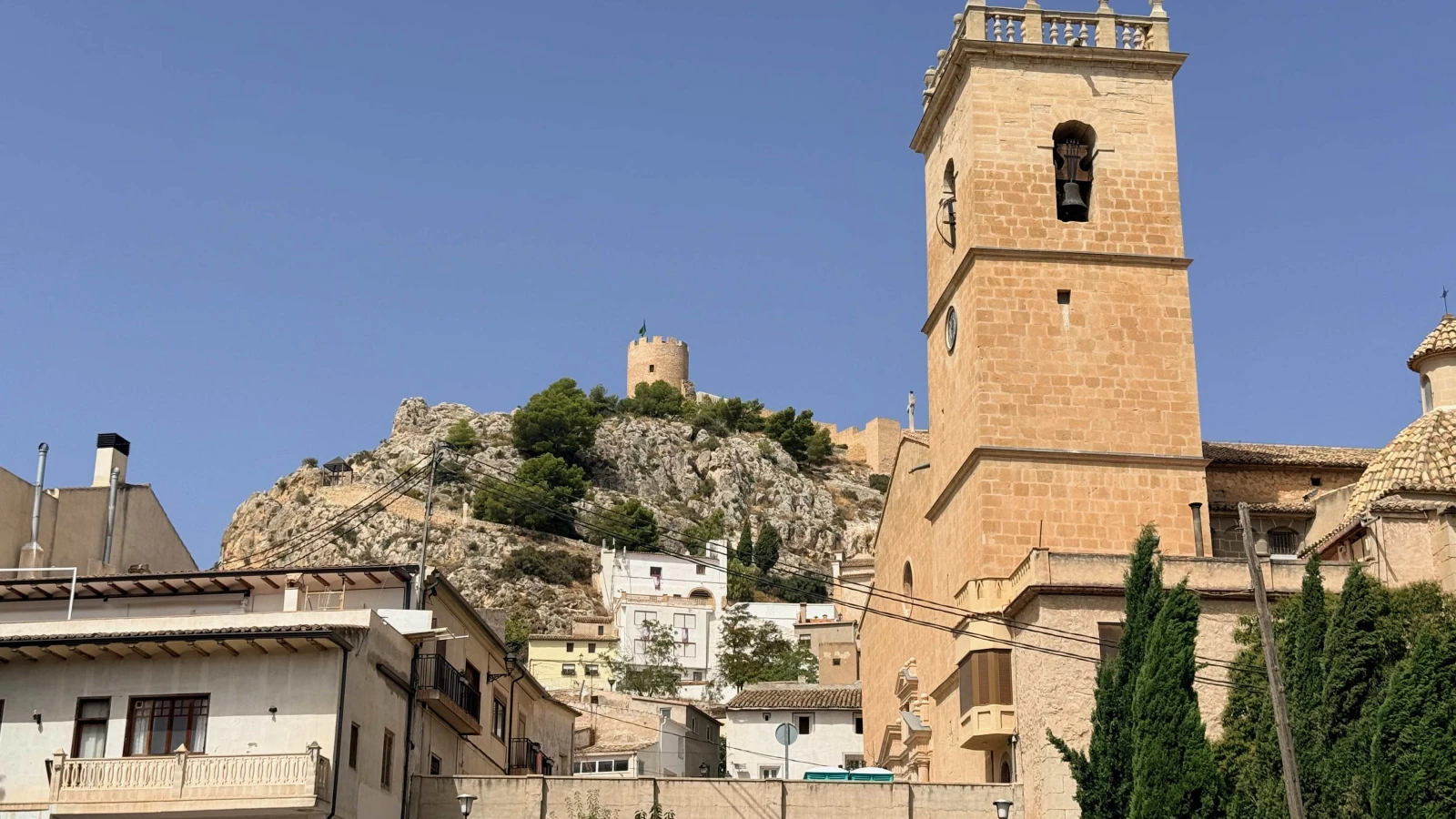
Already from afar, the mighty castle stands out, towering high above the rooftops of the town. It is the symbol of Castalla and reminds of a time when this area was shaped by castles, border disputes, and changing rulers.
The Castillo de Castalla is one of the significant medieval fortresses in the Alicante hinterland. Its oldest parts date back to the Moorish period of the 11th century. Later, the complex was expanded until it took its current form with the Palau, the weapons courtyard, and the Torre Grossa.
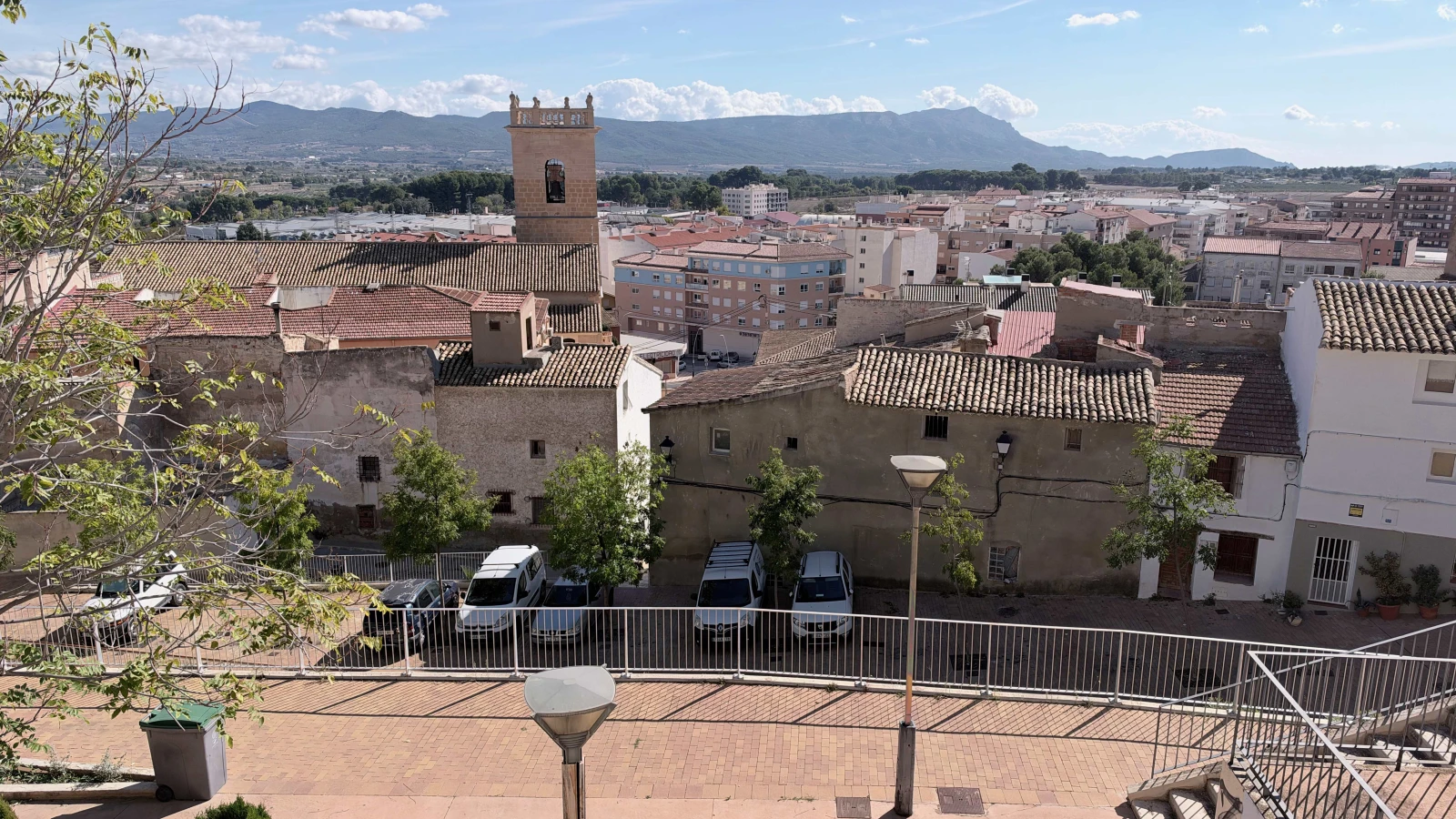
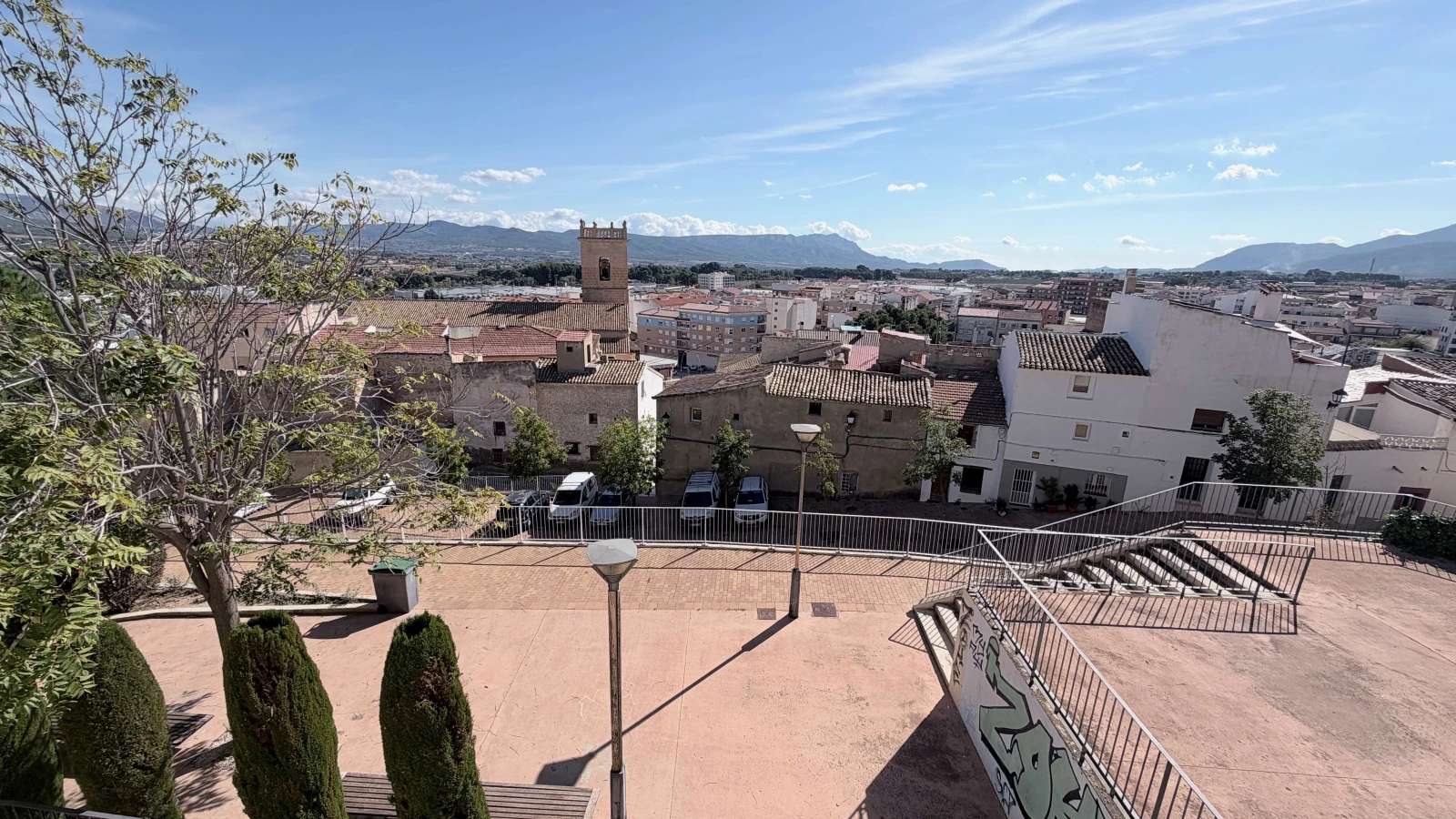
From up there, there is a wonderful view over the town and the surrounding mountains.
But Castalla has more to offer than its castle.
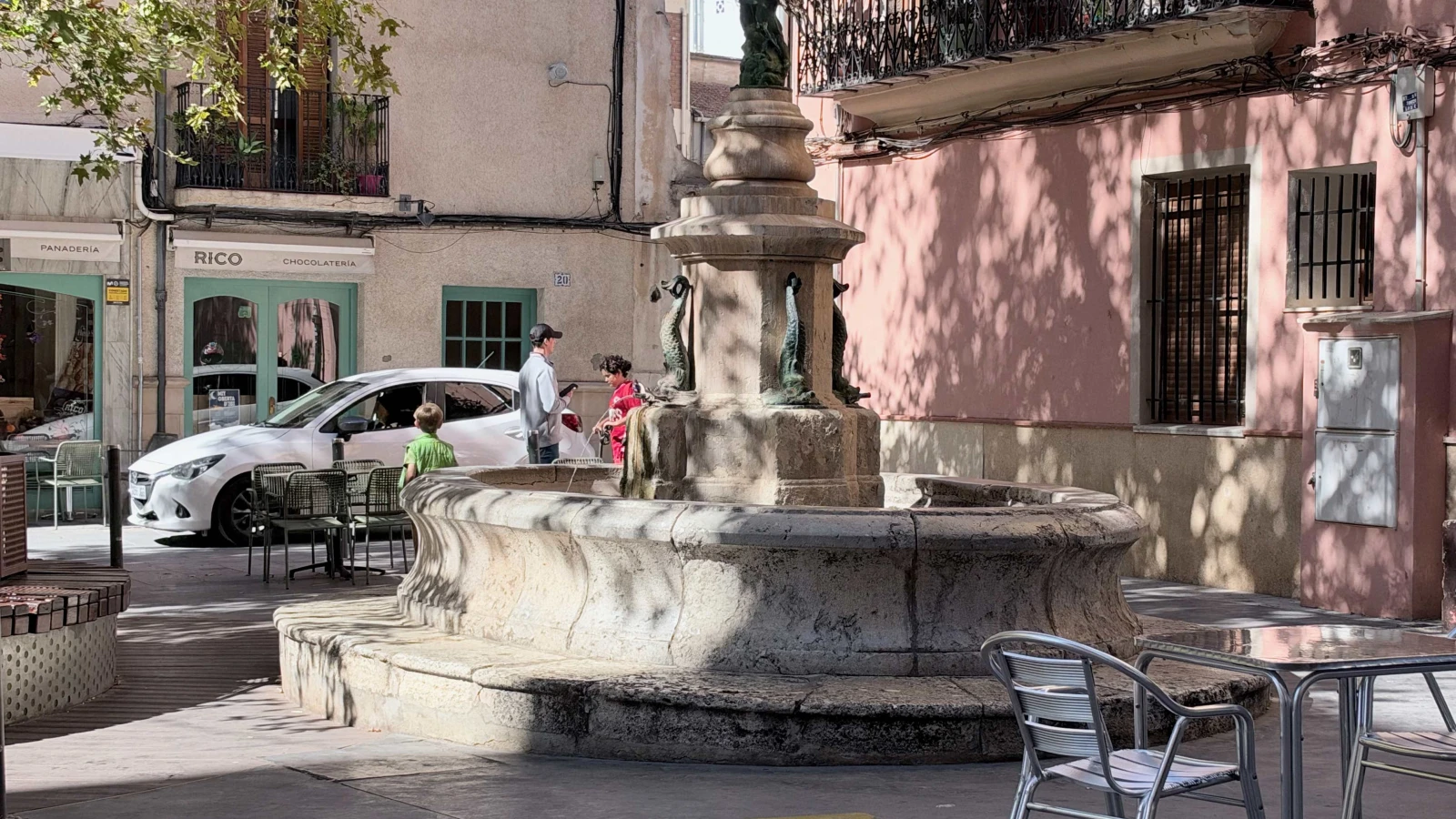
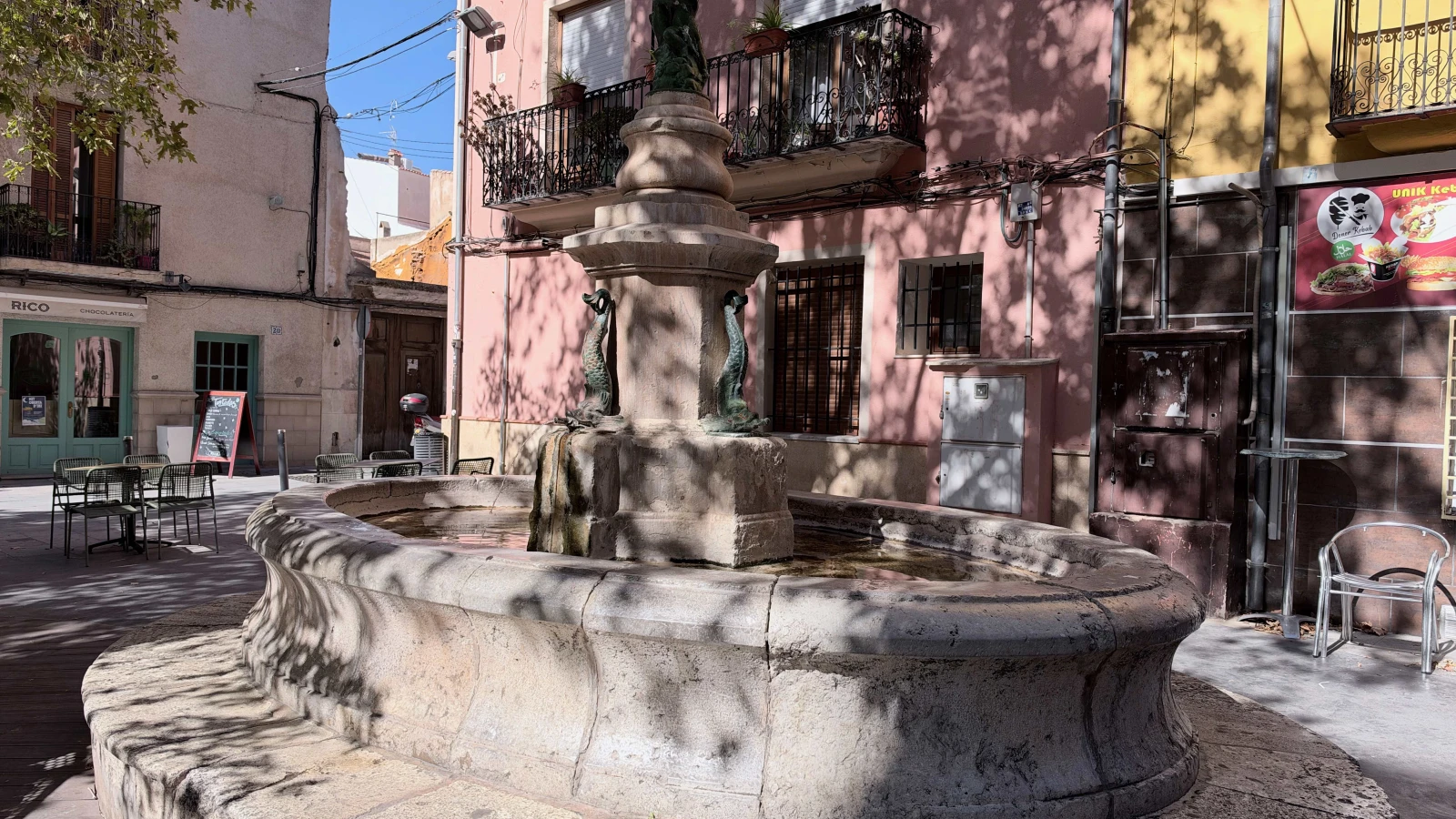
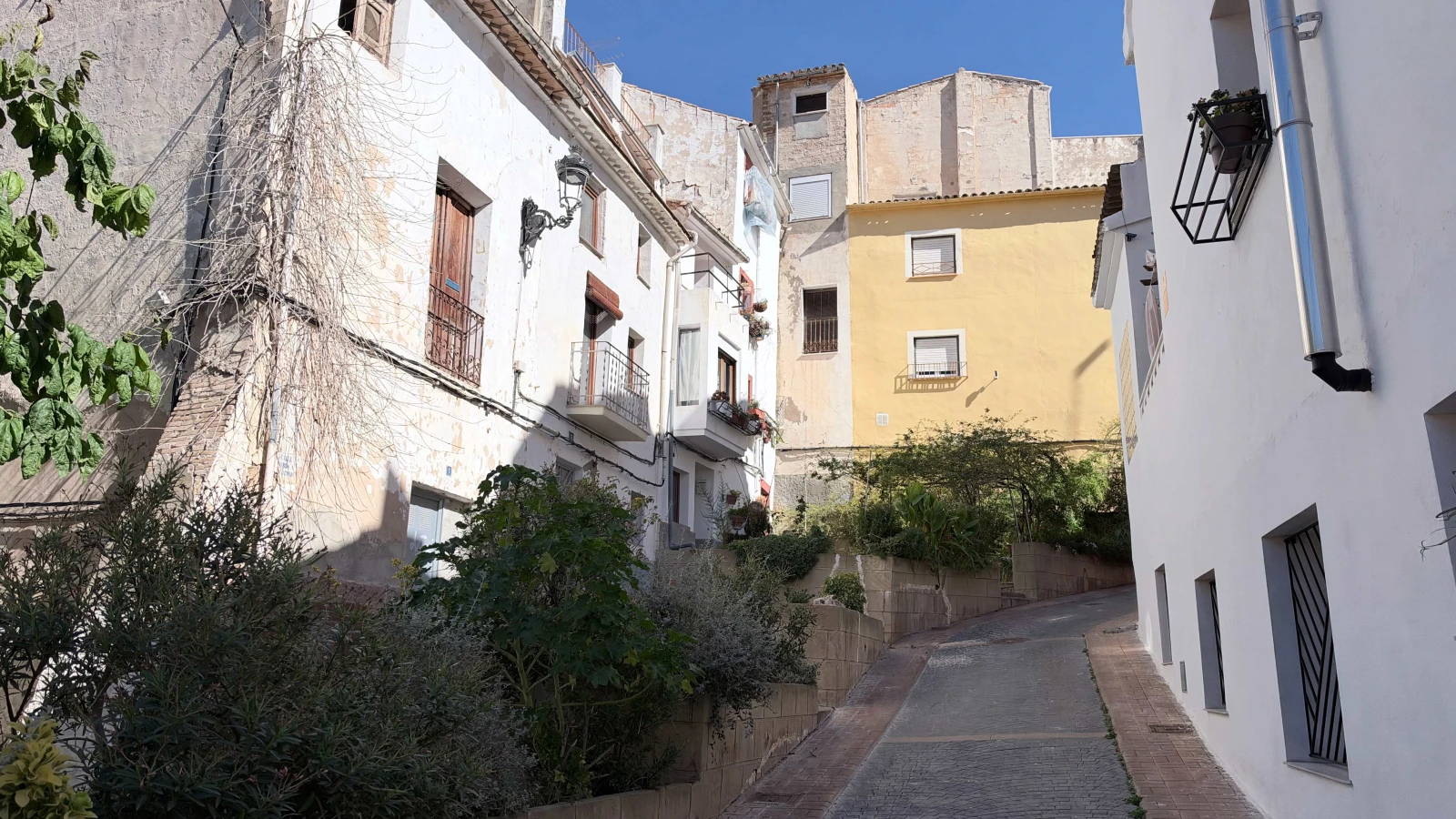
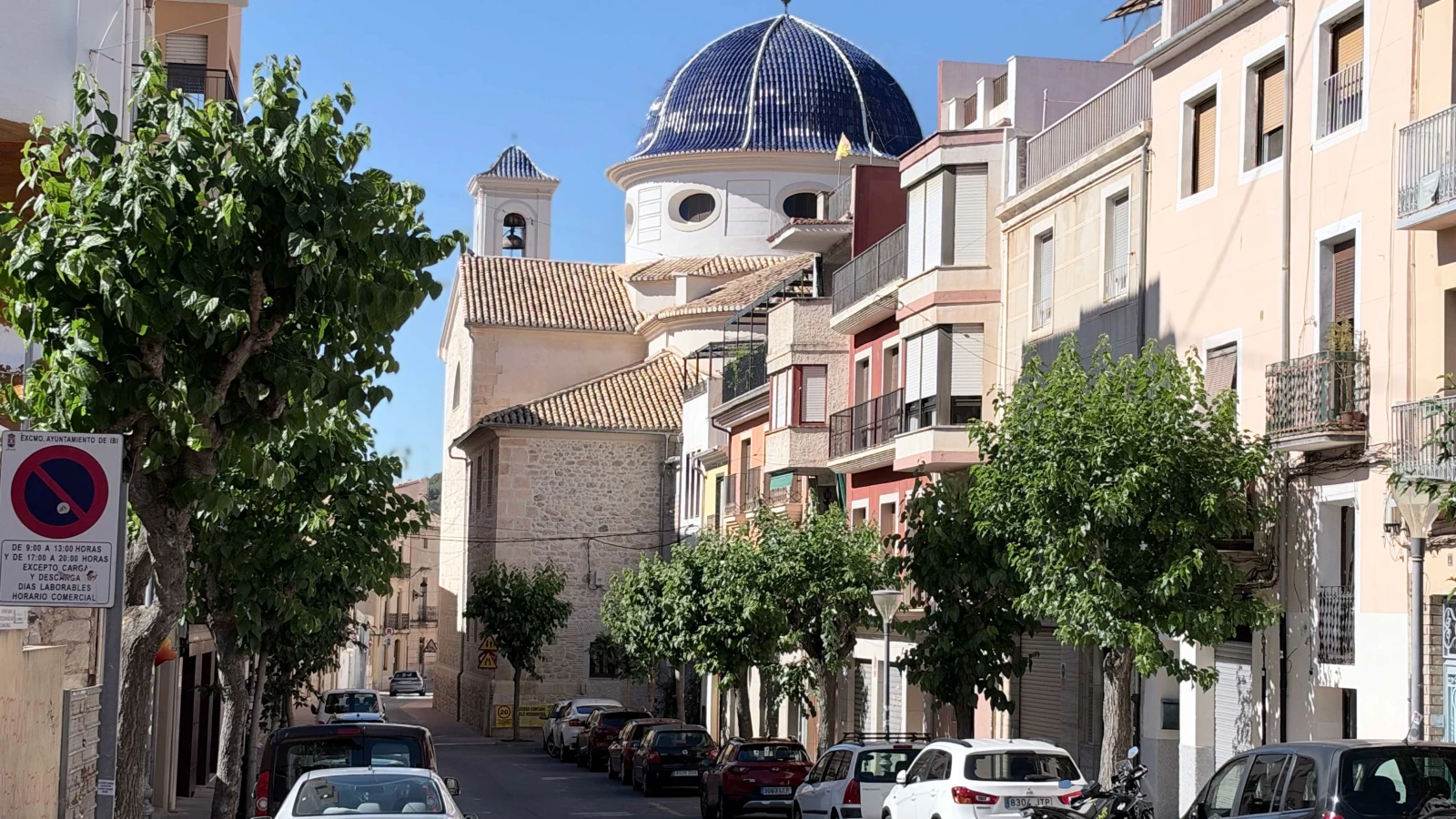
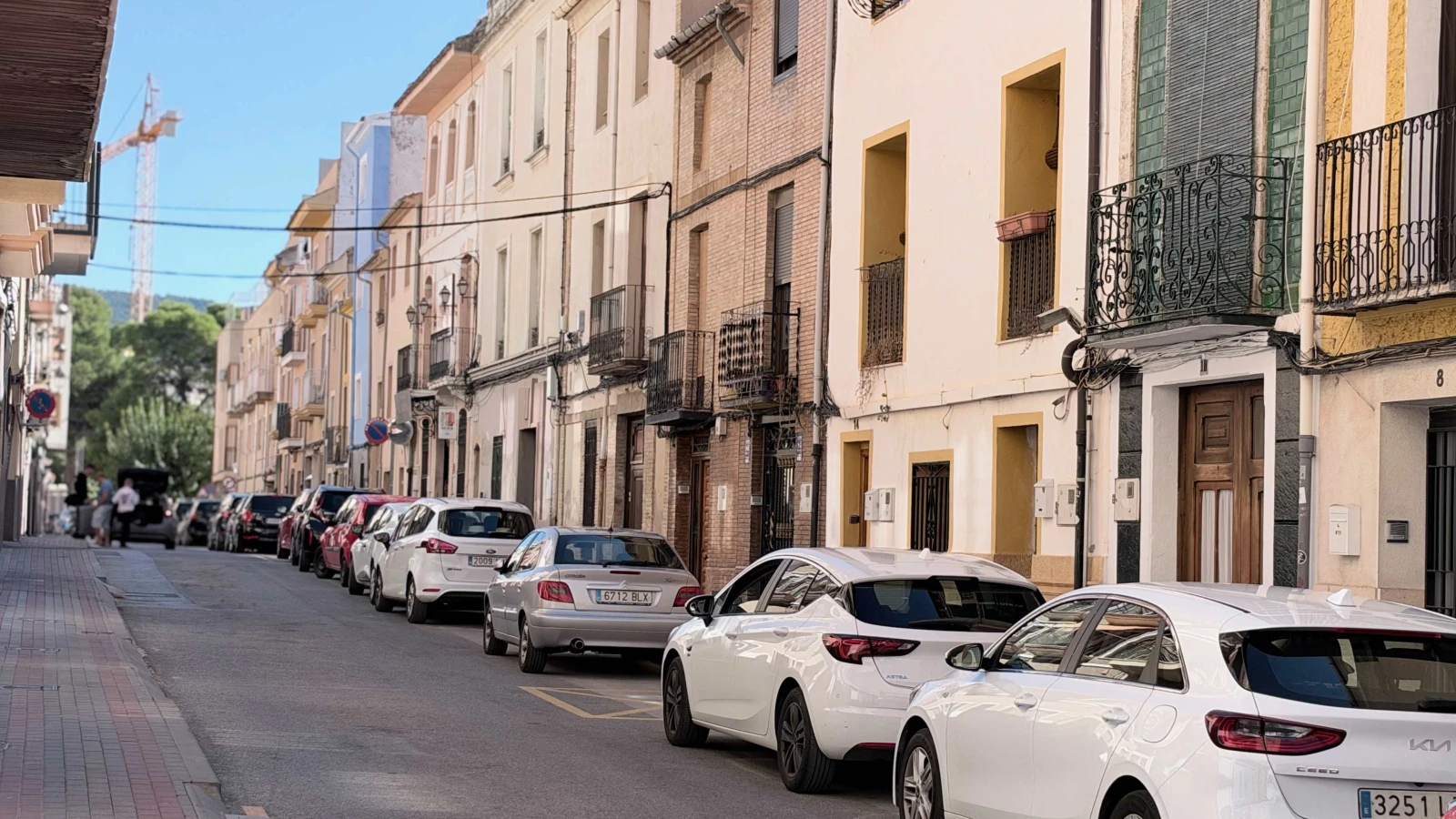
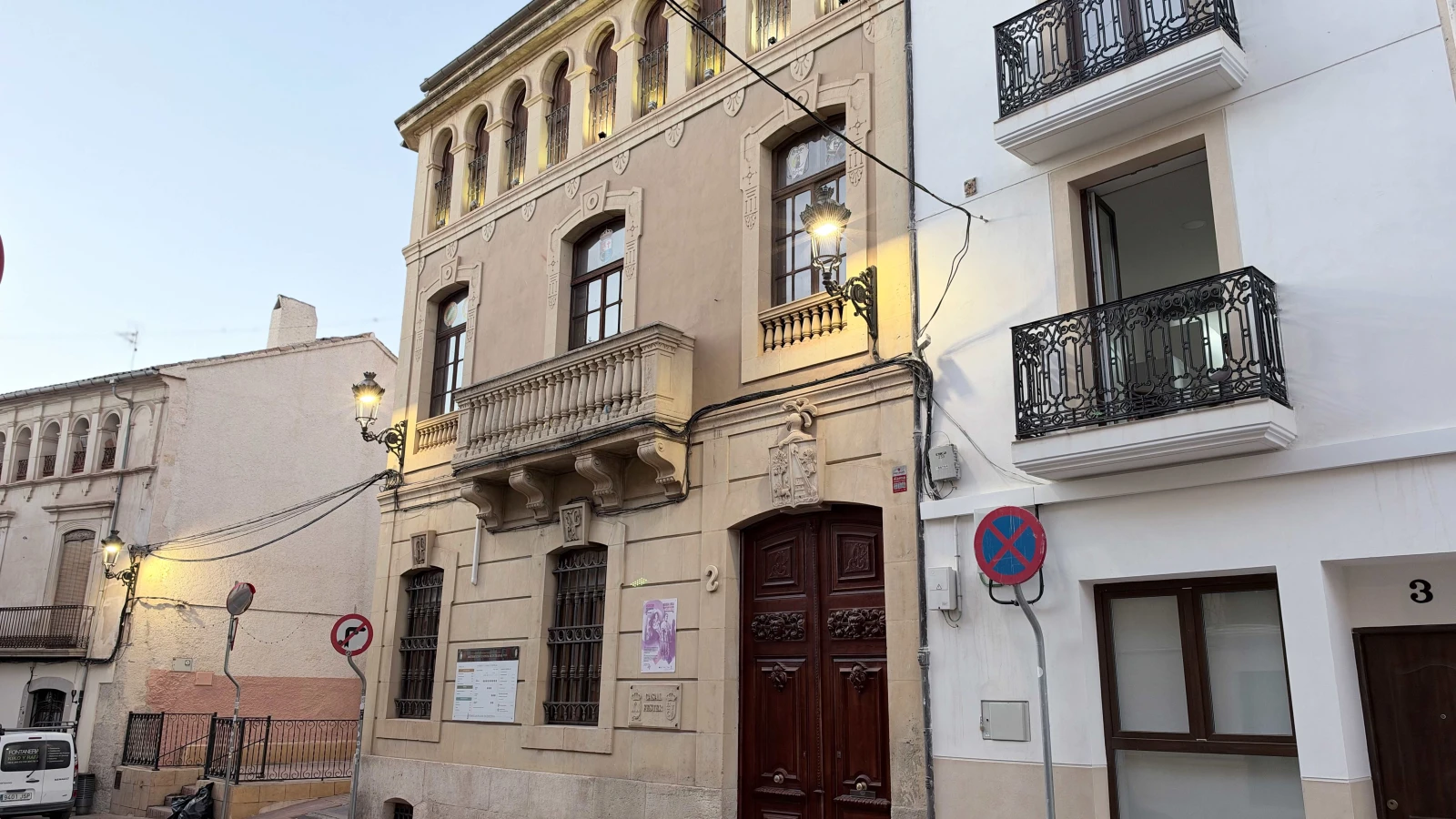
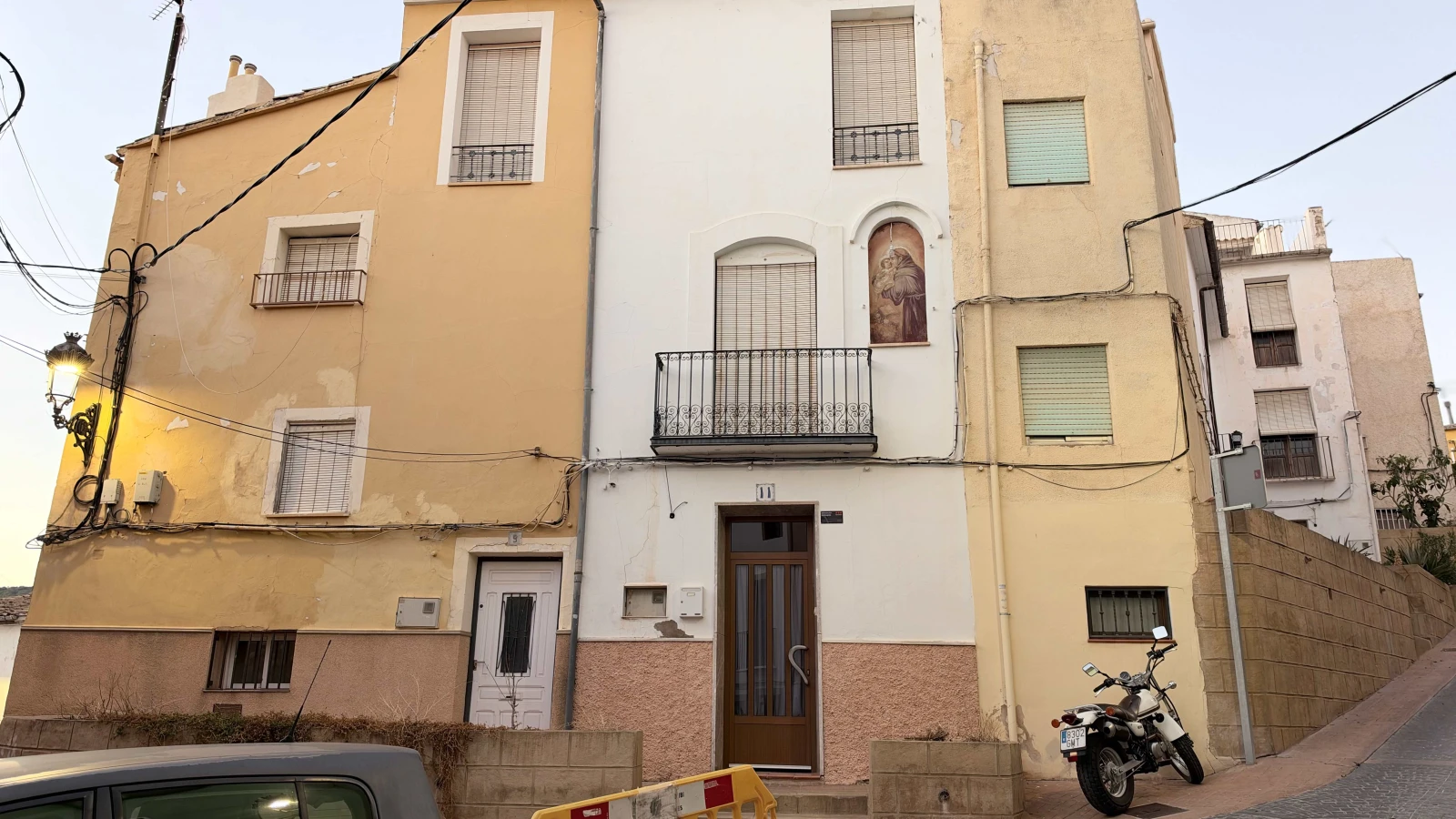
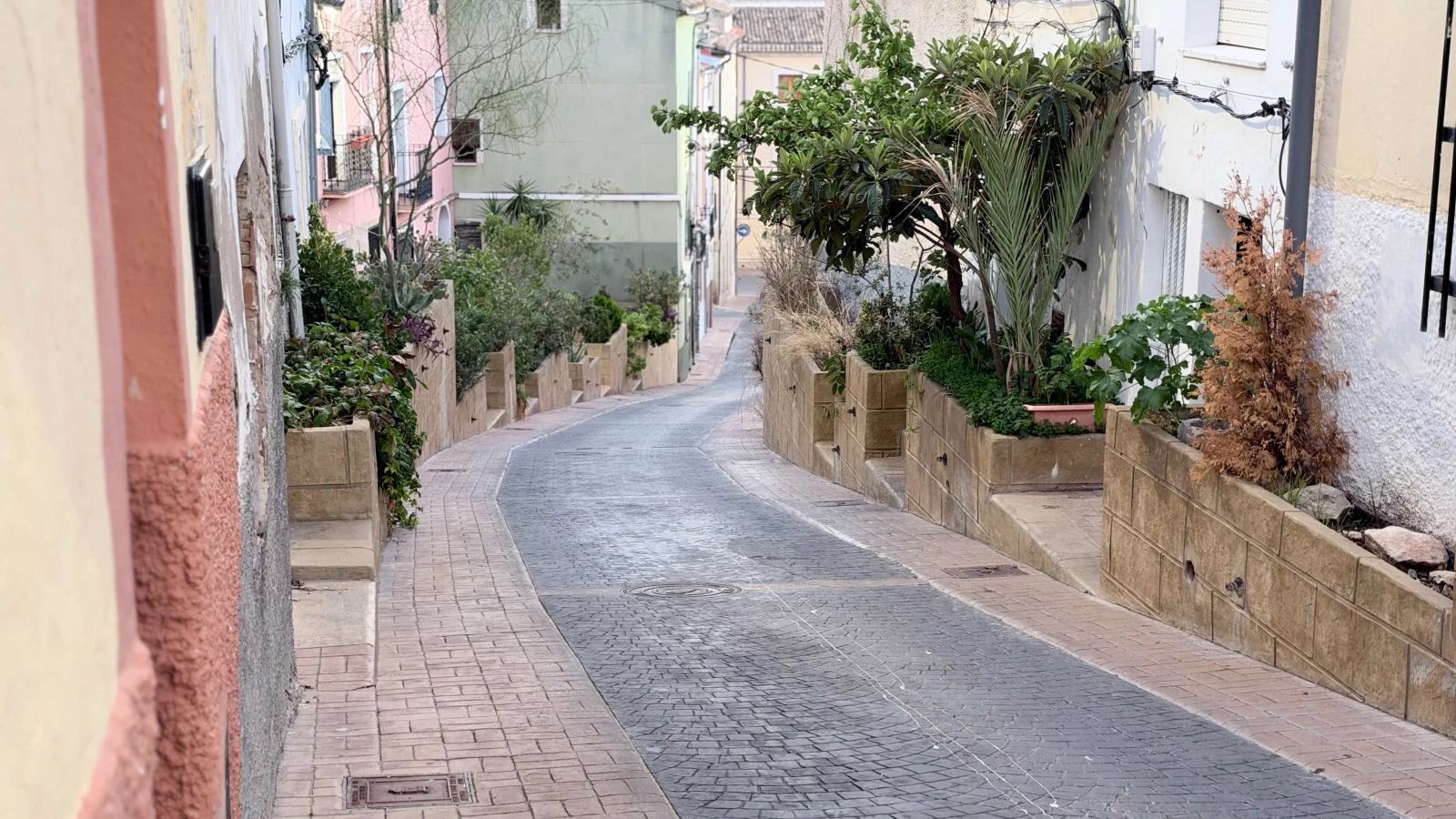
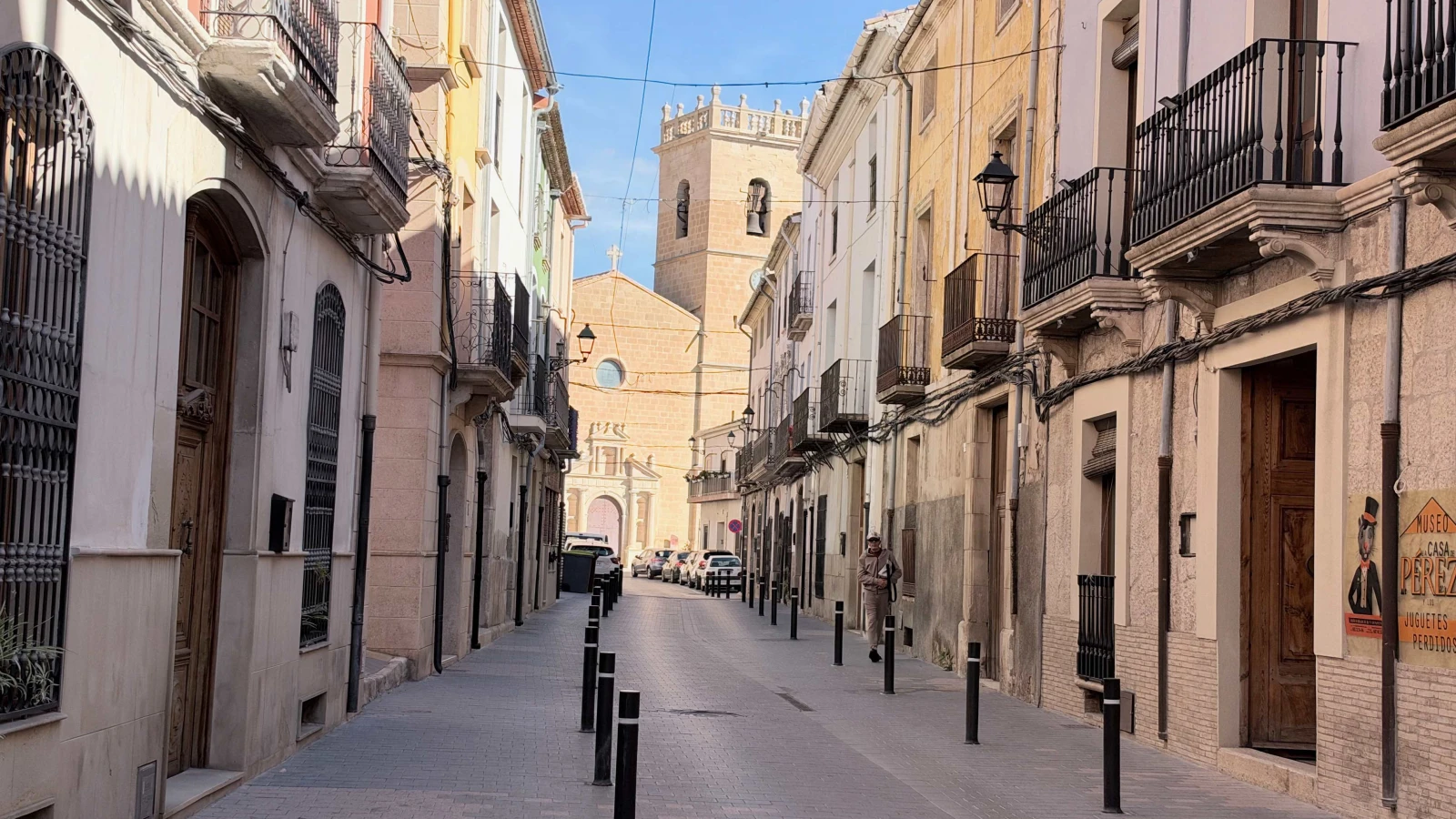
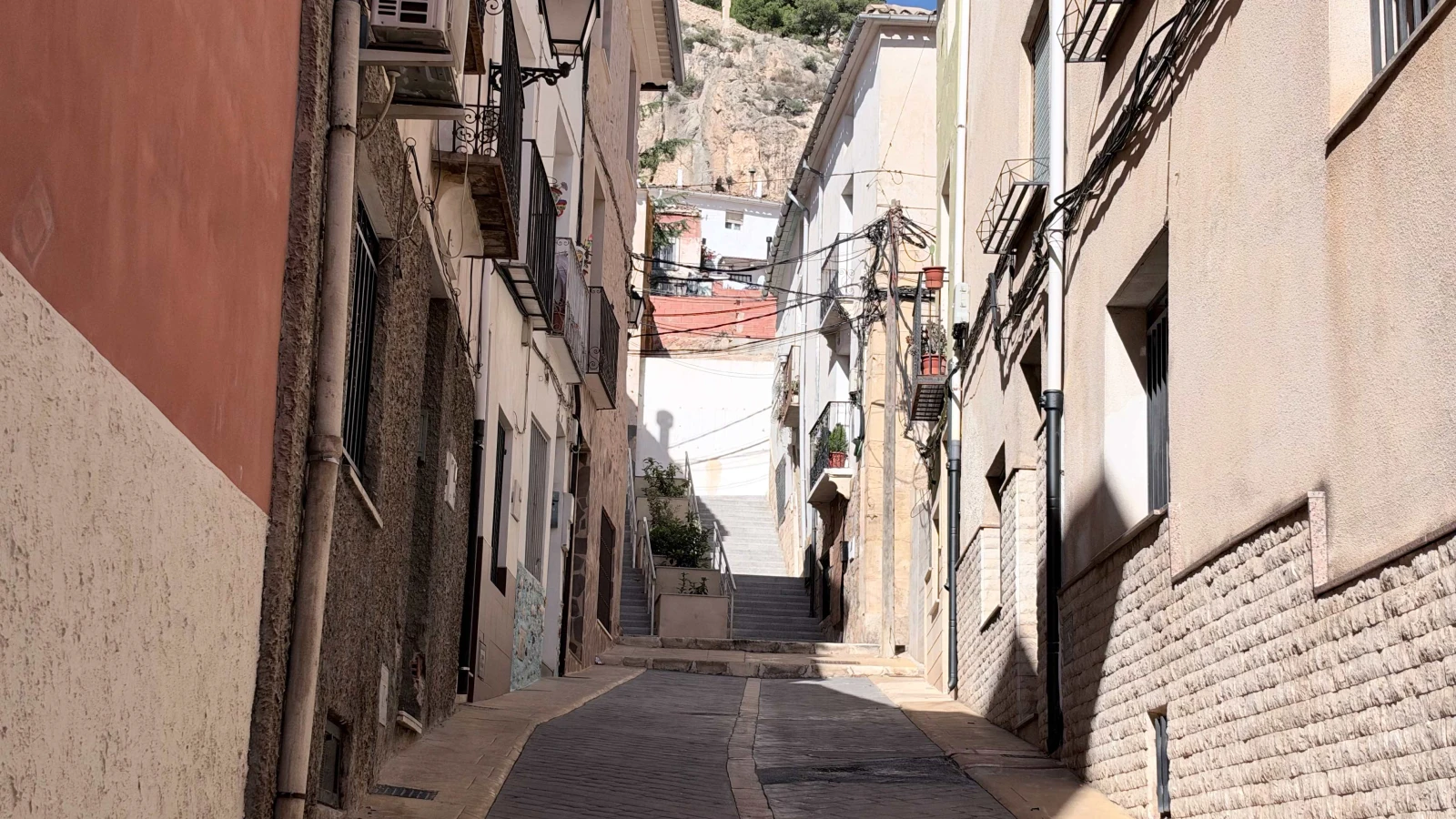
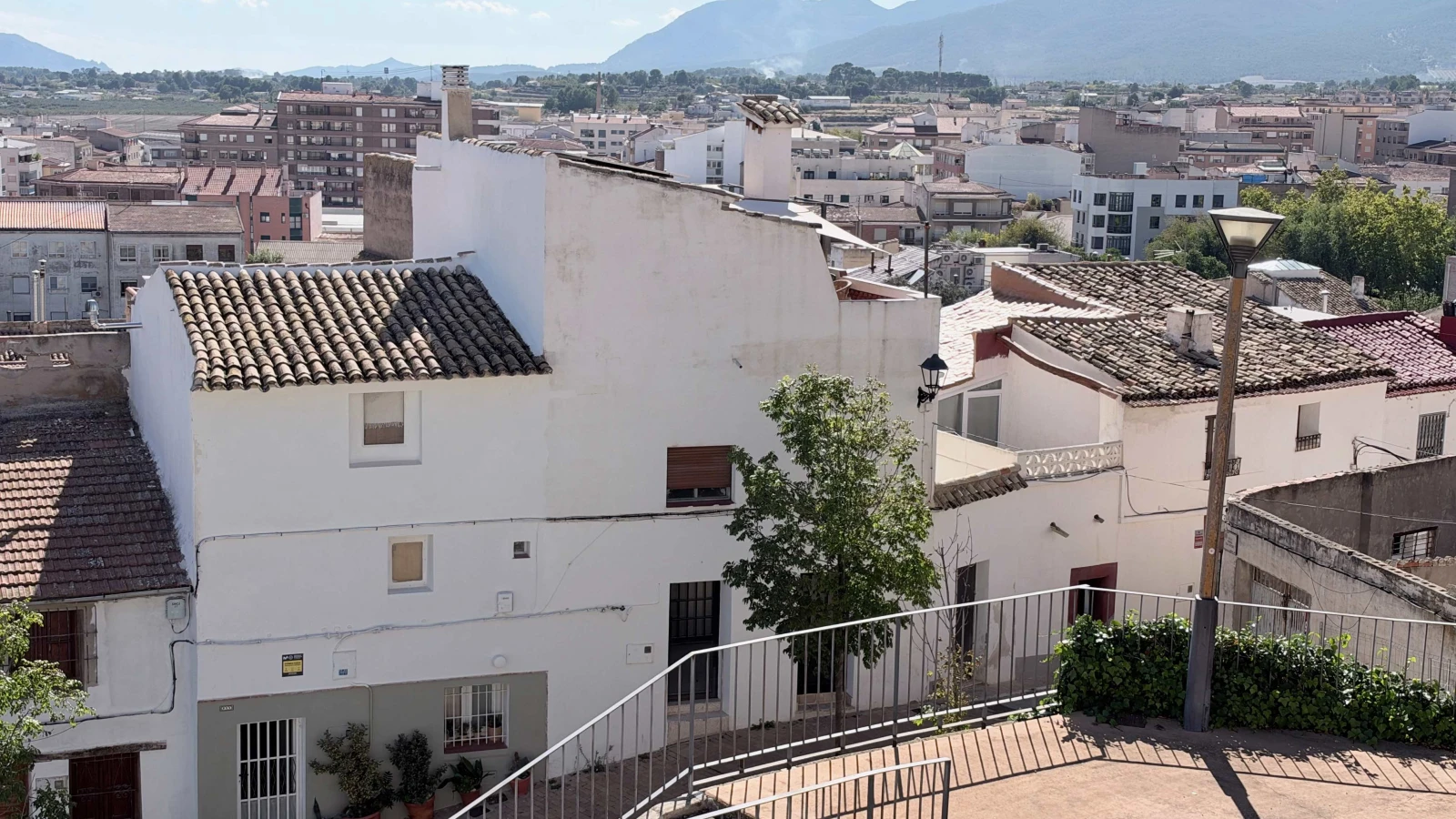
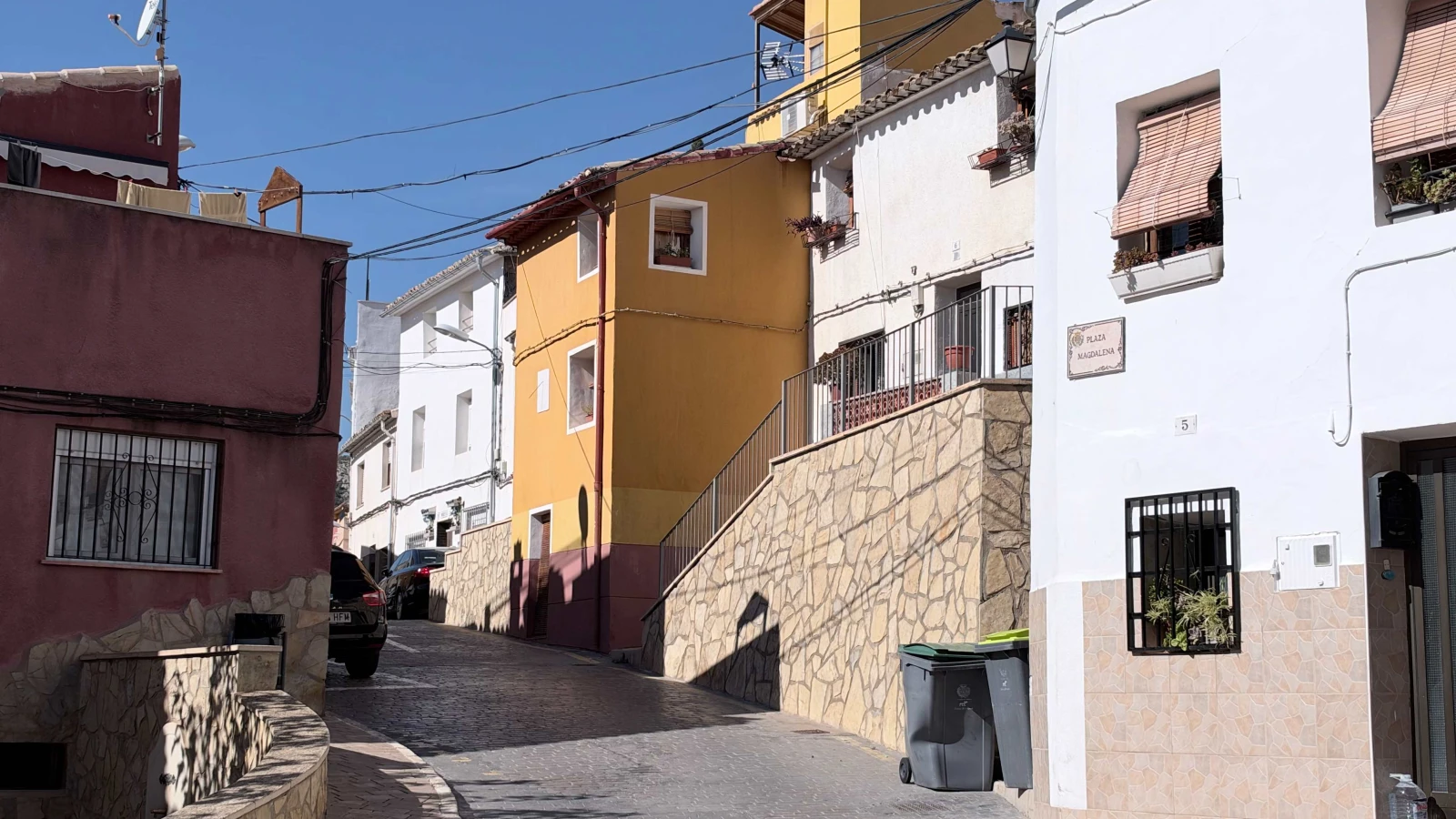
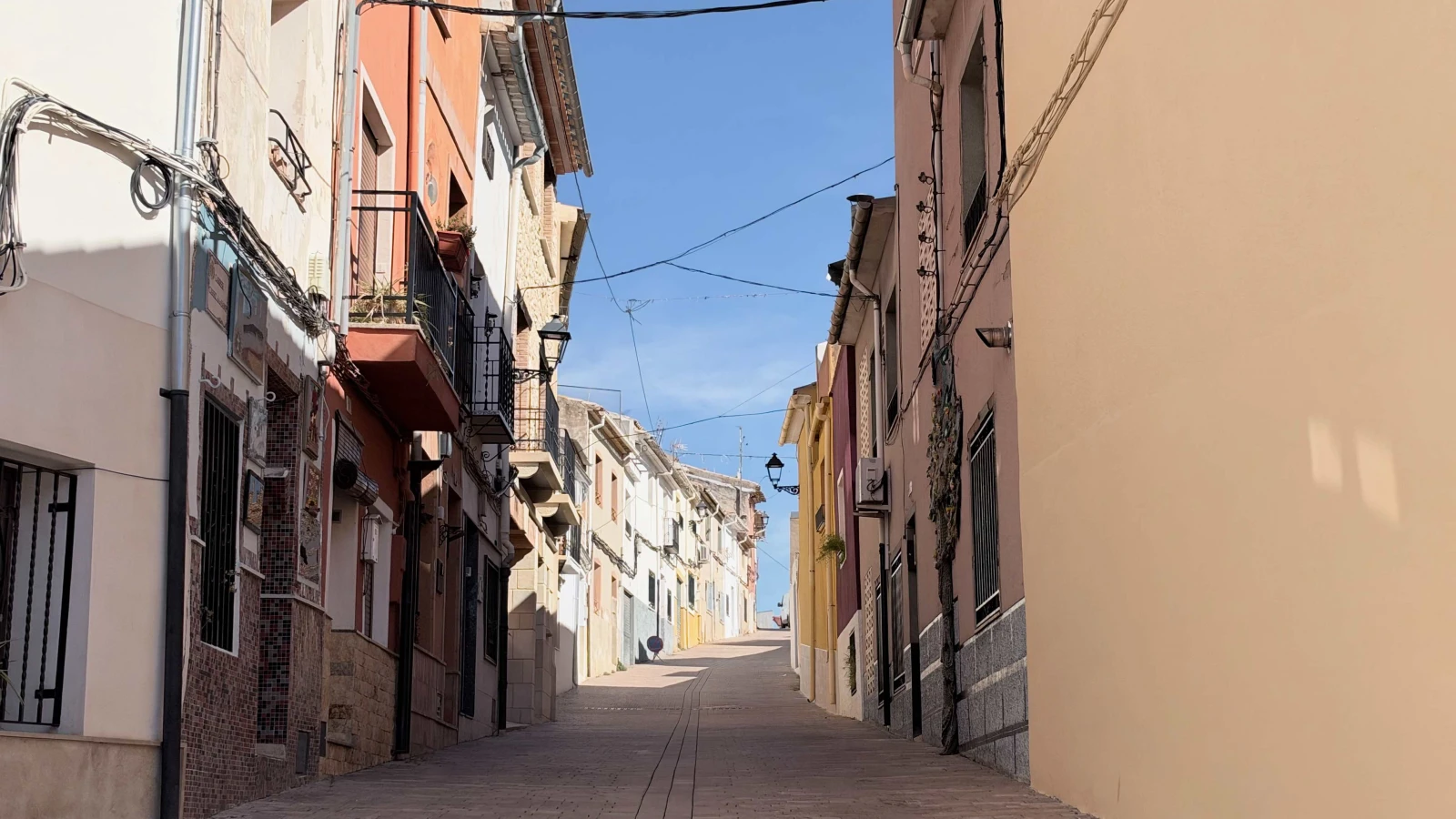
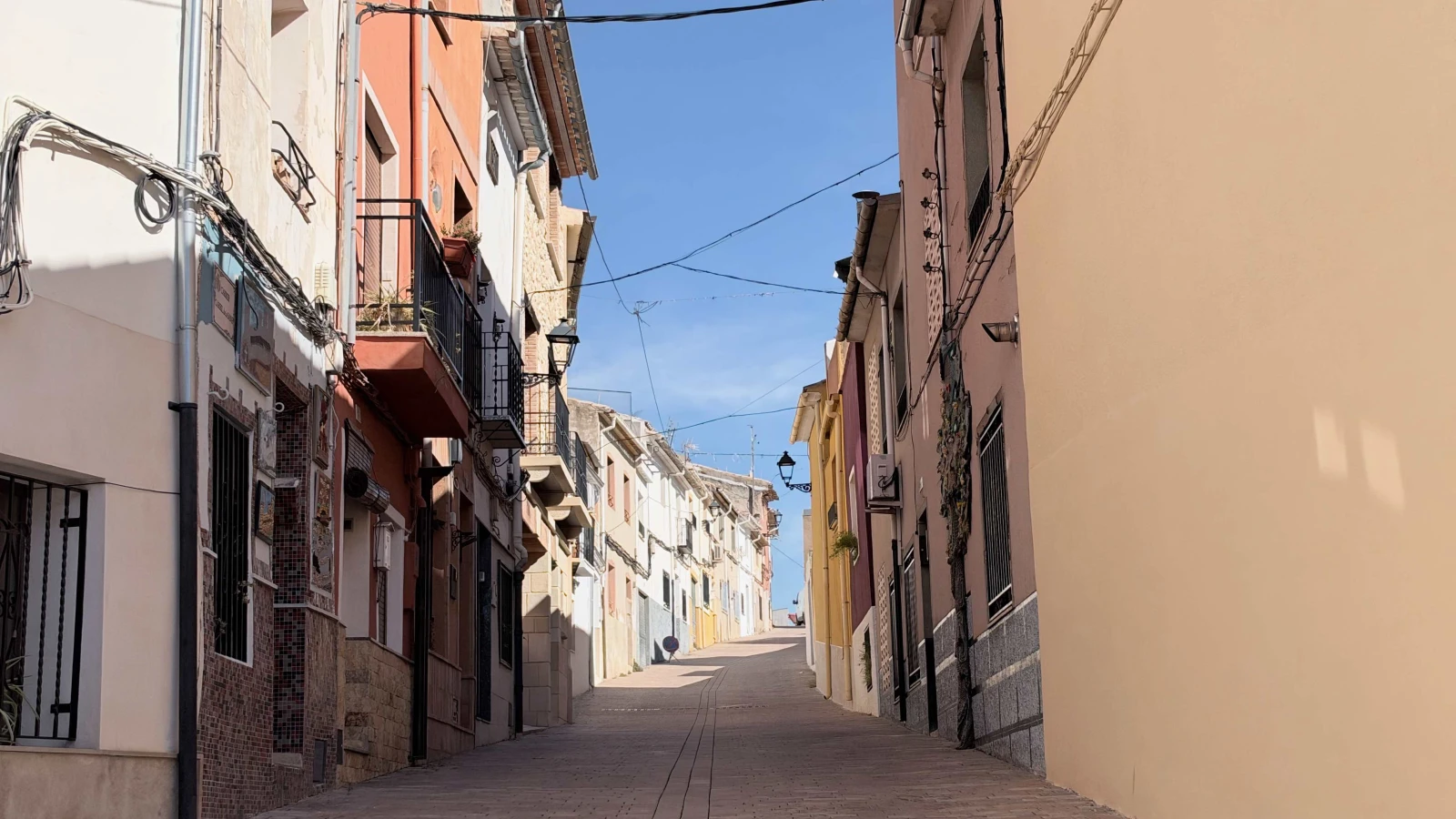
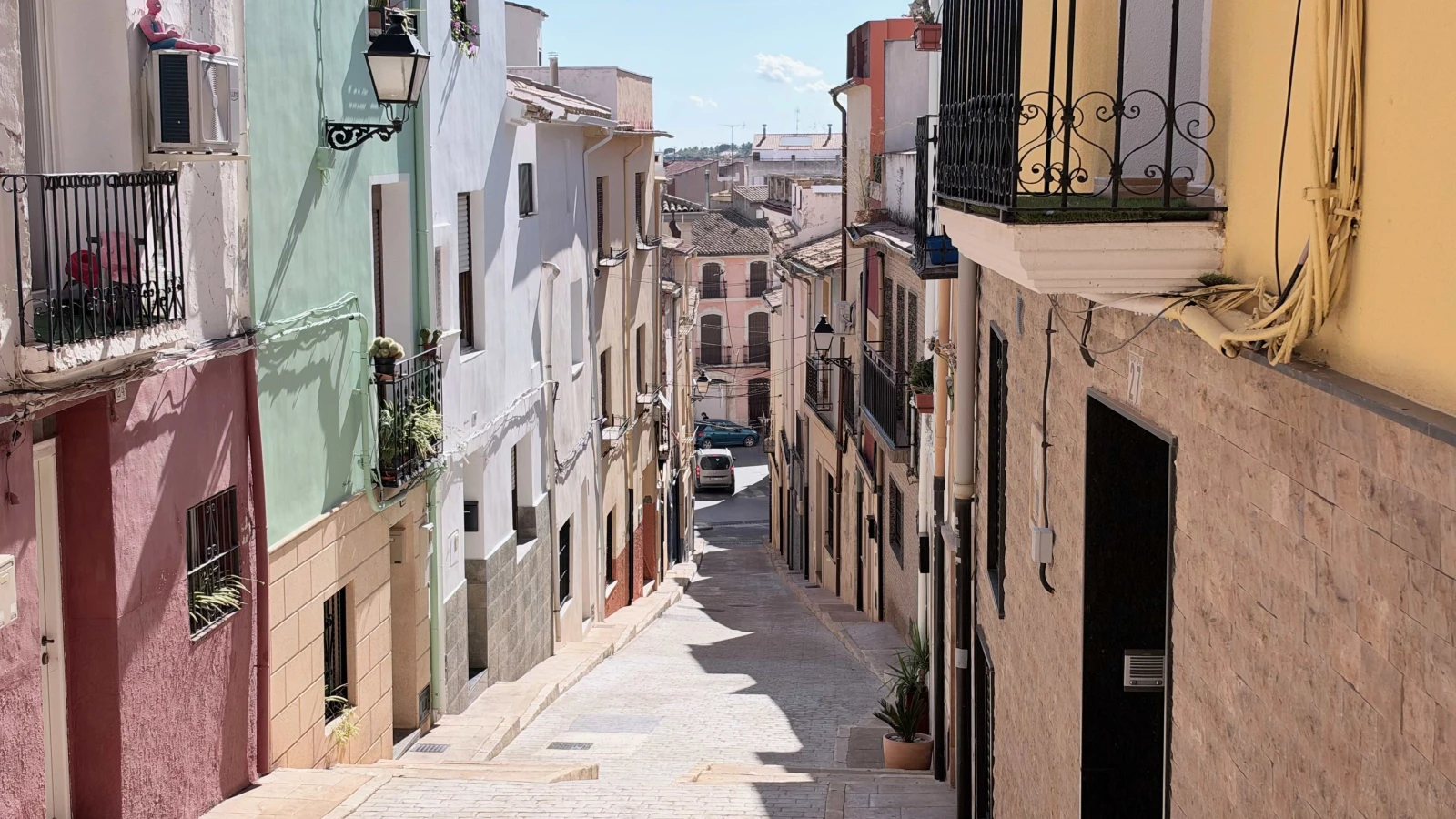
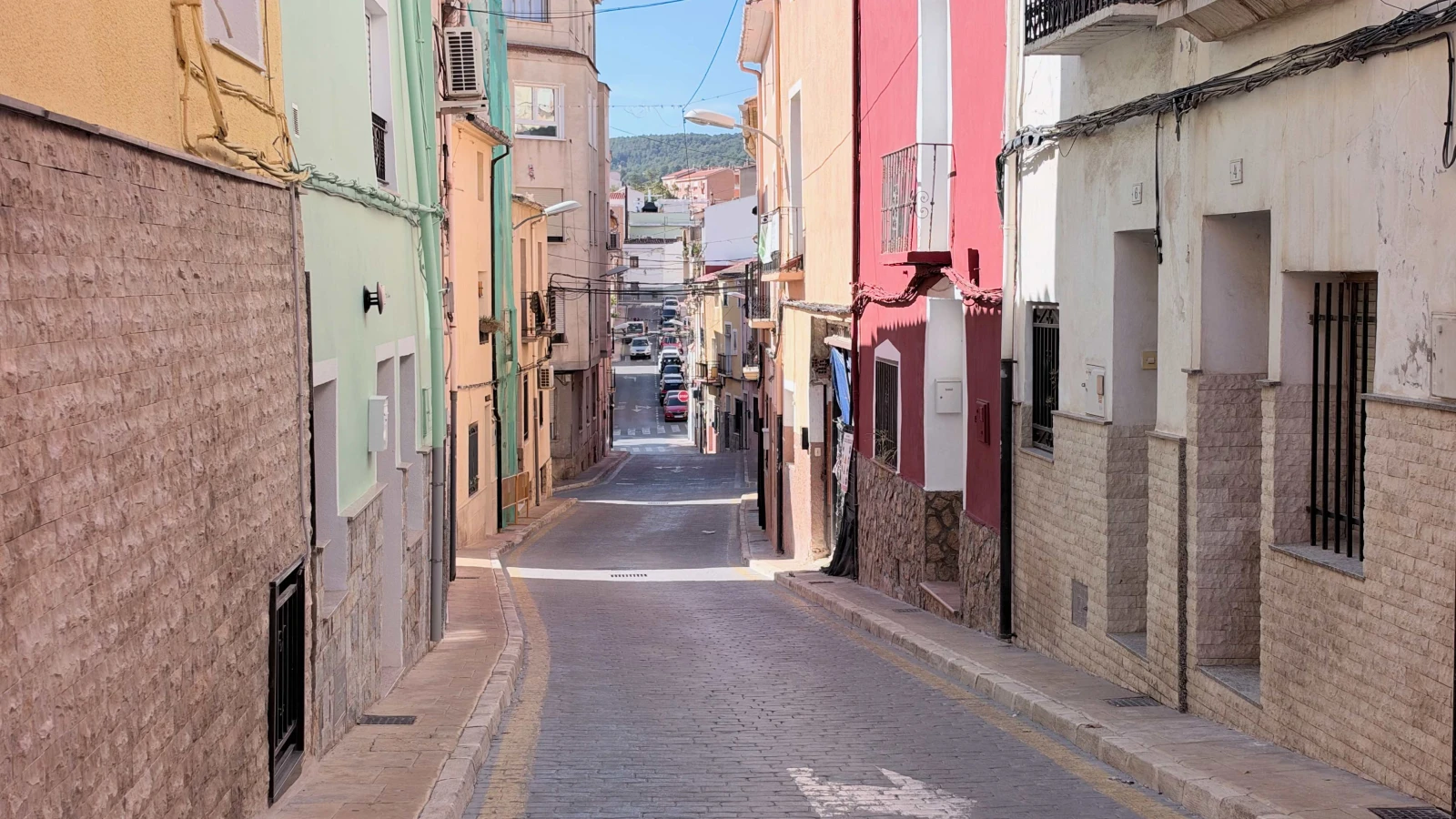
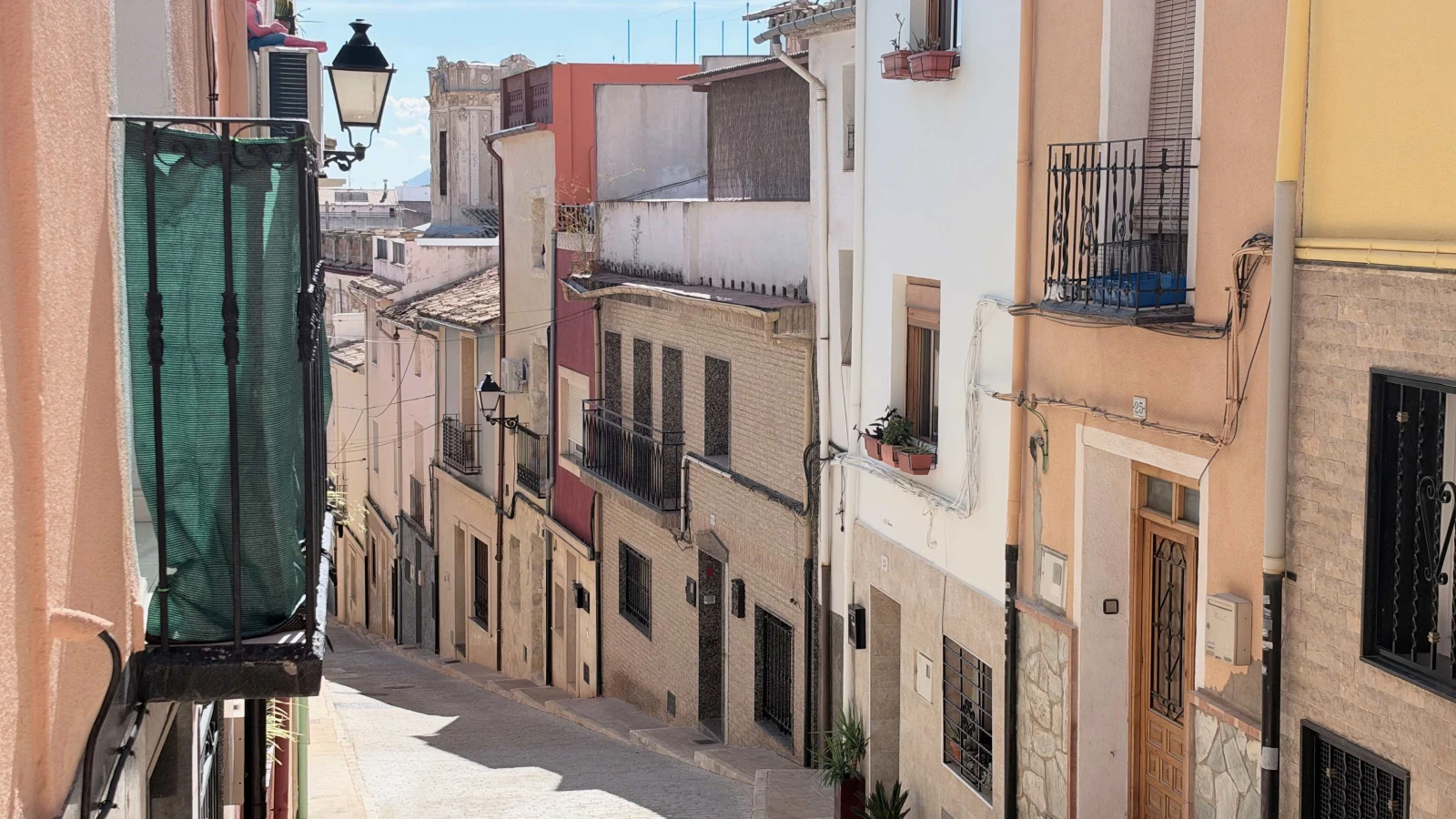
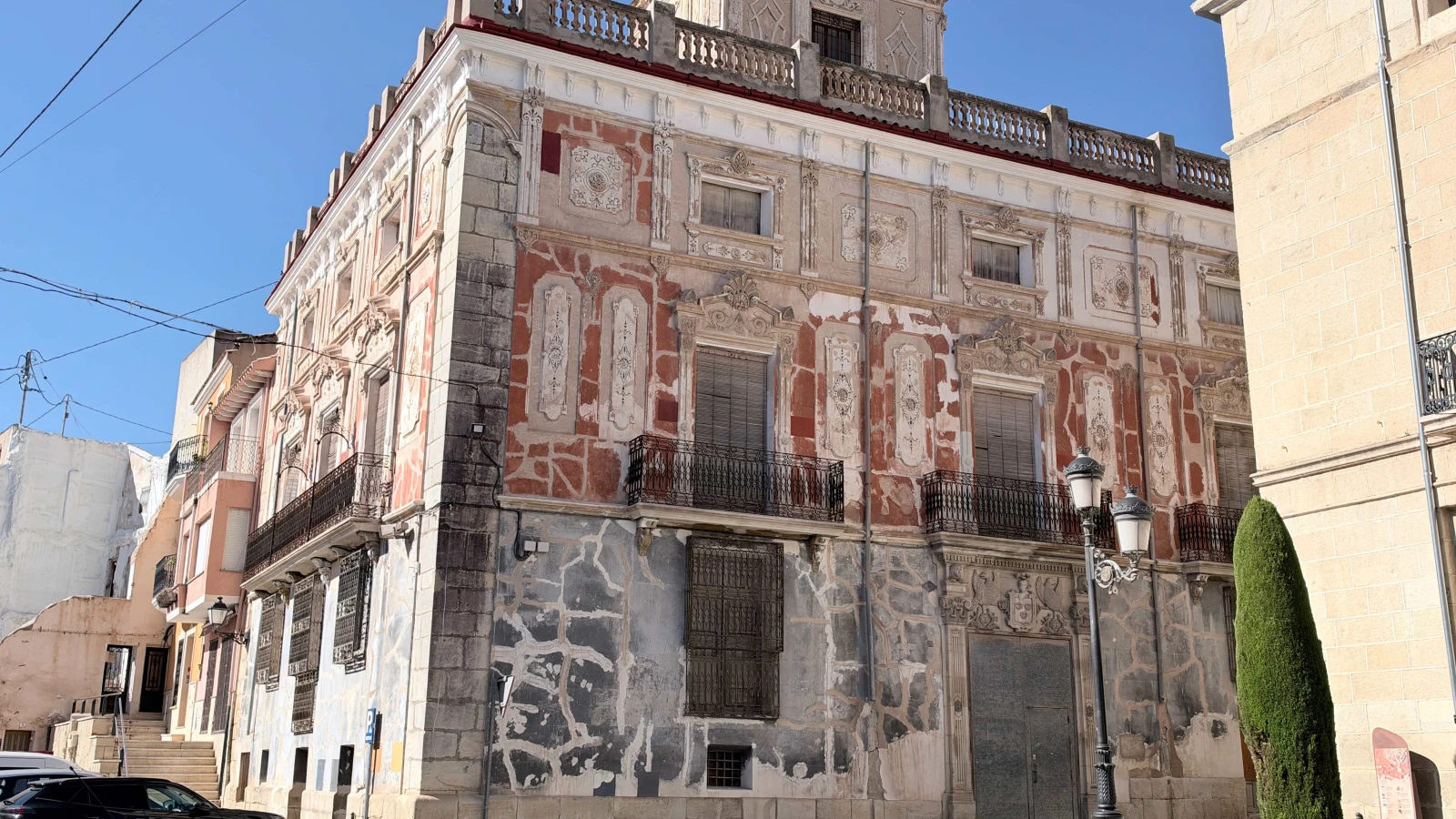
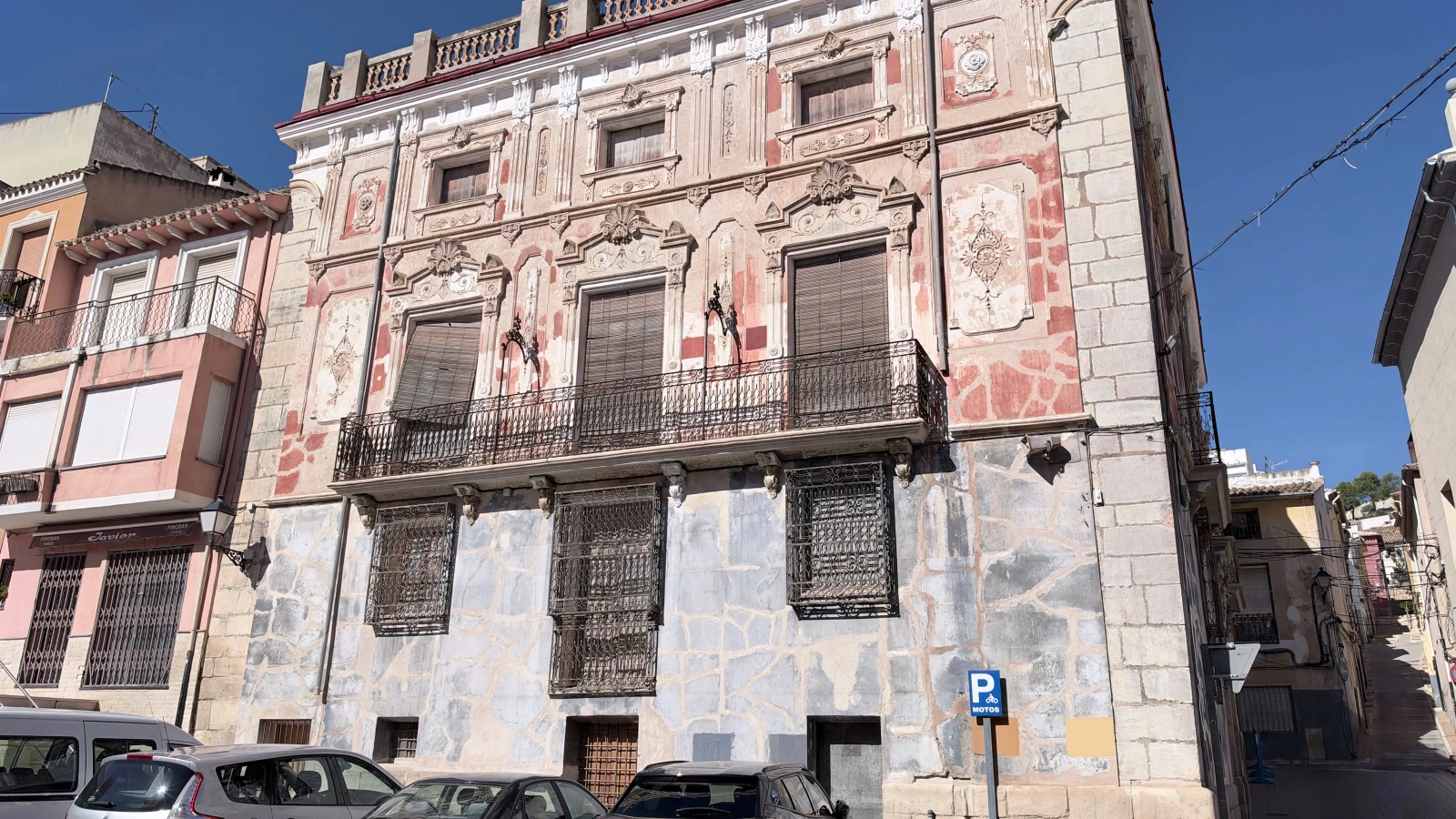
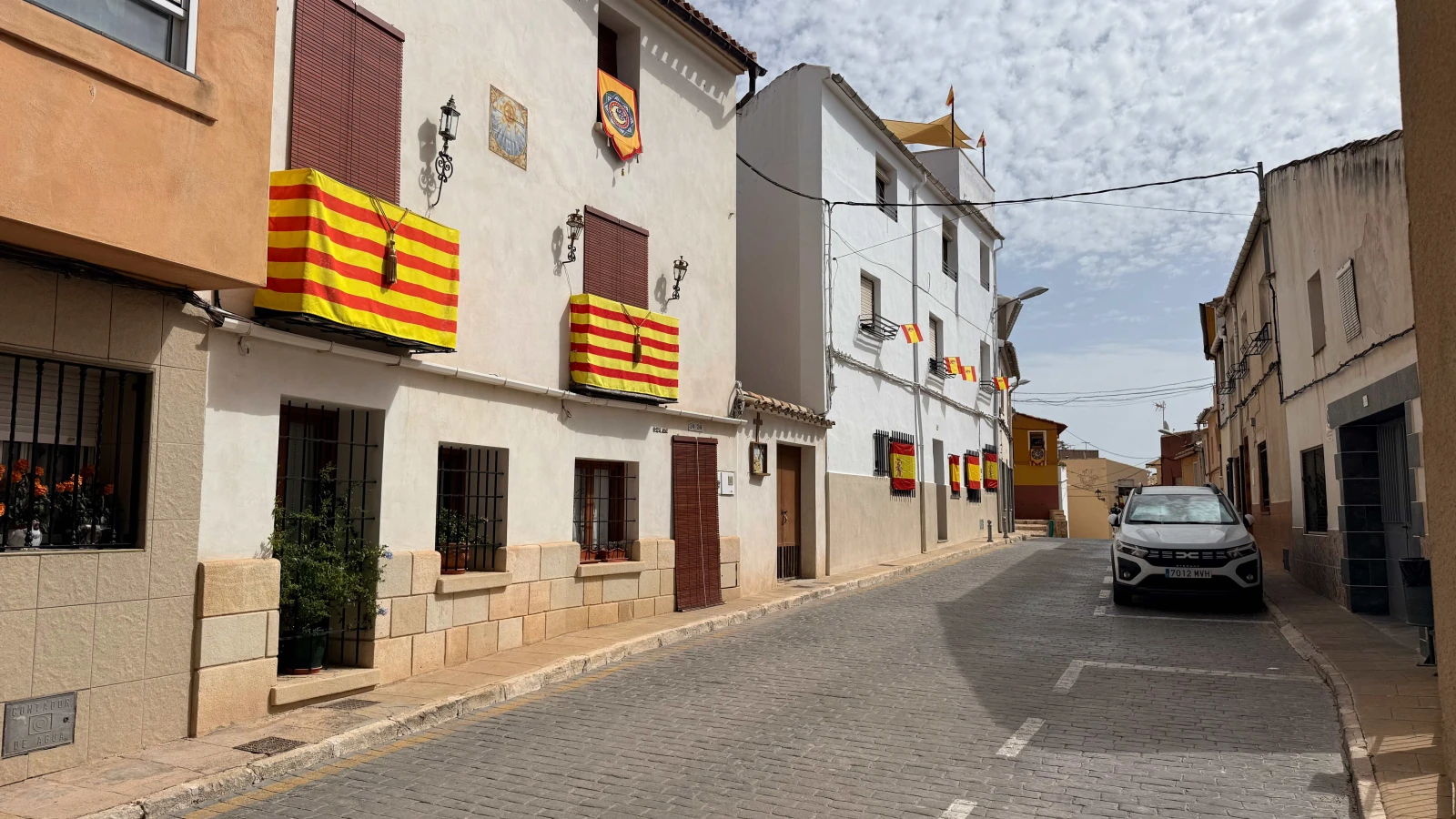
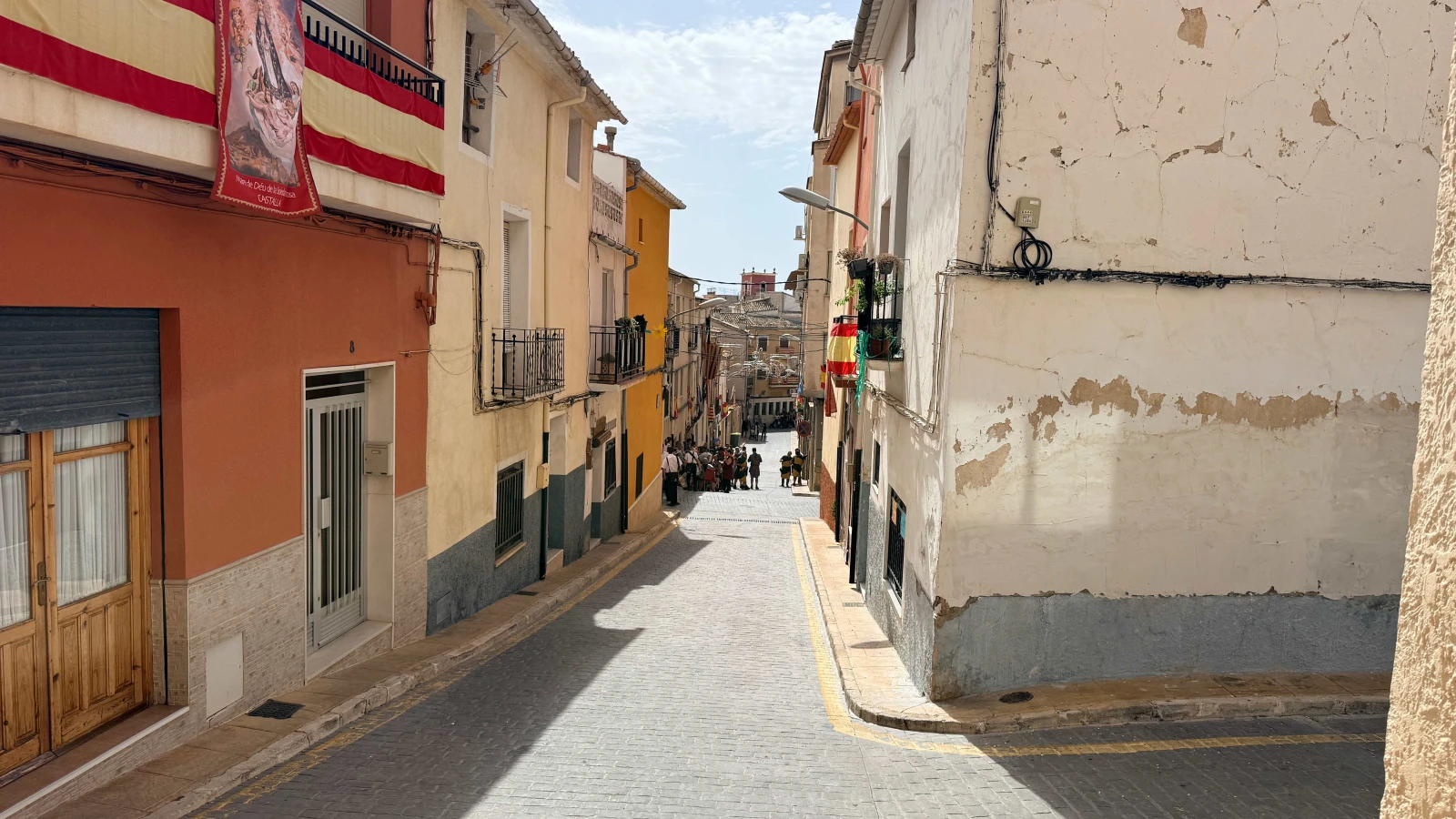
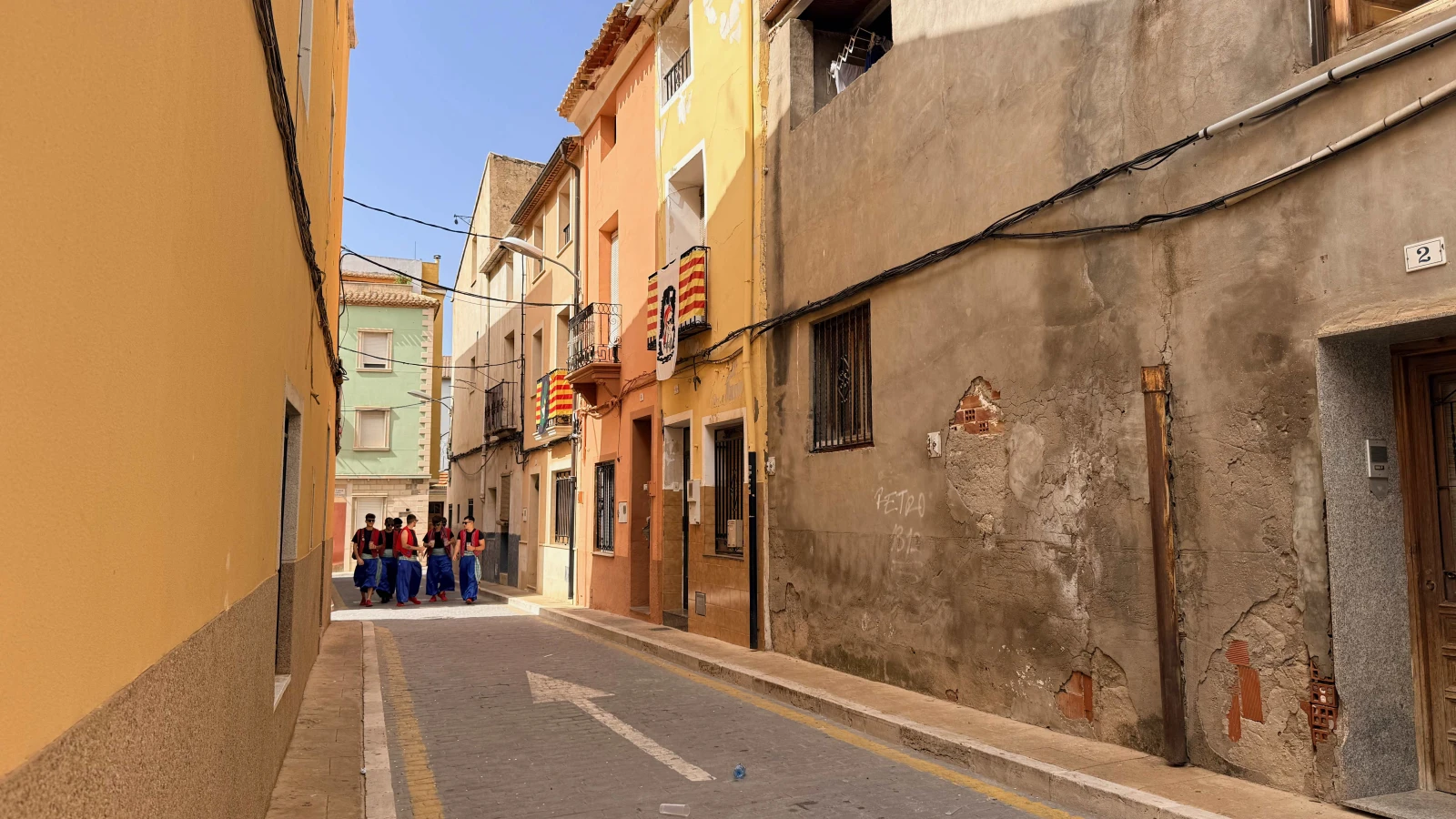
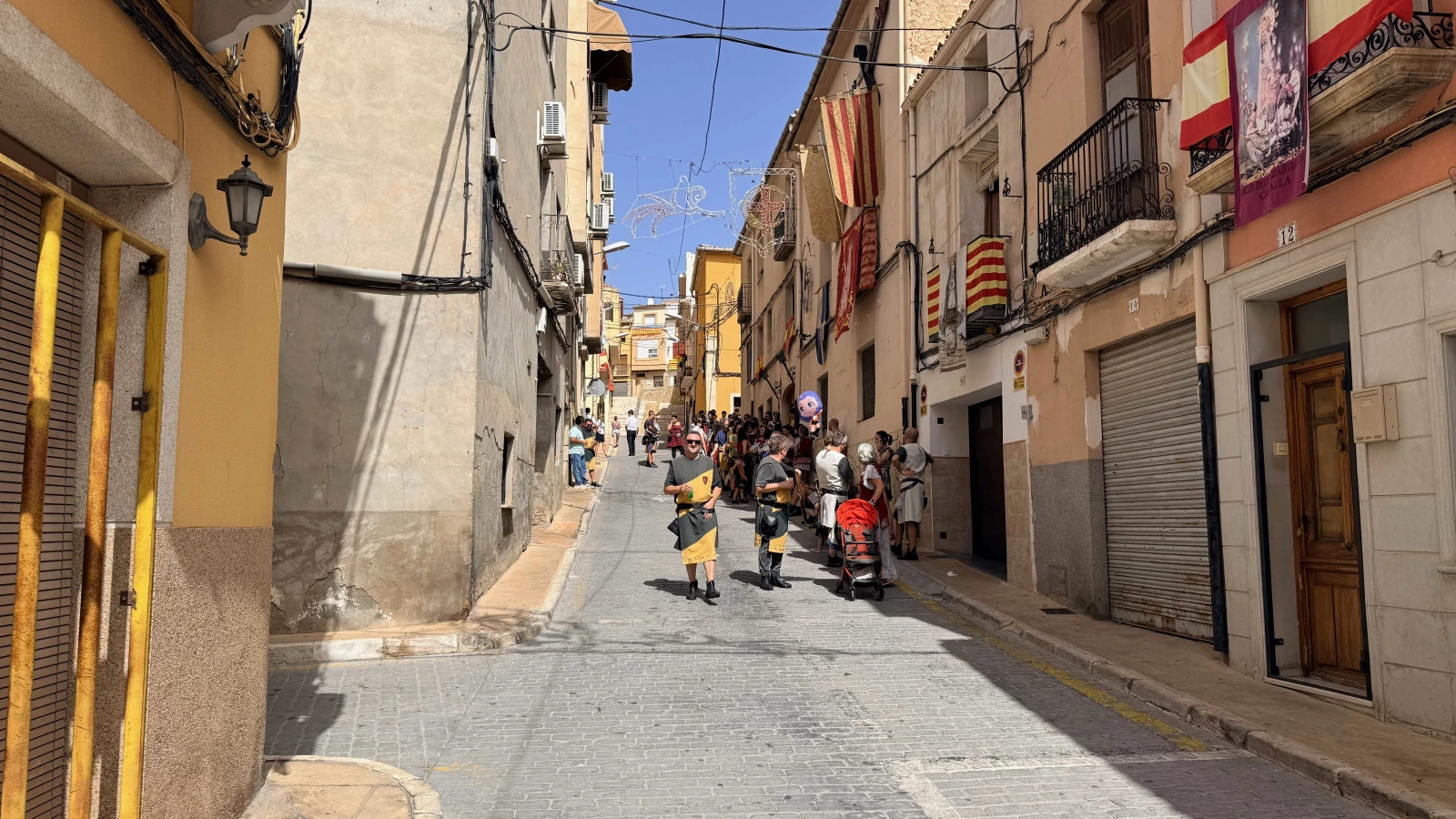
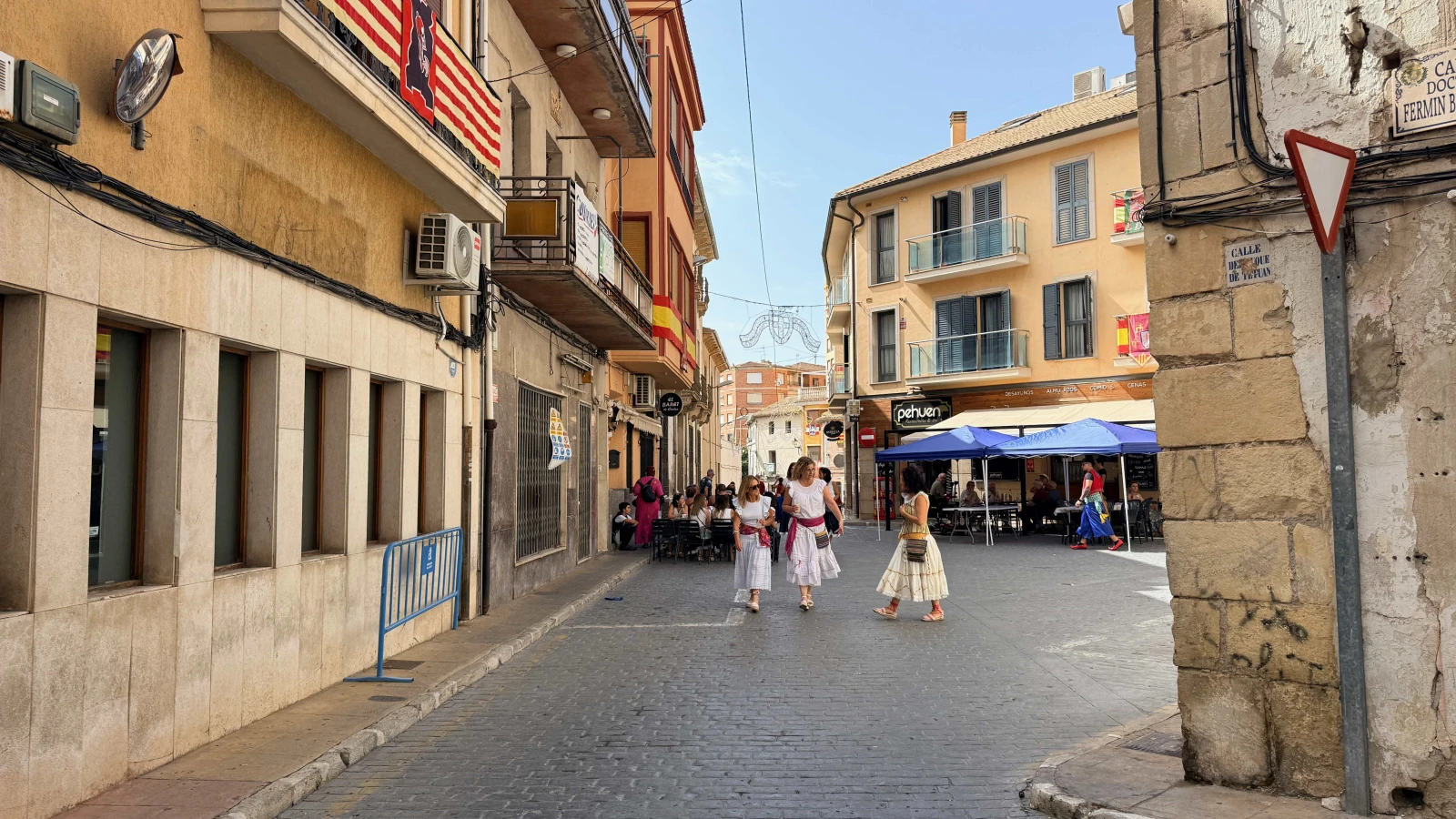
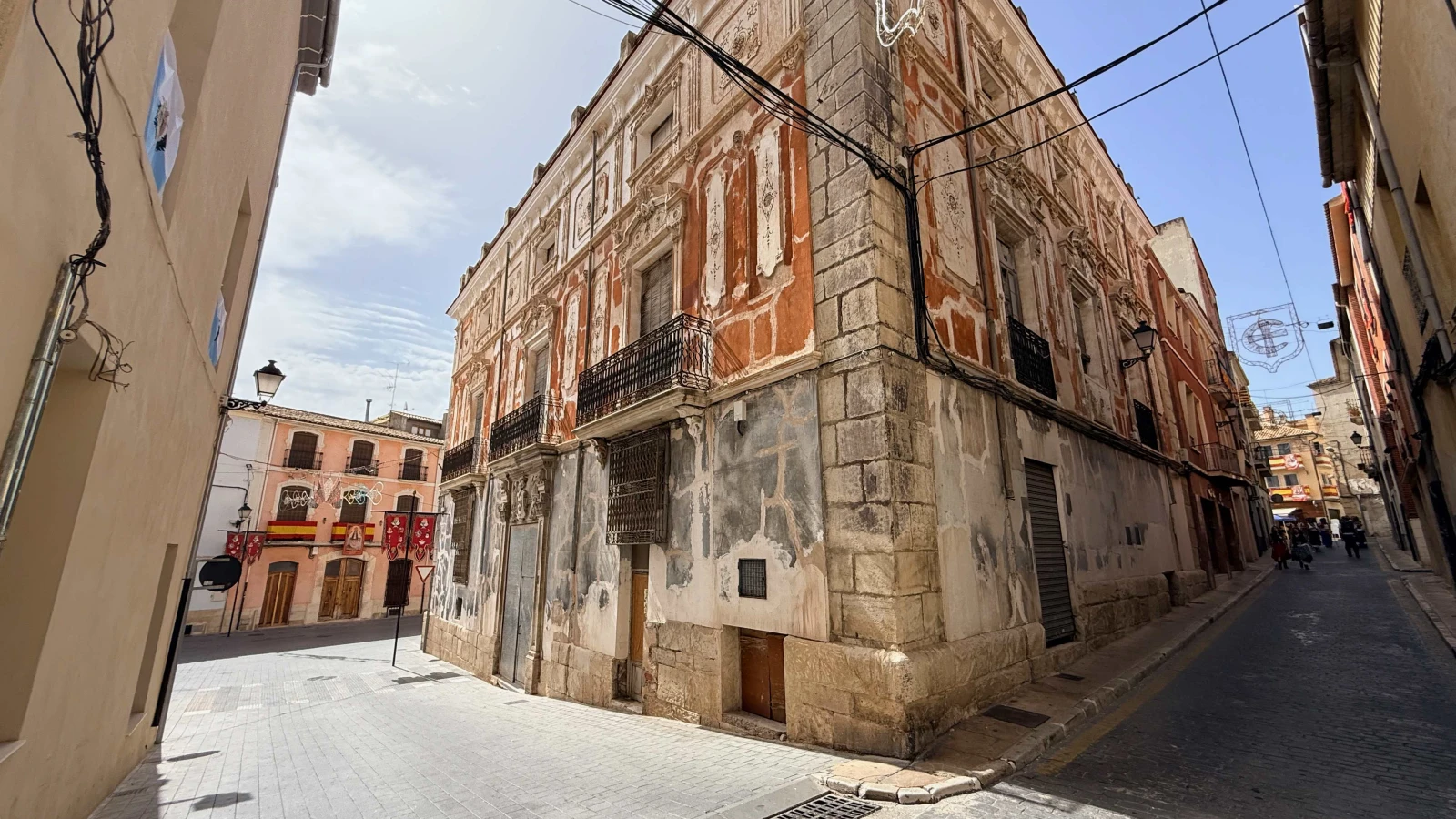
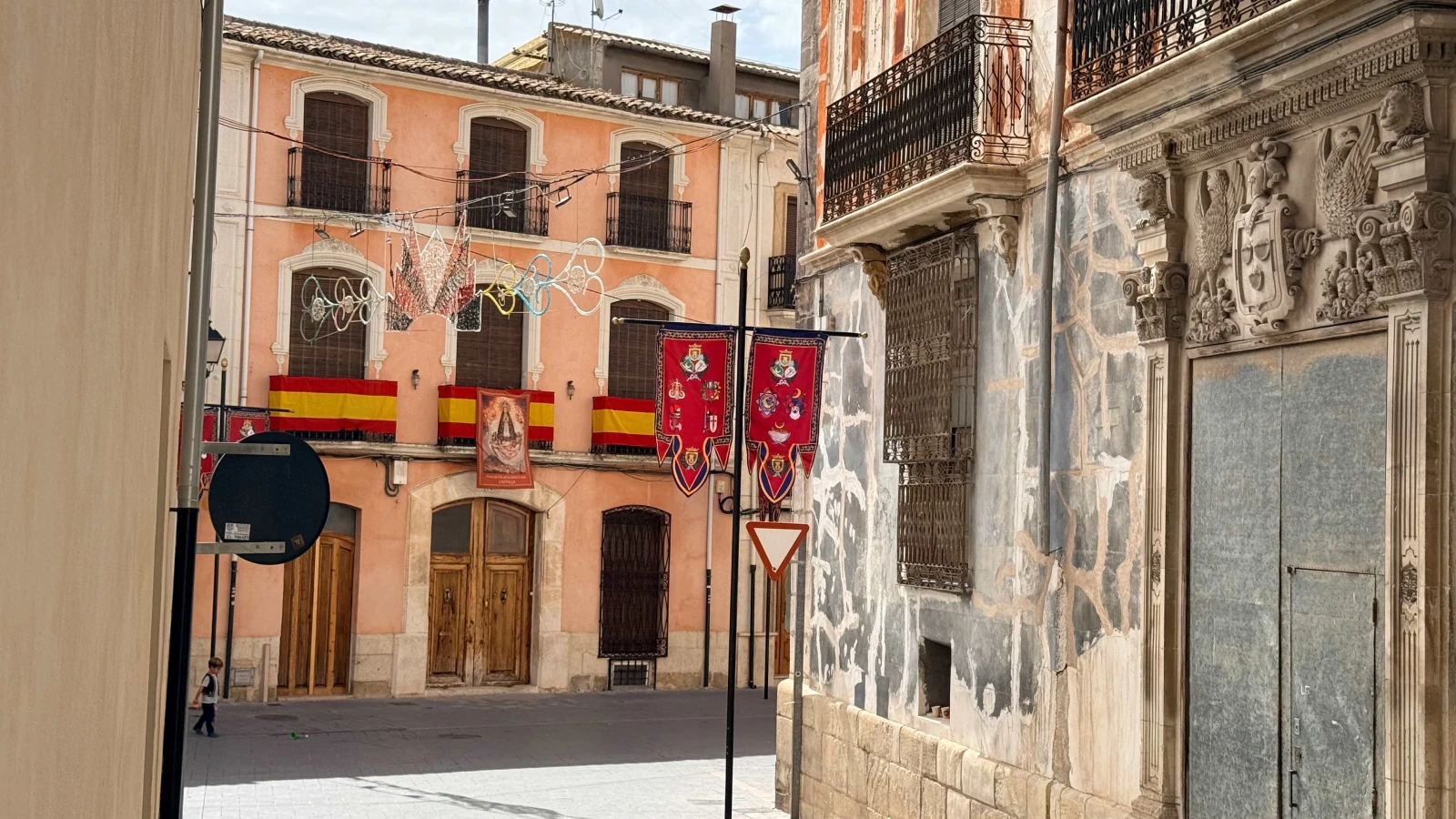
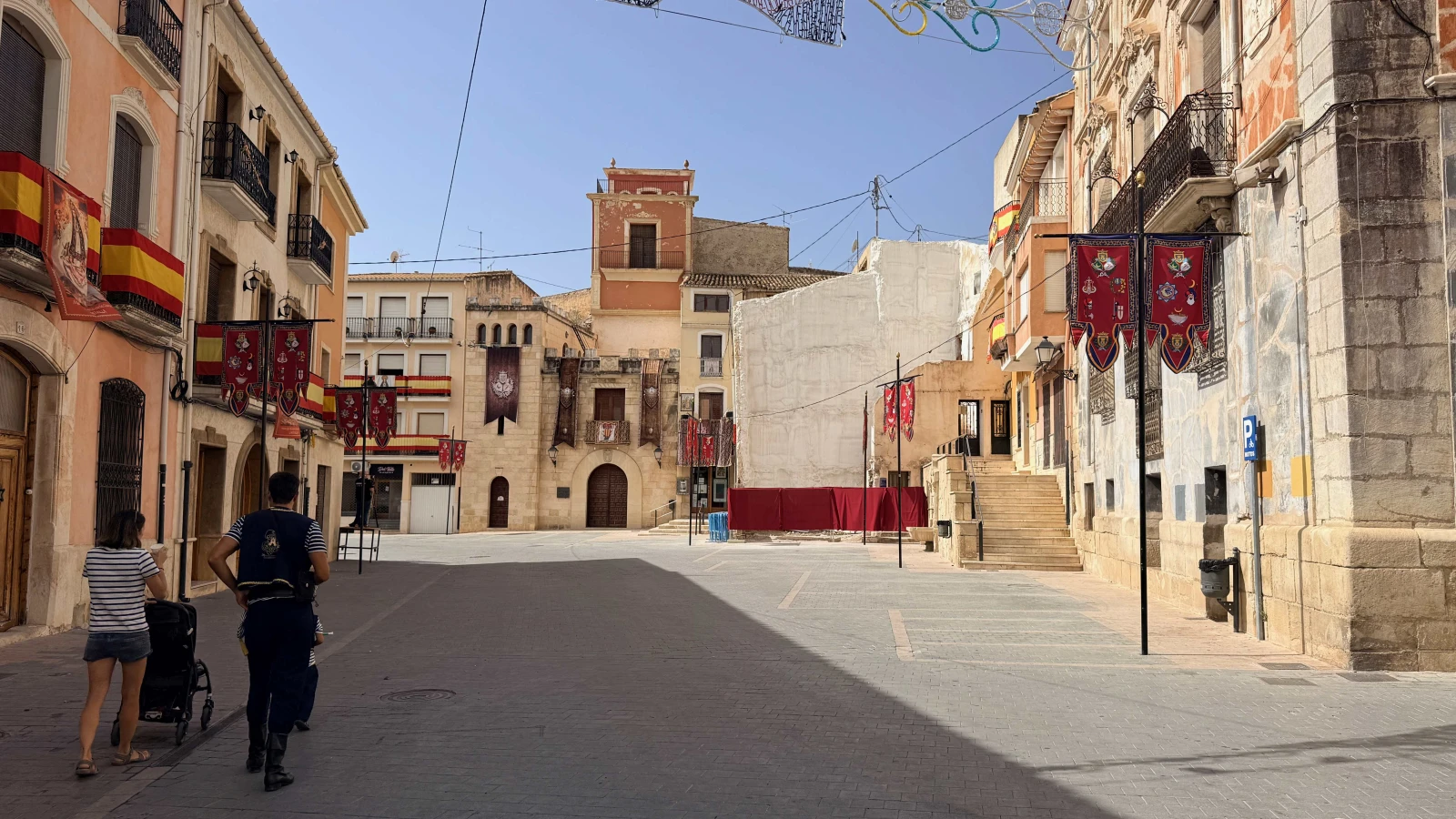
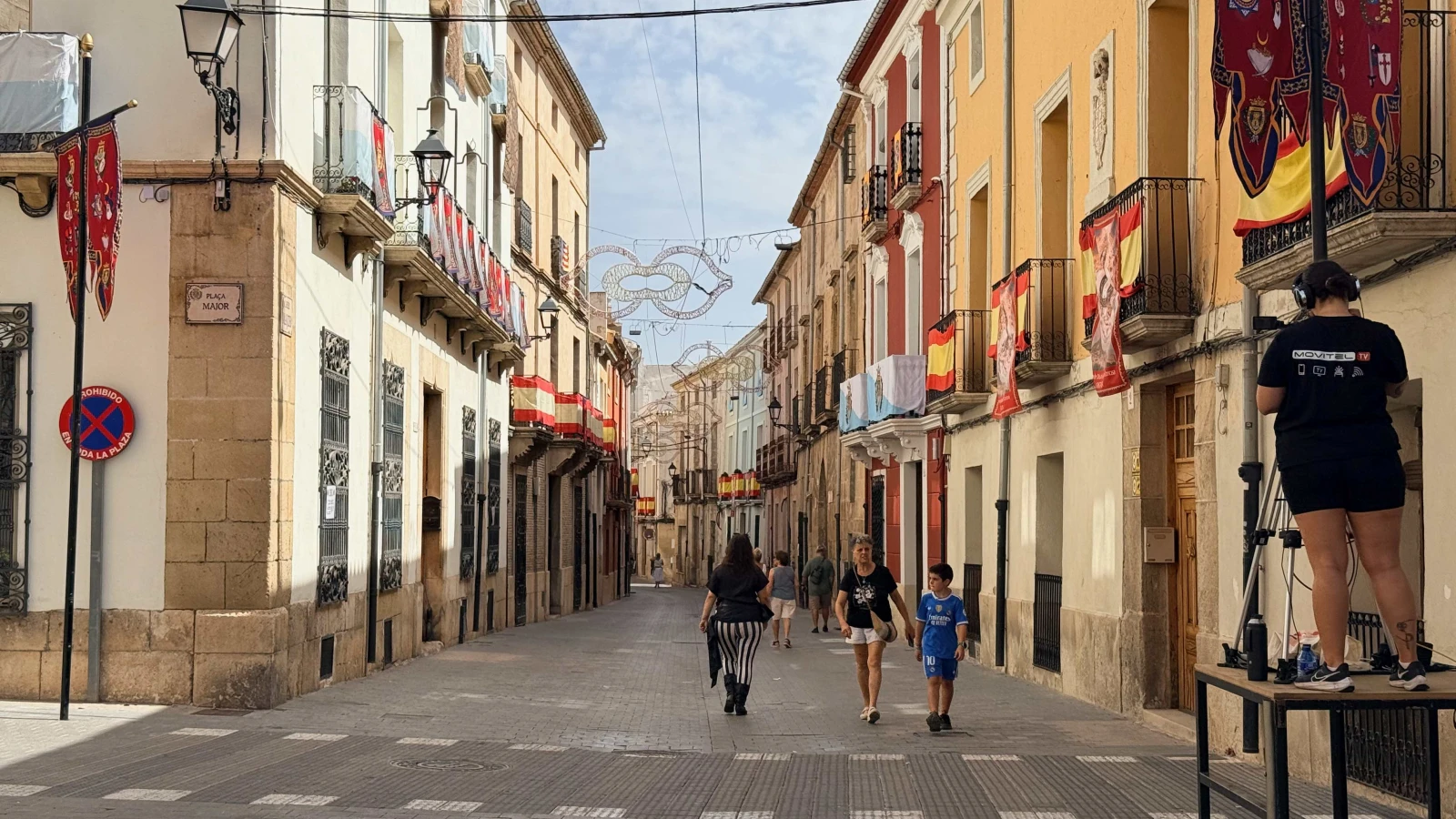
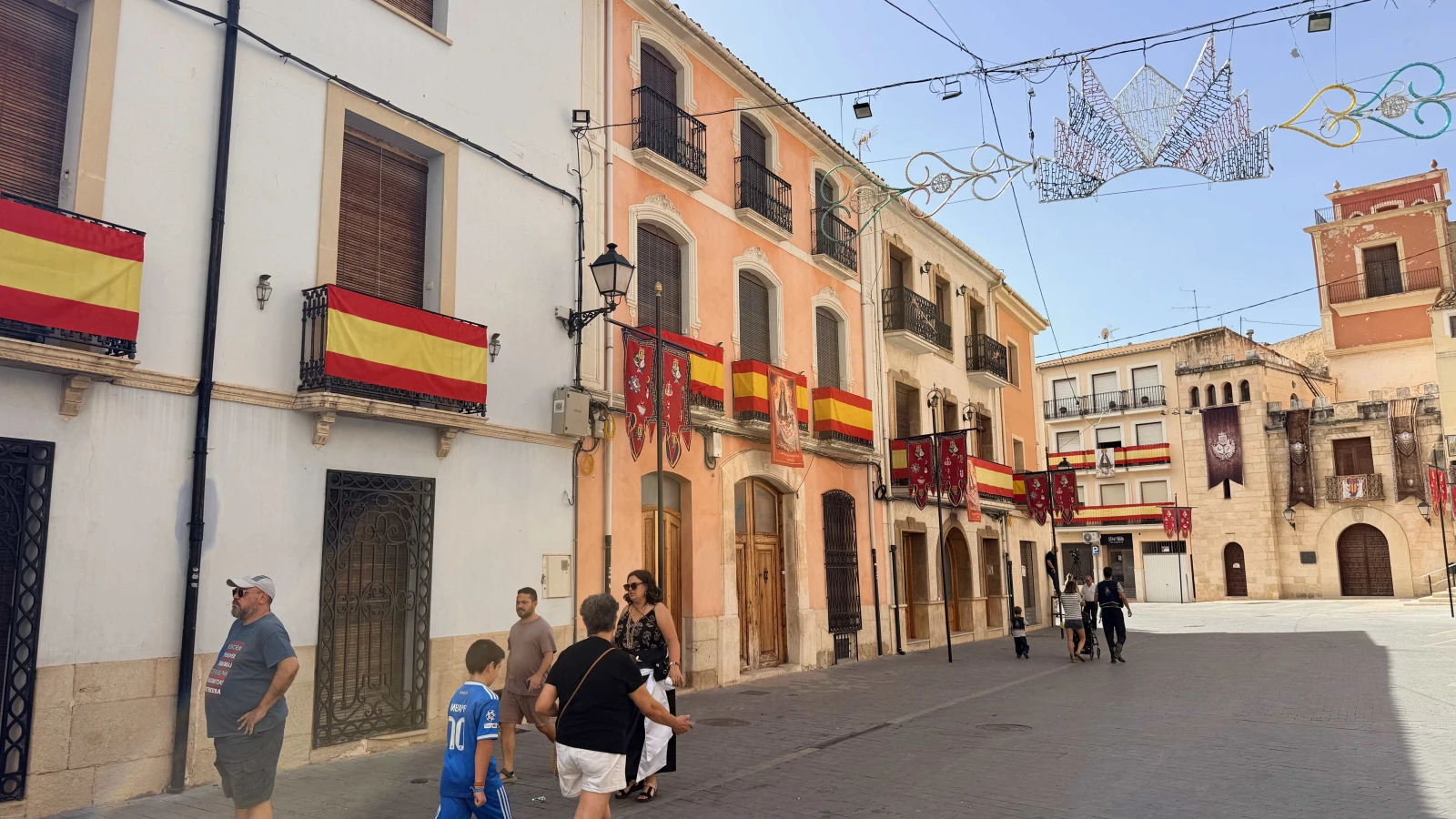
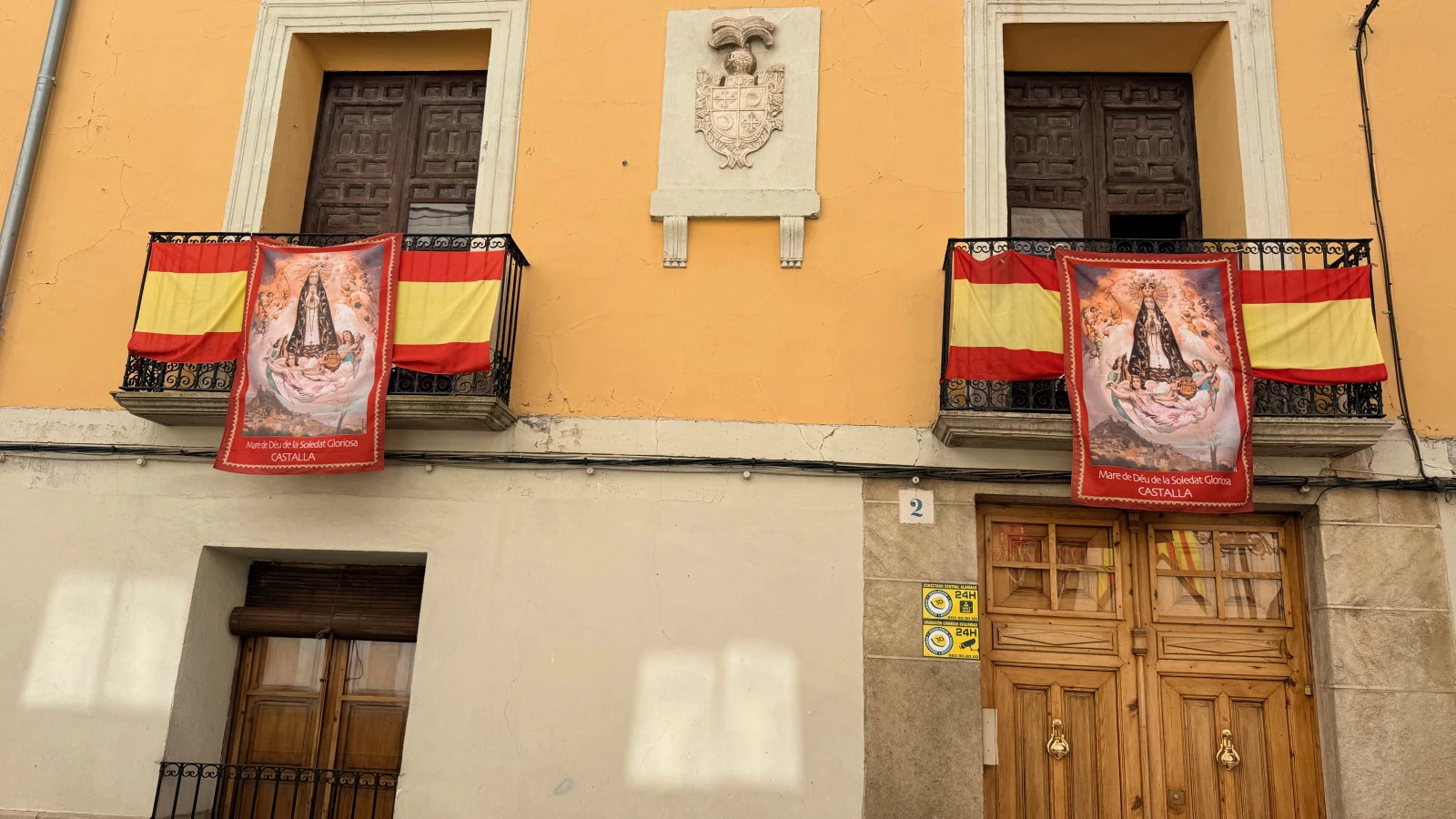
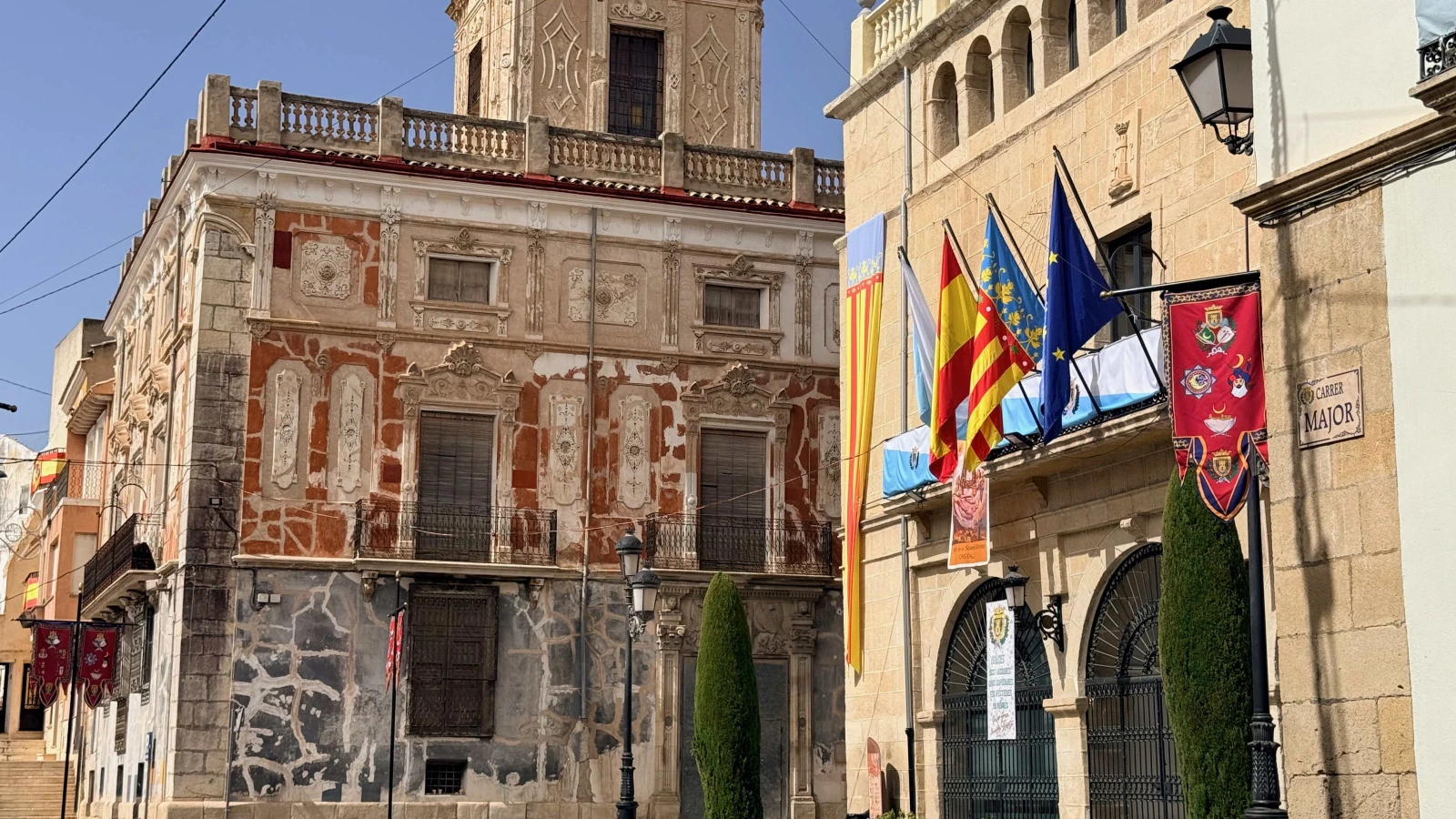
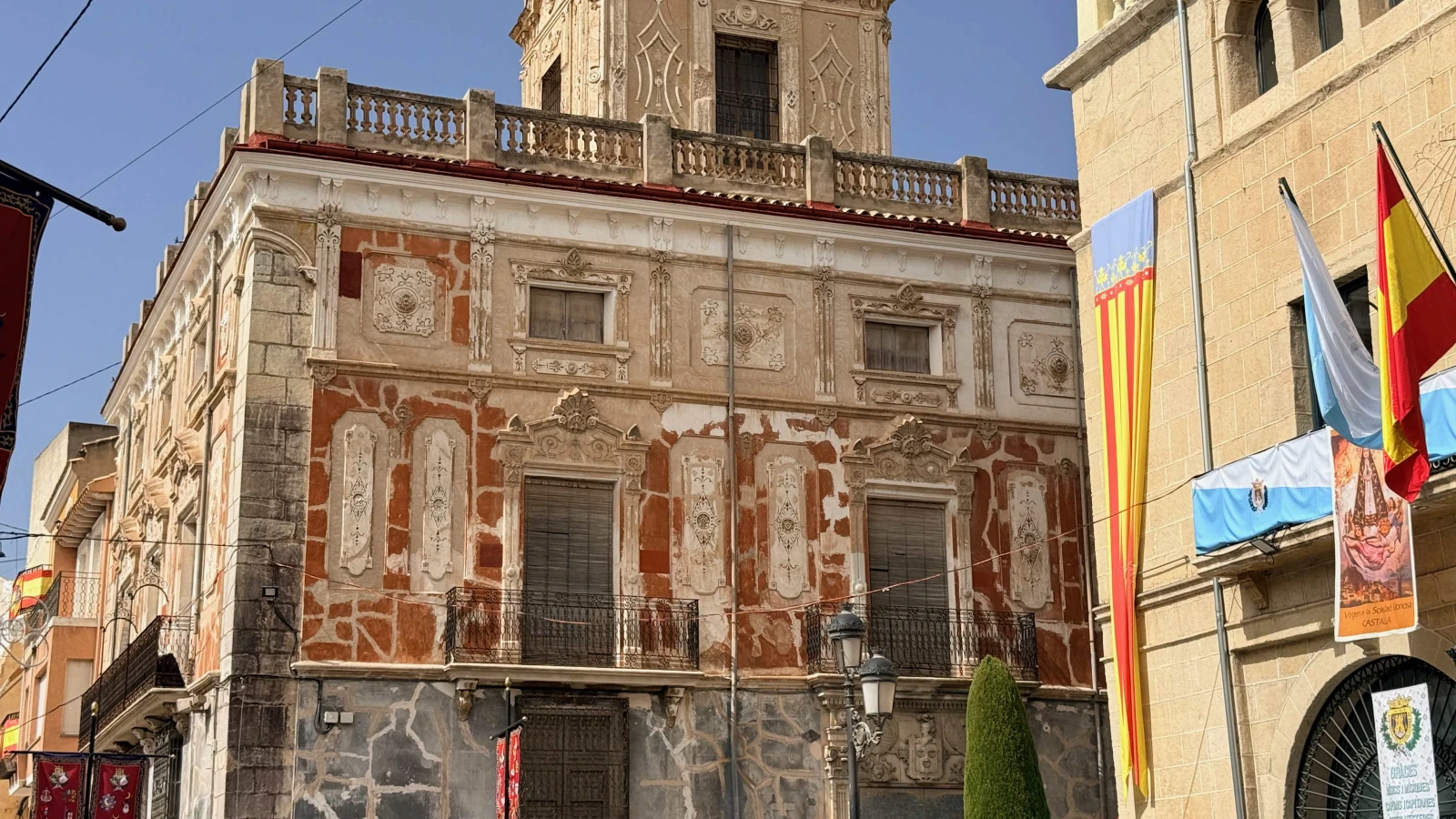
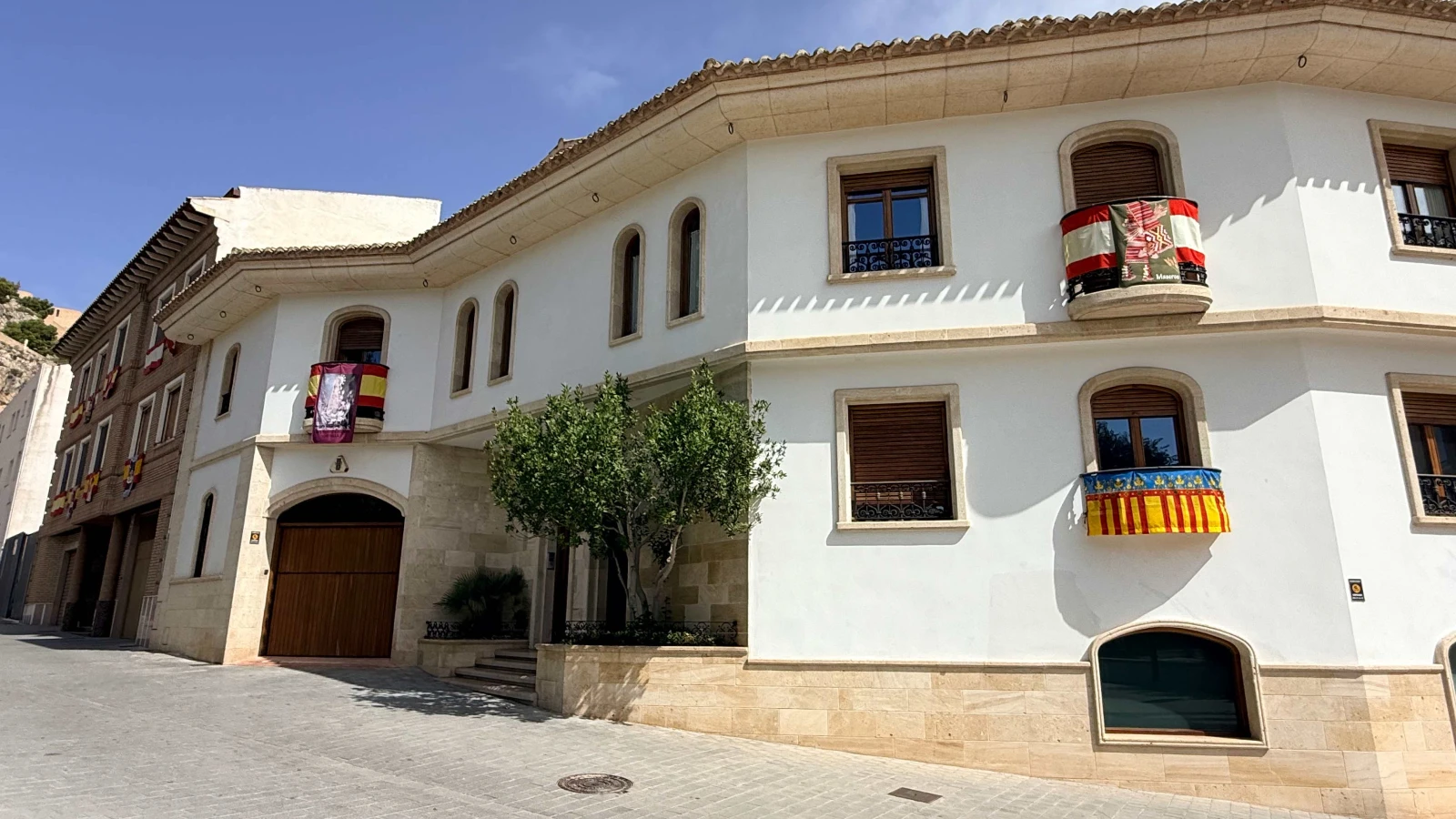
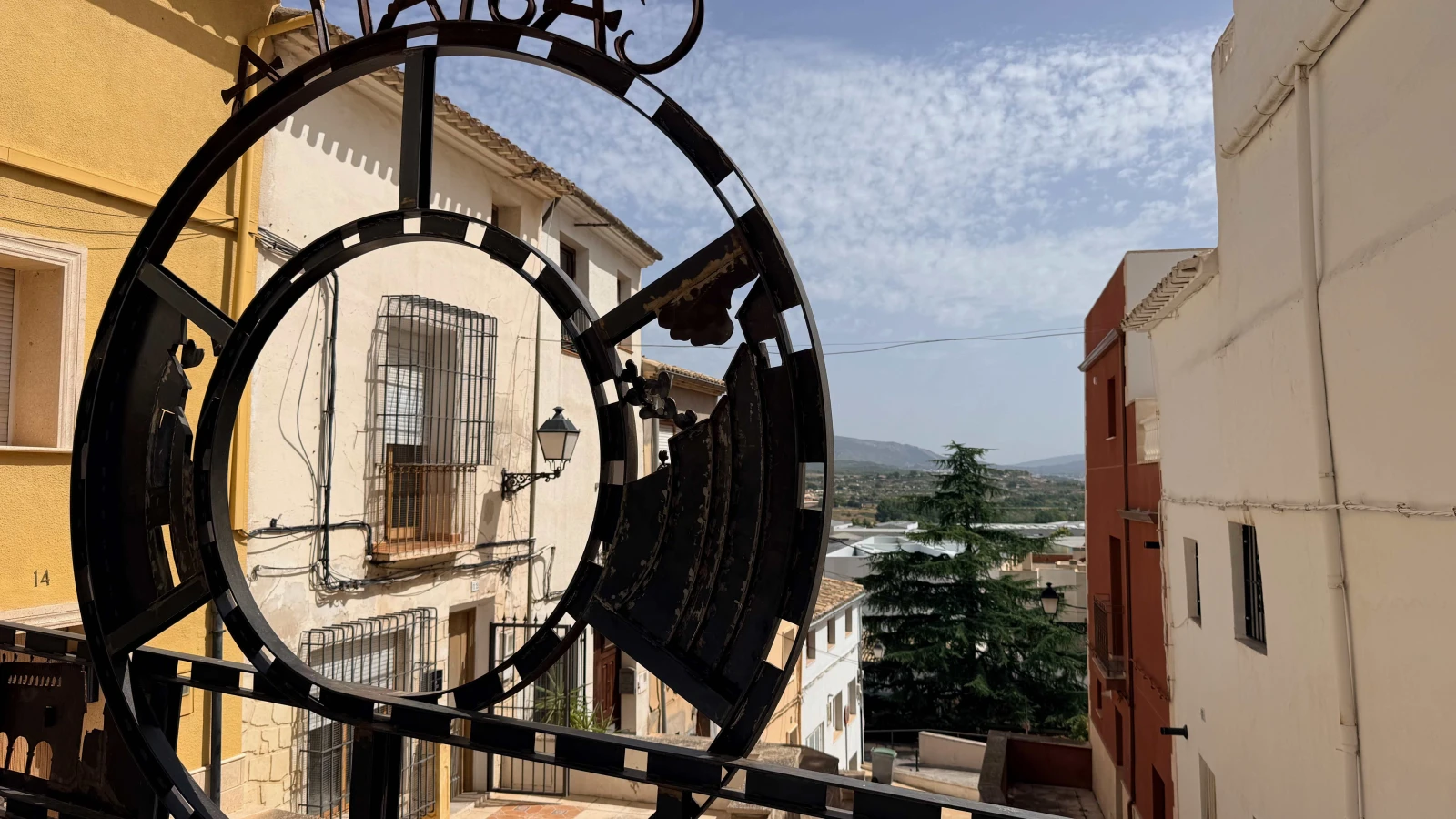
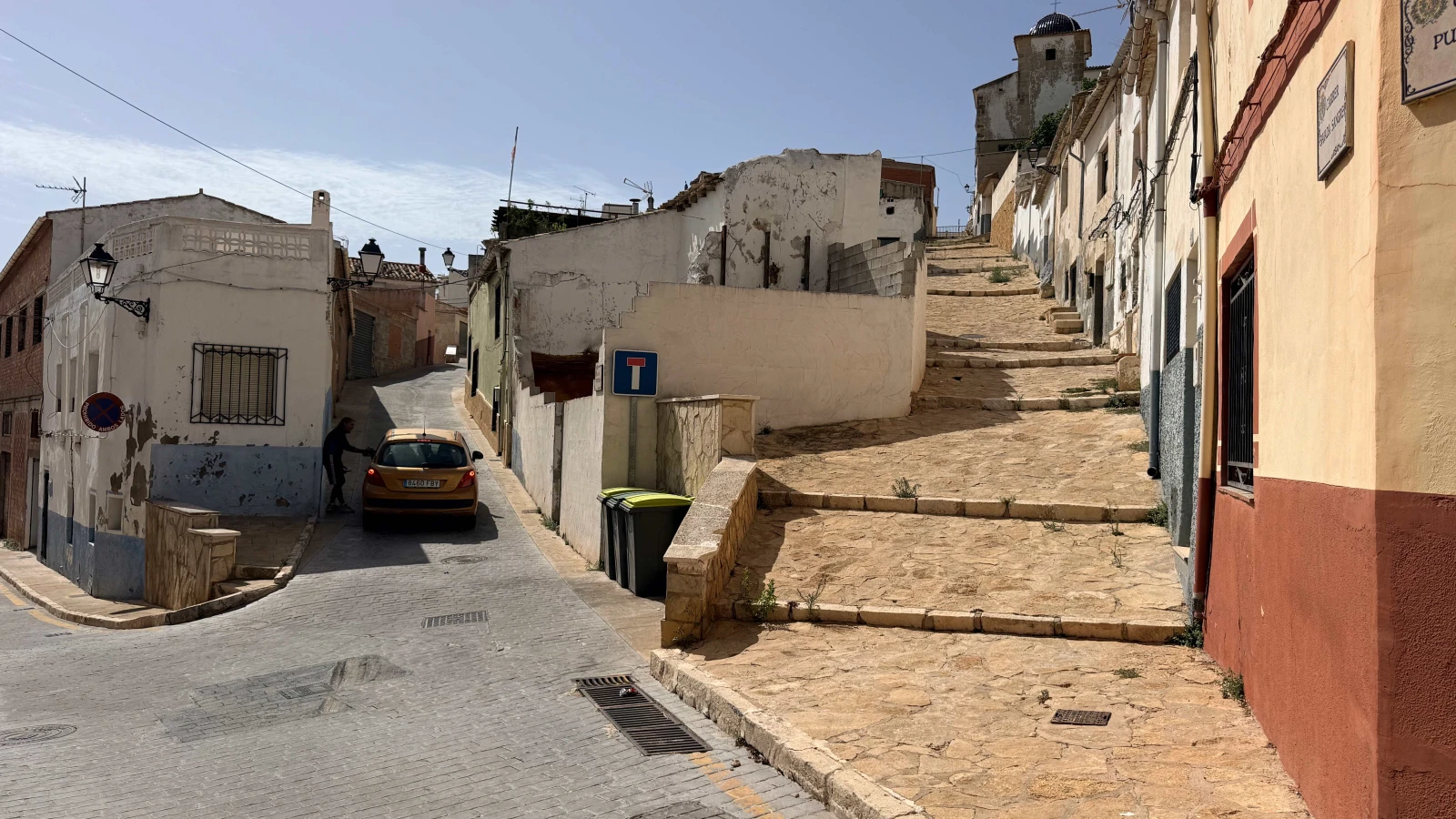
Particularly interesting is the historic town center, whose narrow, sometimes steeply rising alleys wind up the hillside. Between old house facades, small squares, and winding streets, you repeatedly find beautiful corners that invite you to linger.
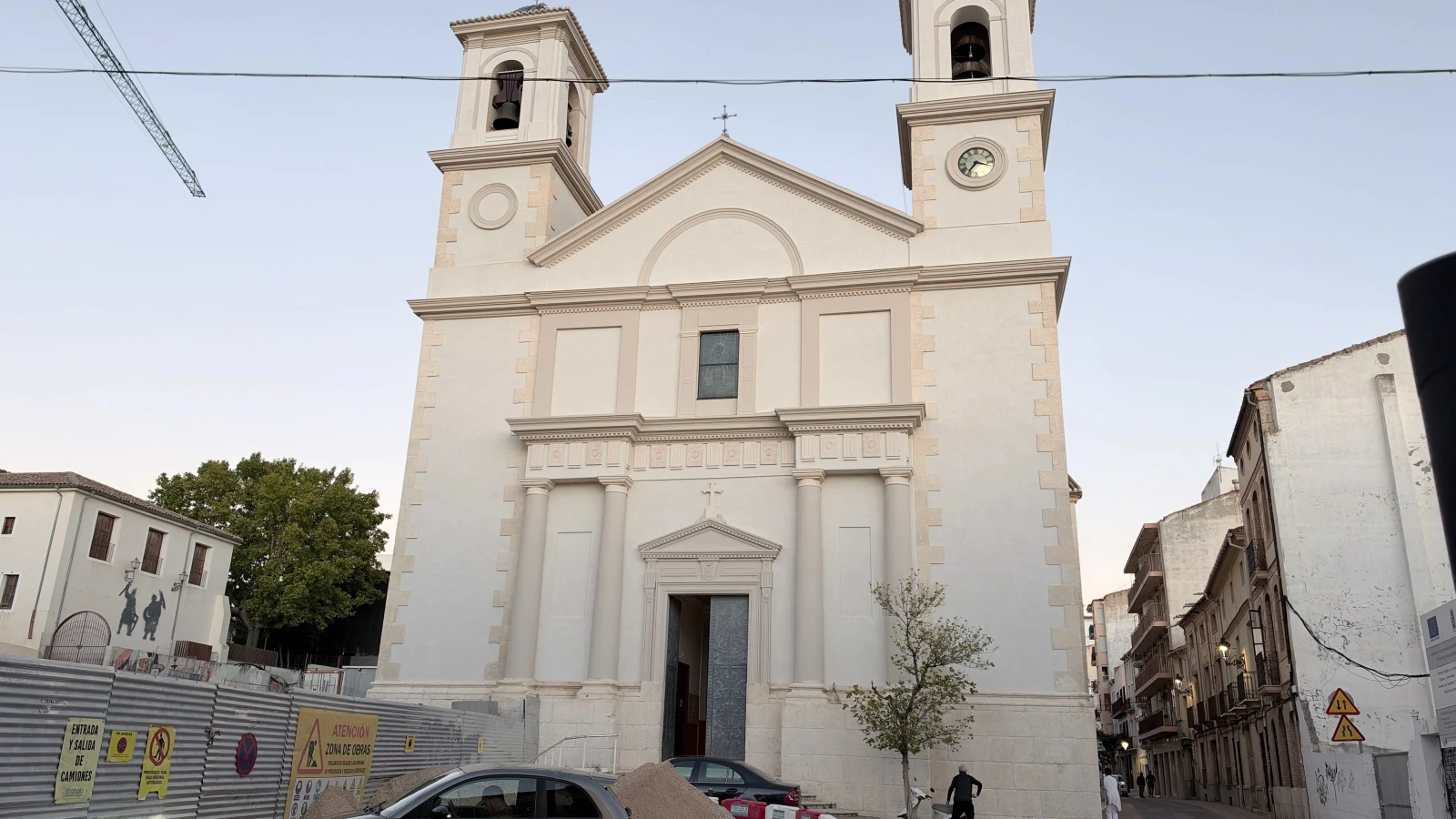
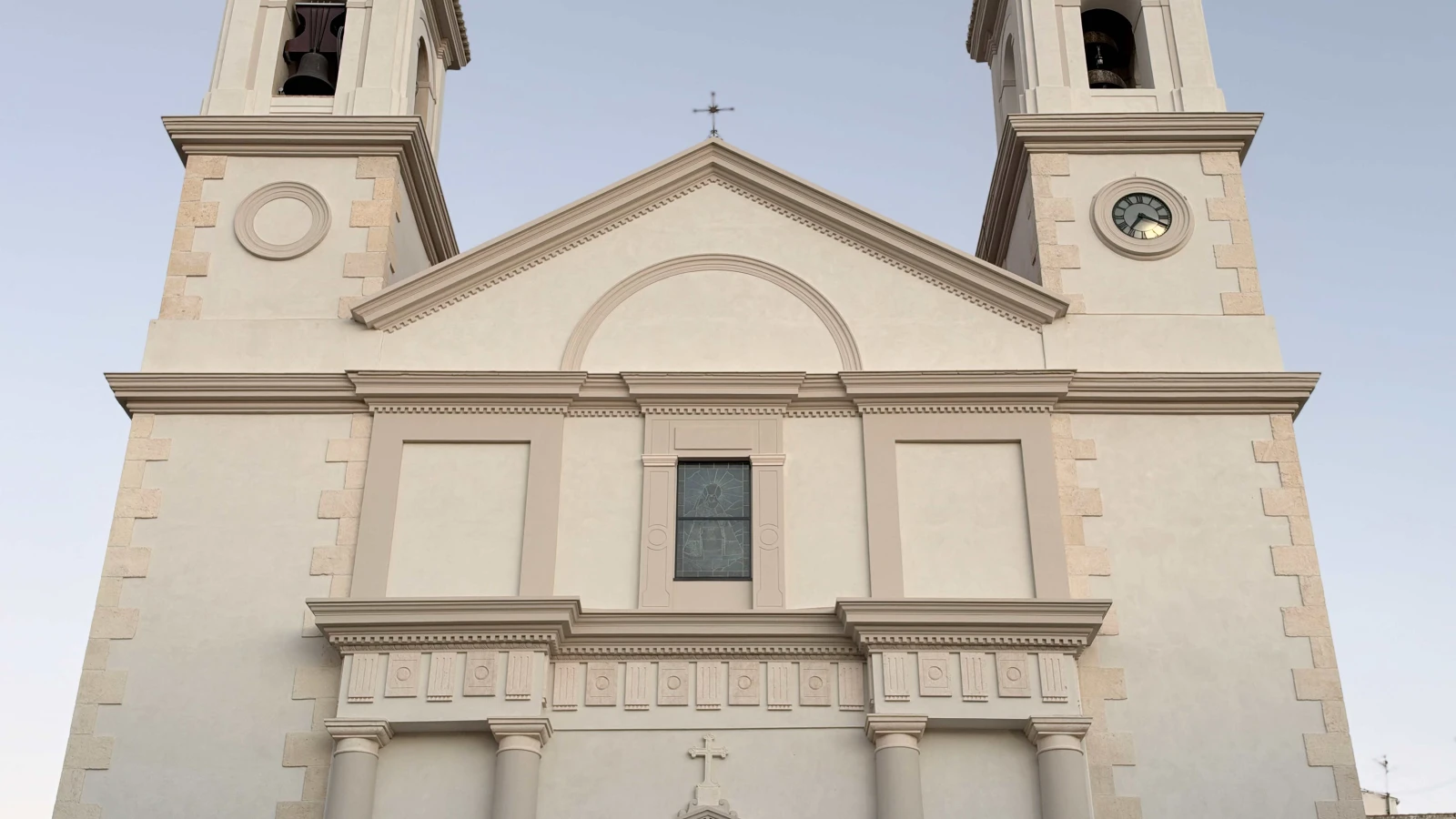
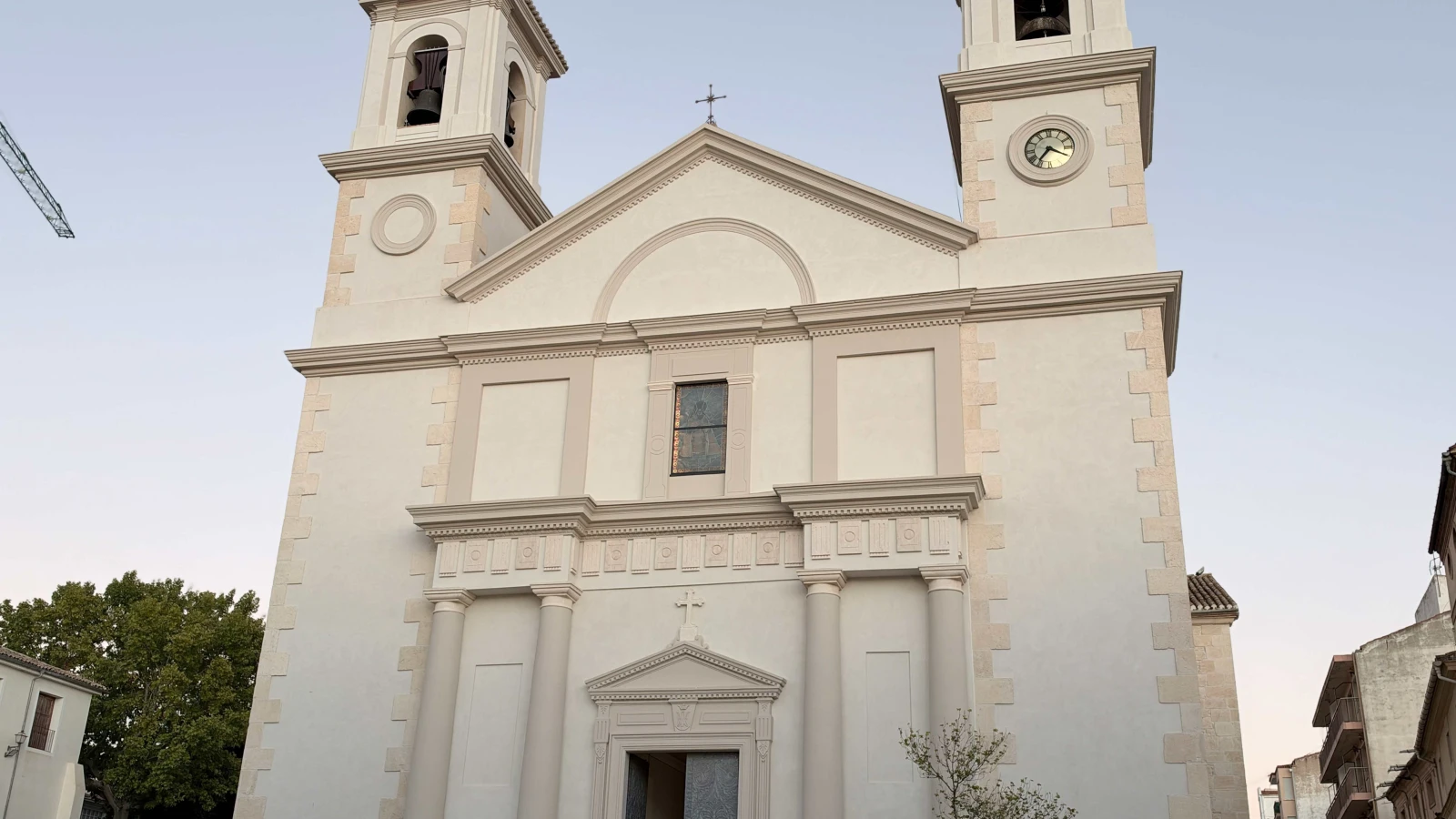
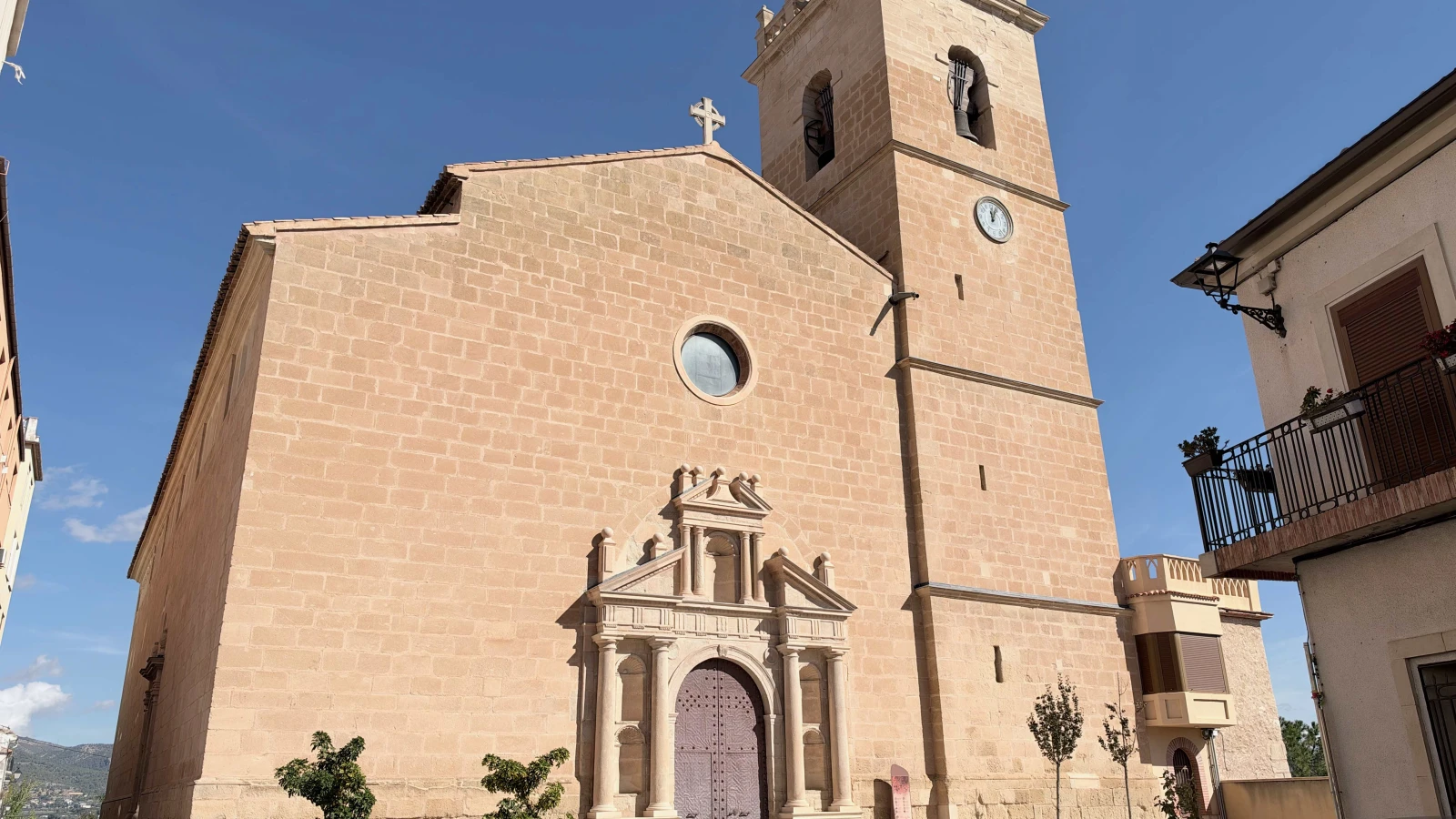
Among the most important sights is the Iglesia de Nuestra Señora de la Asunción, an impressive church from the 16th and 17th centuries.
A bit above is the Ermita de la Sang, whose origins date back to the 13th century. It is one of the oldest preserved religious buildings in the town.
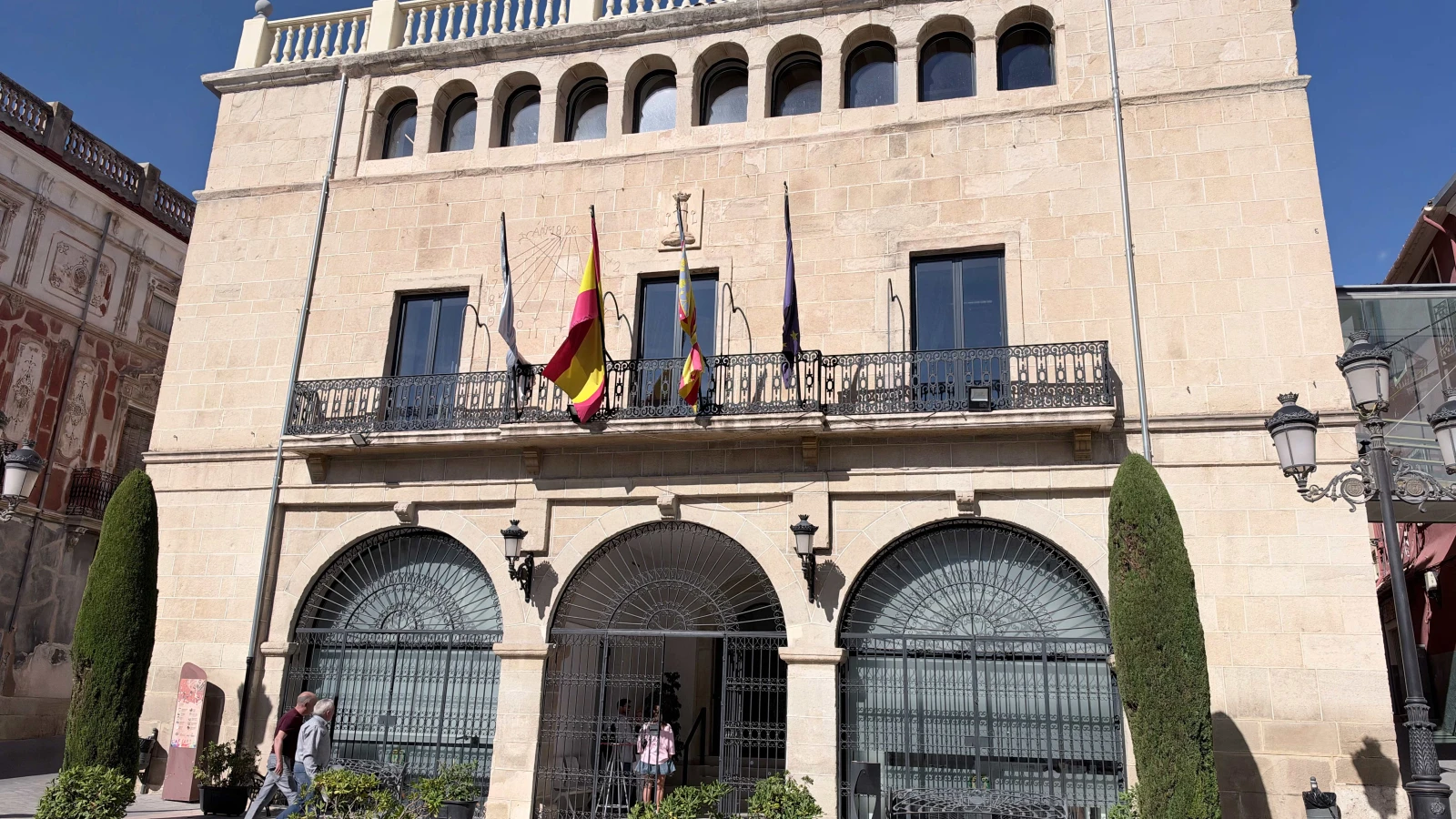
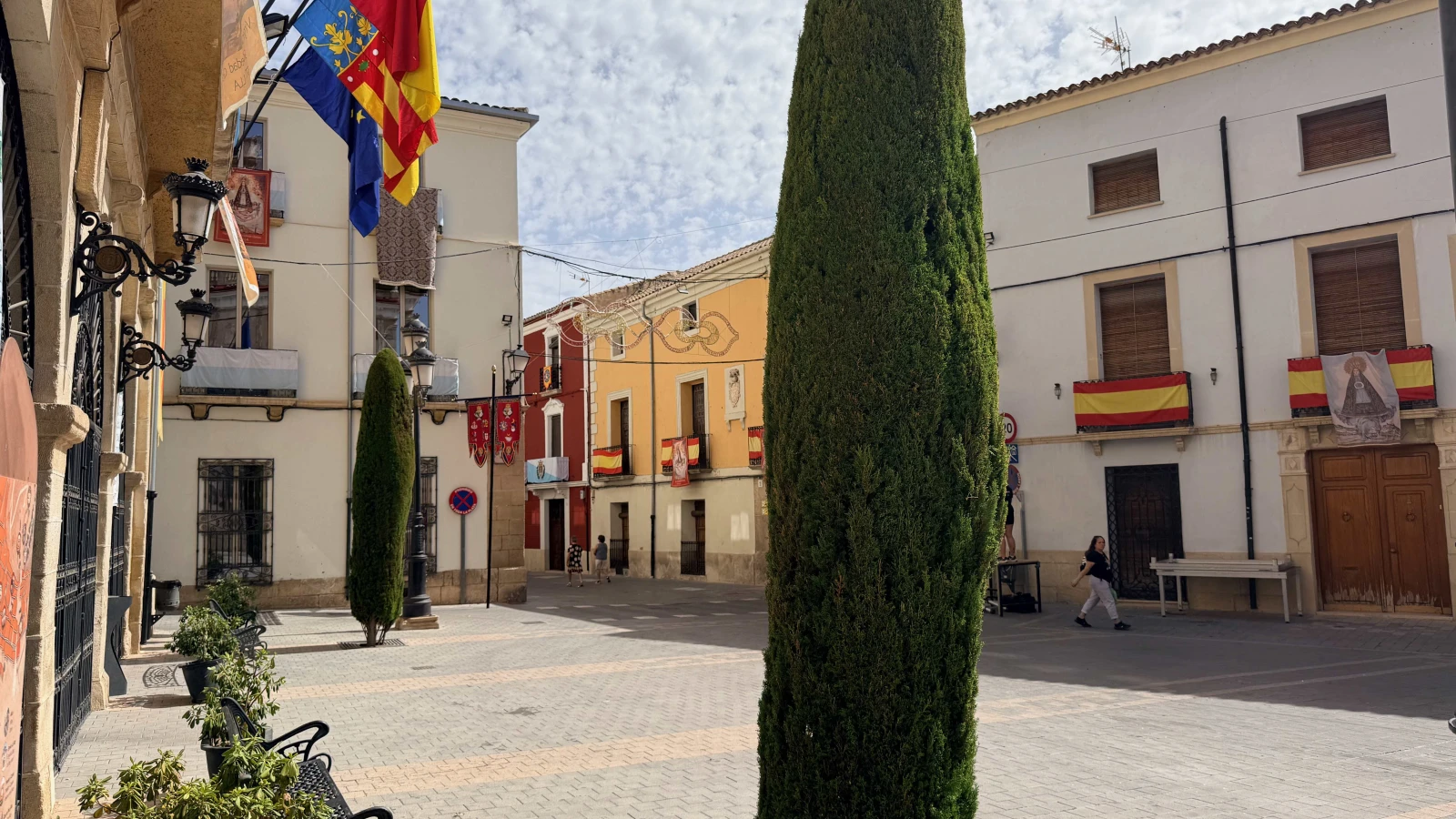
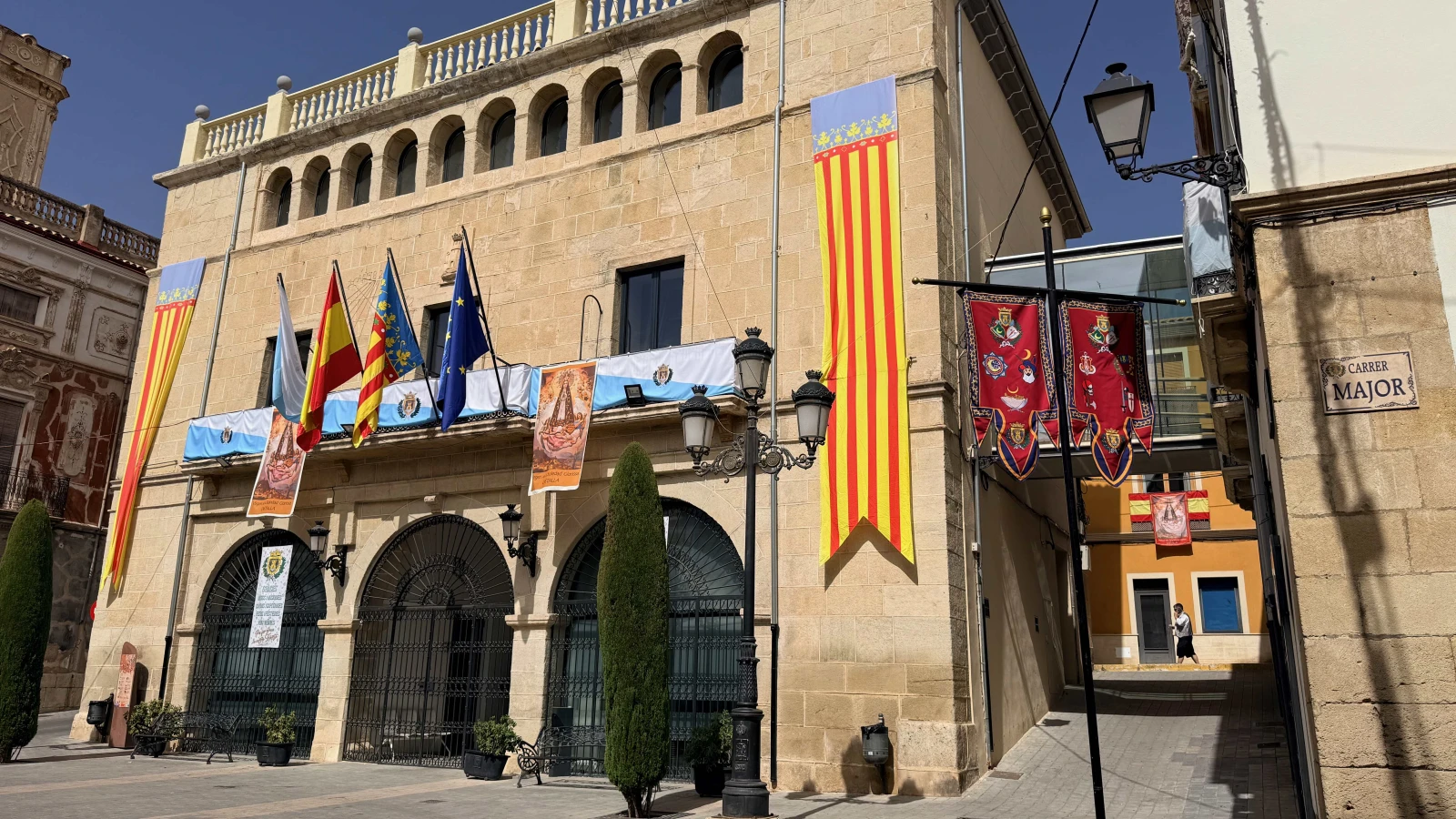
The Plaza Mayor with the town hall is also a place you should pass by during a walk.
What surprised me most during our visit this time, however, was the size of Castalla.
I had remembered the town from previous visits as somehow smaller.
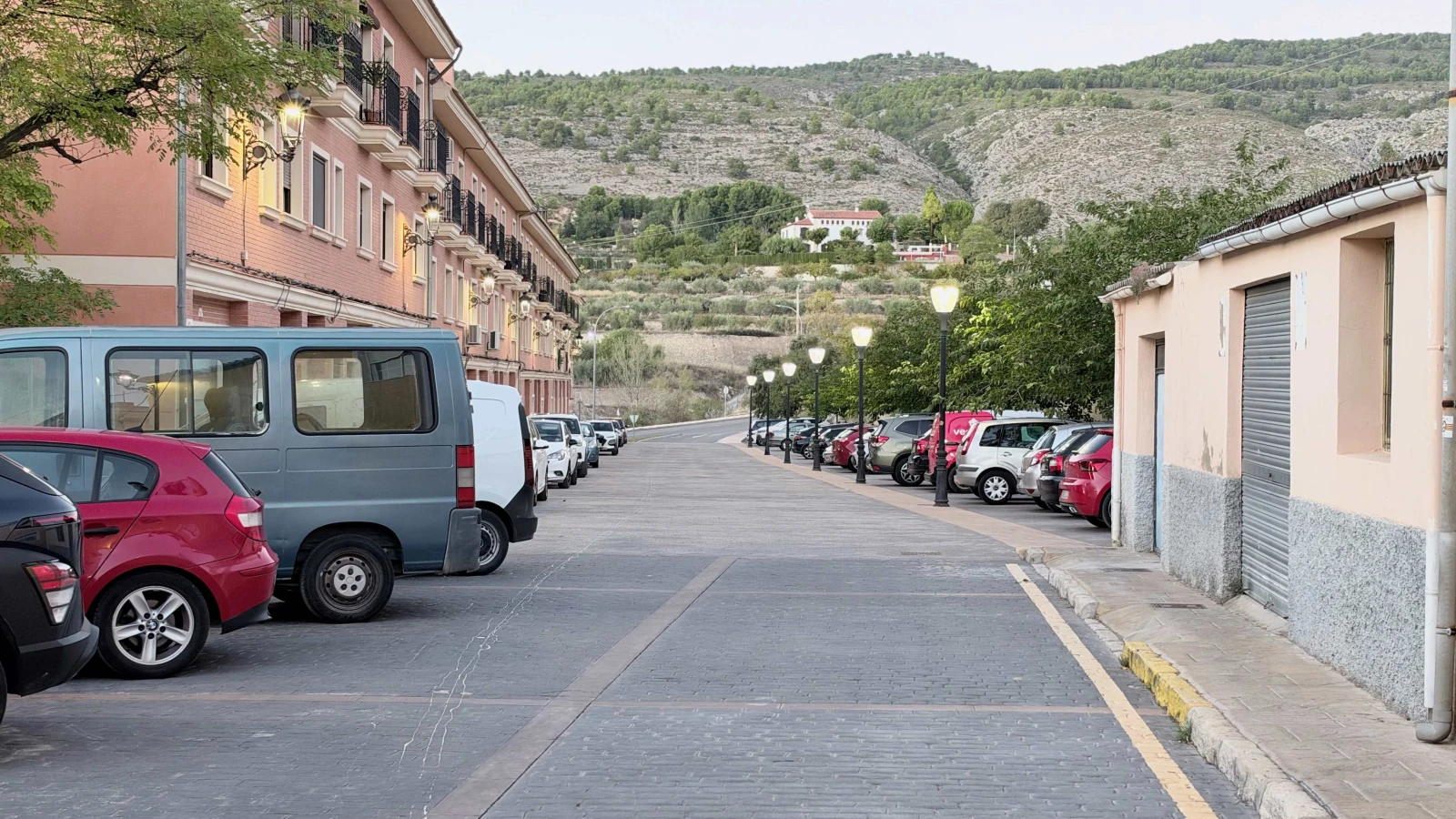
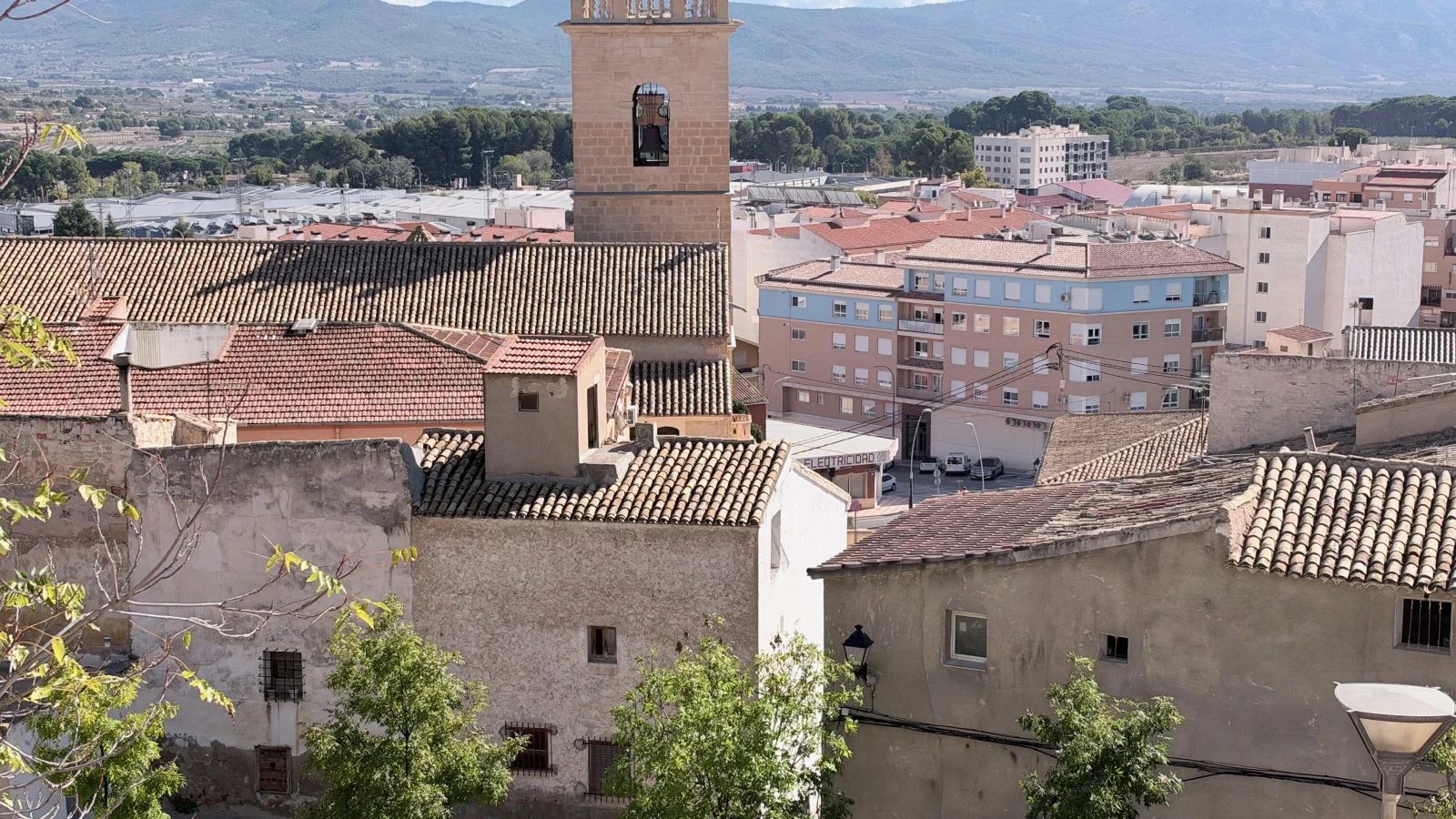
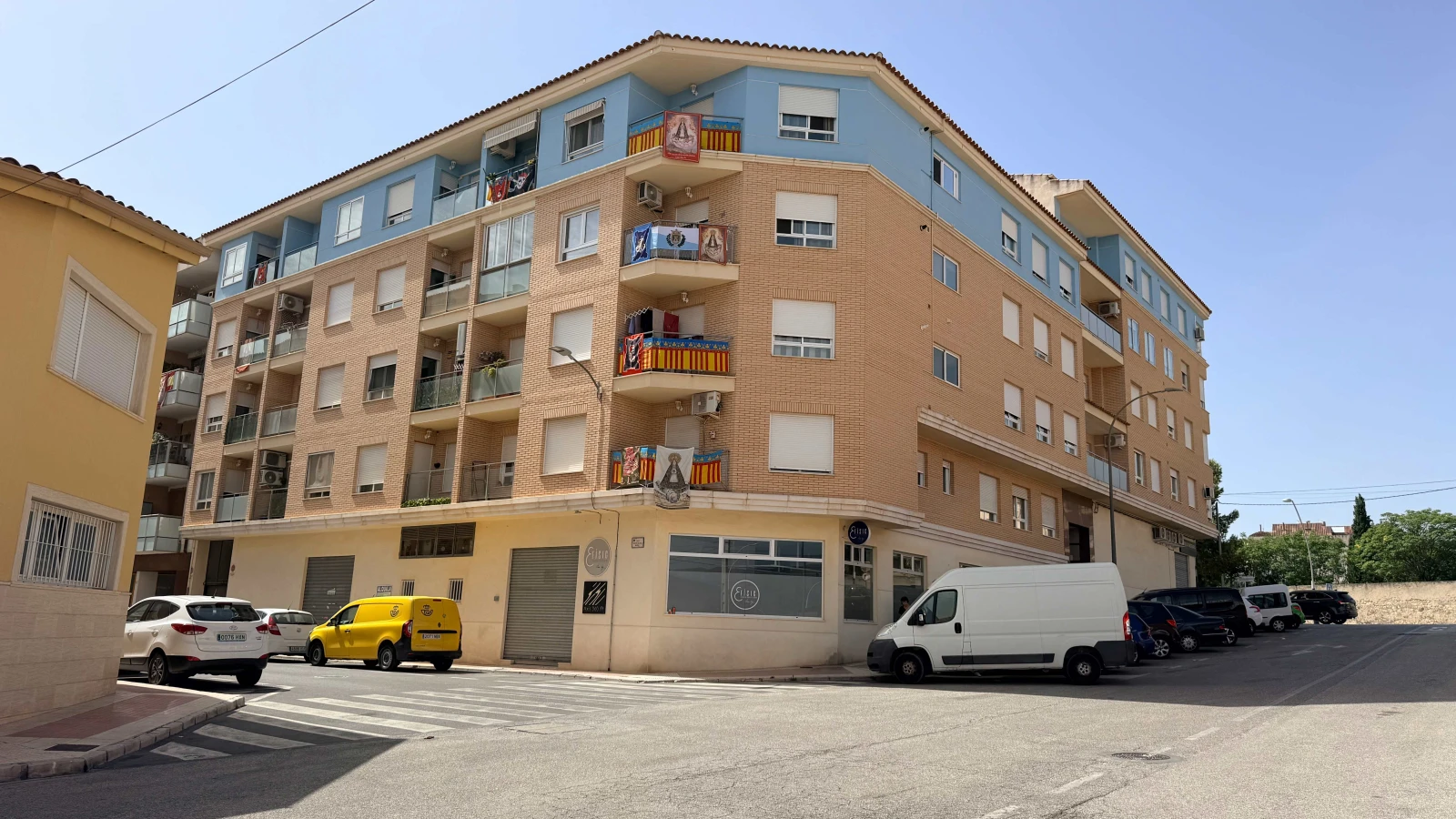
Only when we had more time and also ventured off the streets I knew did I realize how far Castalla actually spreads out.
It's not just this pretty old center below the castle, but a proper small town with residential areas, shops, restaurants, and a lively everyday life.
A realization you sometimes only gain when you leave your car and simply set off on foot.
The Moors and Christians – a festival Mandy would rather not experience again
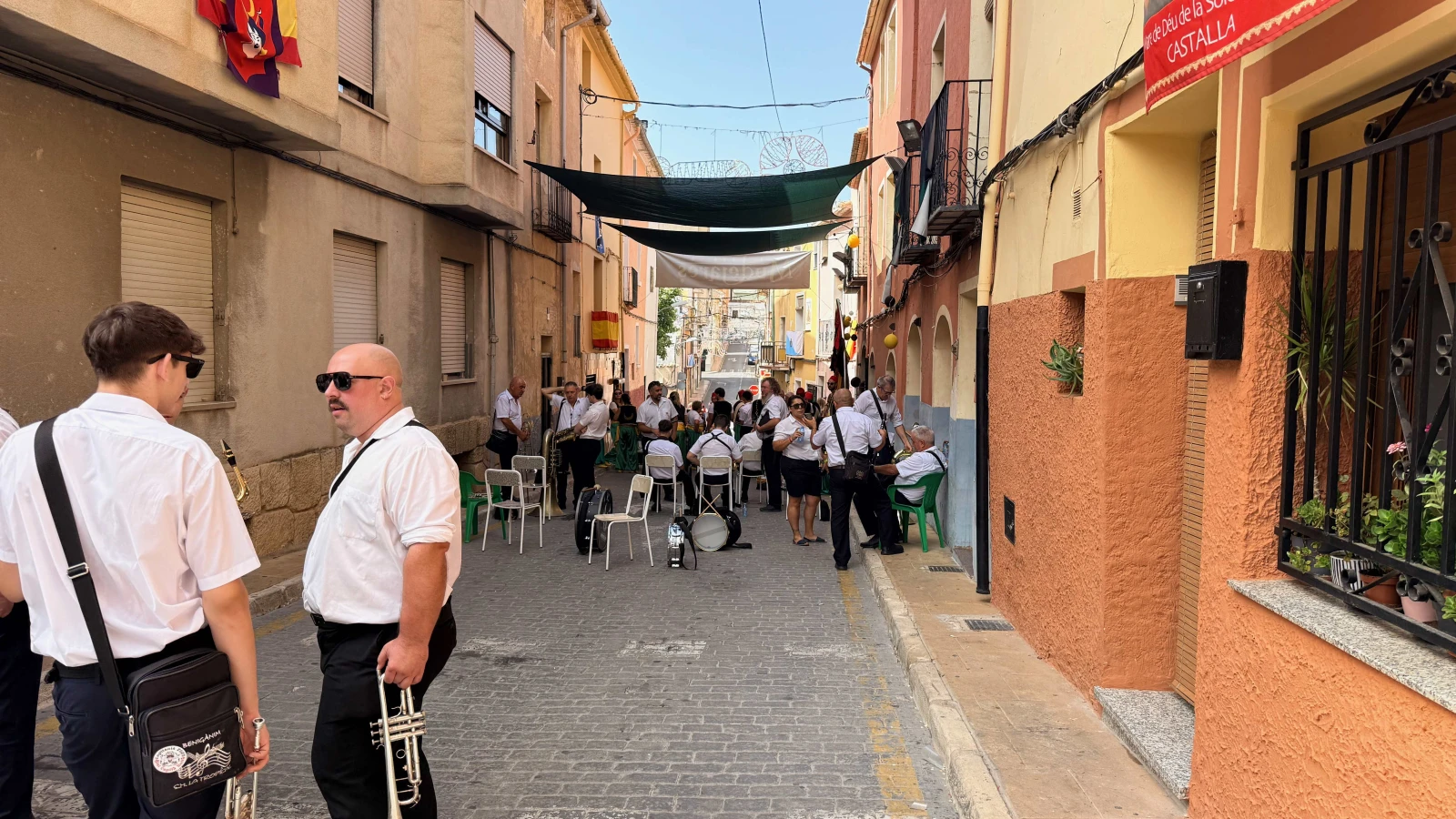
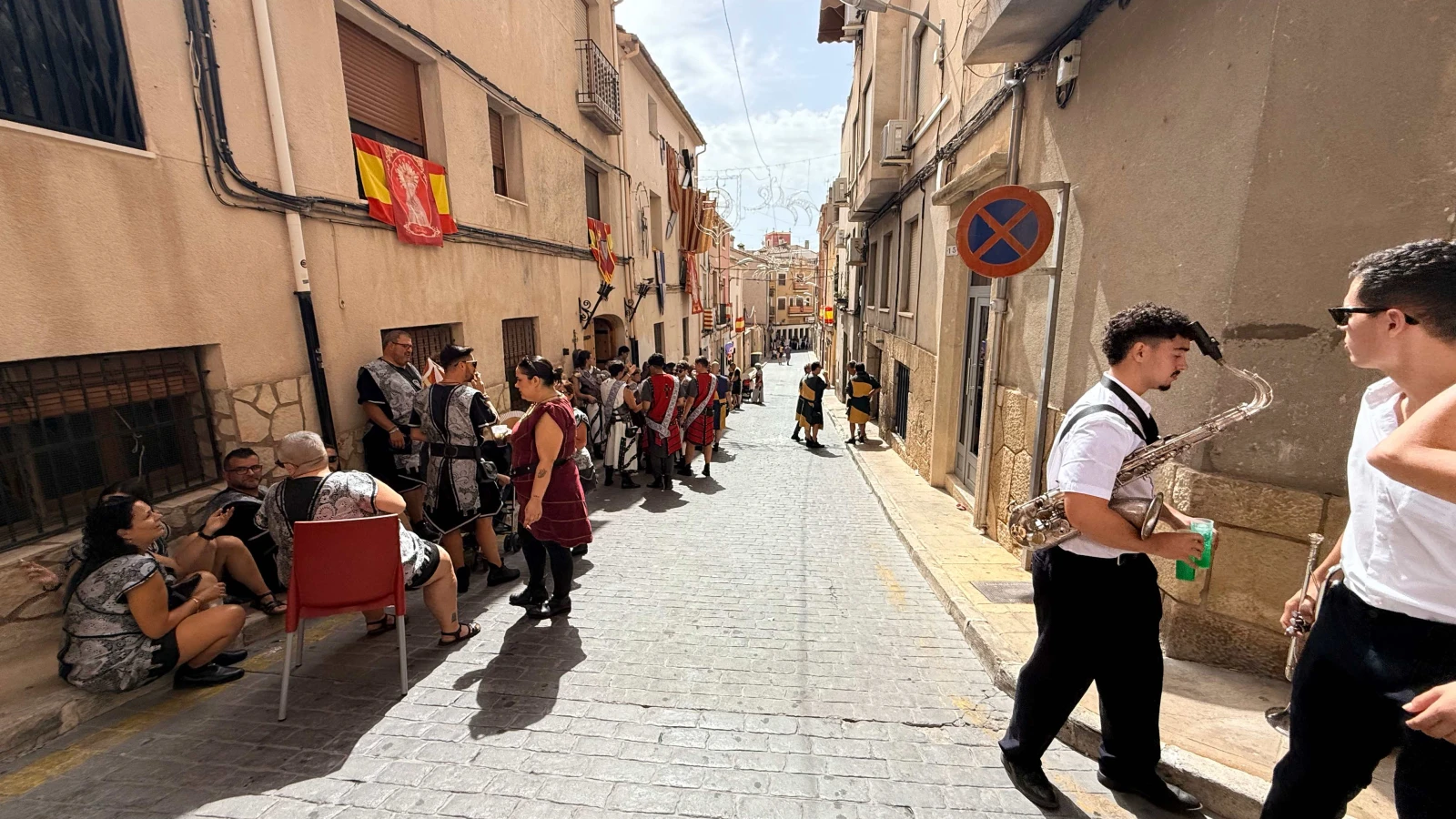
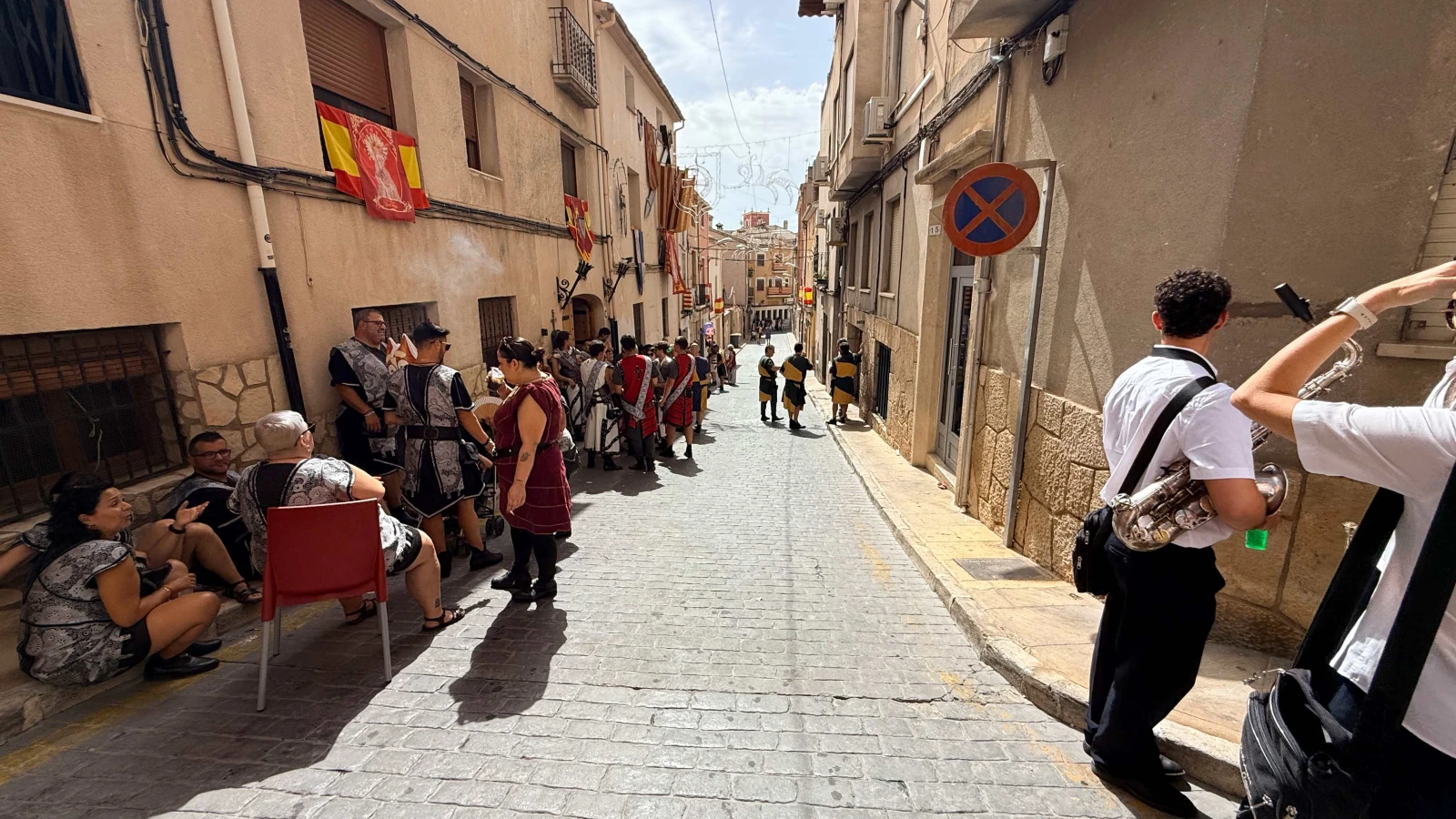
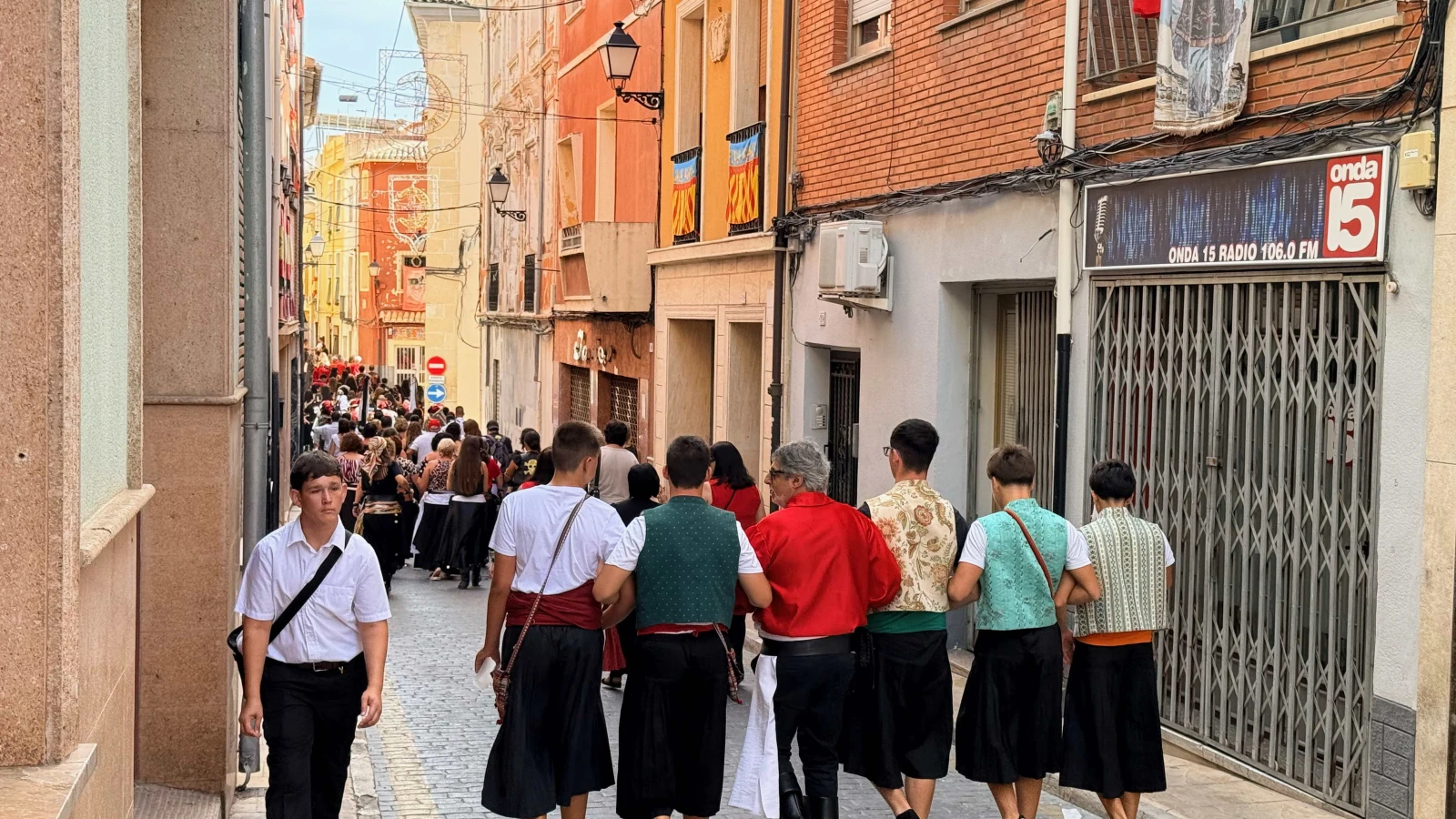
On one of our earlier visits, we had the special pleasure of getting to know Castalla during the Fiestas de Moros y Cristianos, the festival of the Moors and Christians.
These traditional celebrations are among the most important festivals of the region and recall the centuries-long history between Moorish and Christian rule.
Castalla celebrates them every year in early September with magnificent parades, historical costumes, music, and lots of enthusiasm.
And of course with plenty of gunpowder.
What might be a great spectacle for people is anything but a pleasure for our Mandy.
The firecrackers and loud bangs always frighten her a lot. And anyone who has seen how a dog flinches at such noises knows that even the most beautiful folk festival can lose its charm.
So that earlier visit was less relaxed for us than we would have wished.
Yet I can quite understand the importance these festivals have for the people here. They are an important part of their culture and history.
But with Mandy, I would prefer to choose a quieter day for a return visit.
And that is exactly what we did this time.
A relaxed day with Zuky and Mandy
This time we were able to enjoy Castalla at leisure.
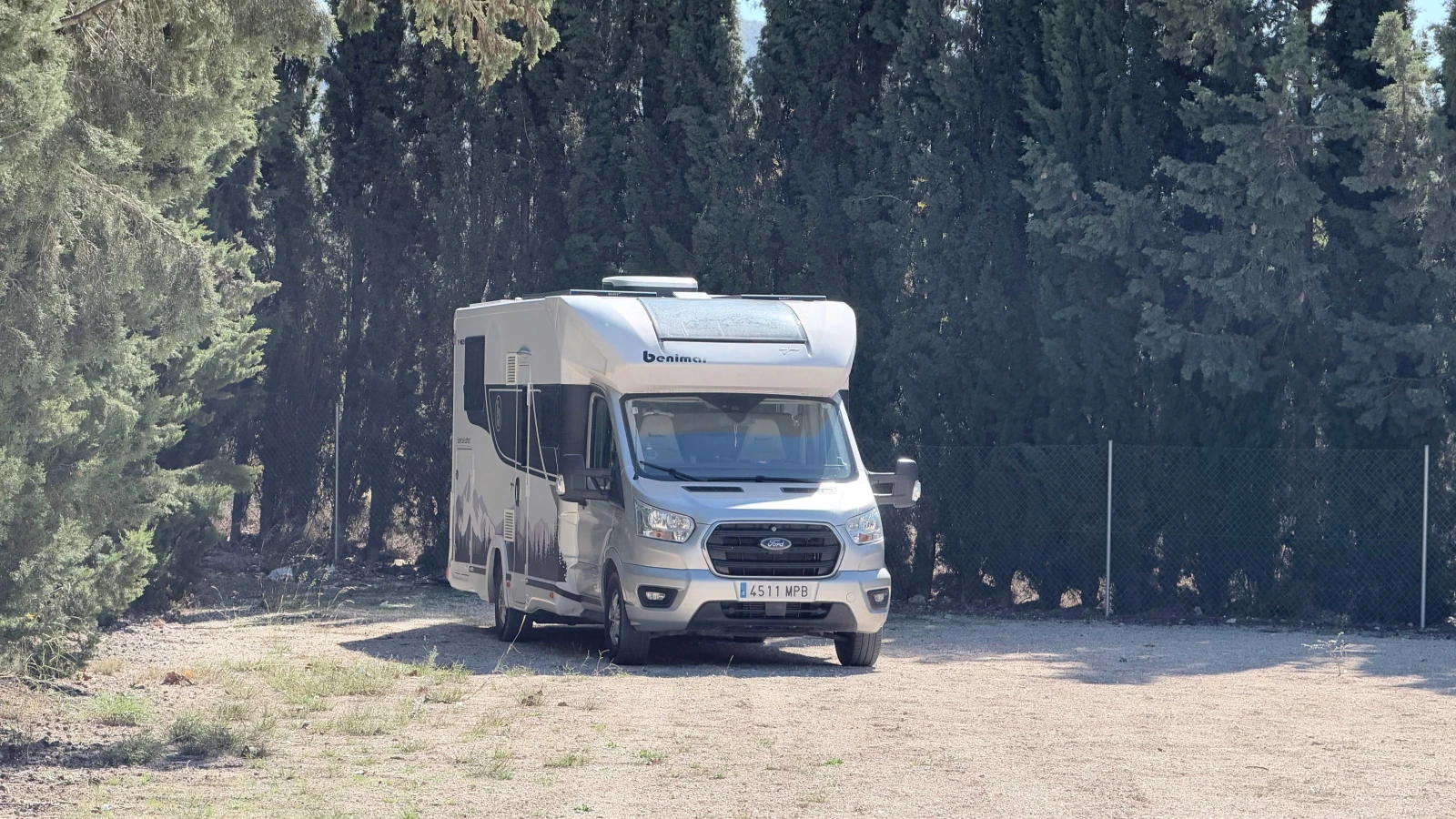
Zuky and Mandy were of course with us again, and together we explored the town more thoroughly.
I think it is especially when walking that you discover the most beautiful sides of a place. Not when you quickly drive from one sight to the next, but when you let yourself drift.
You turn into an alley you didn't know before, discover a small square, or simply stop to watch the houses and people.
Castalla has much of that pleasant Spanish everyday life that I like so much.
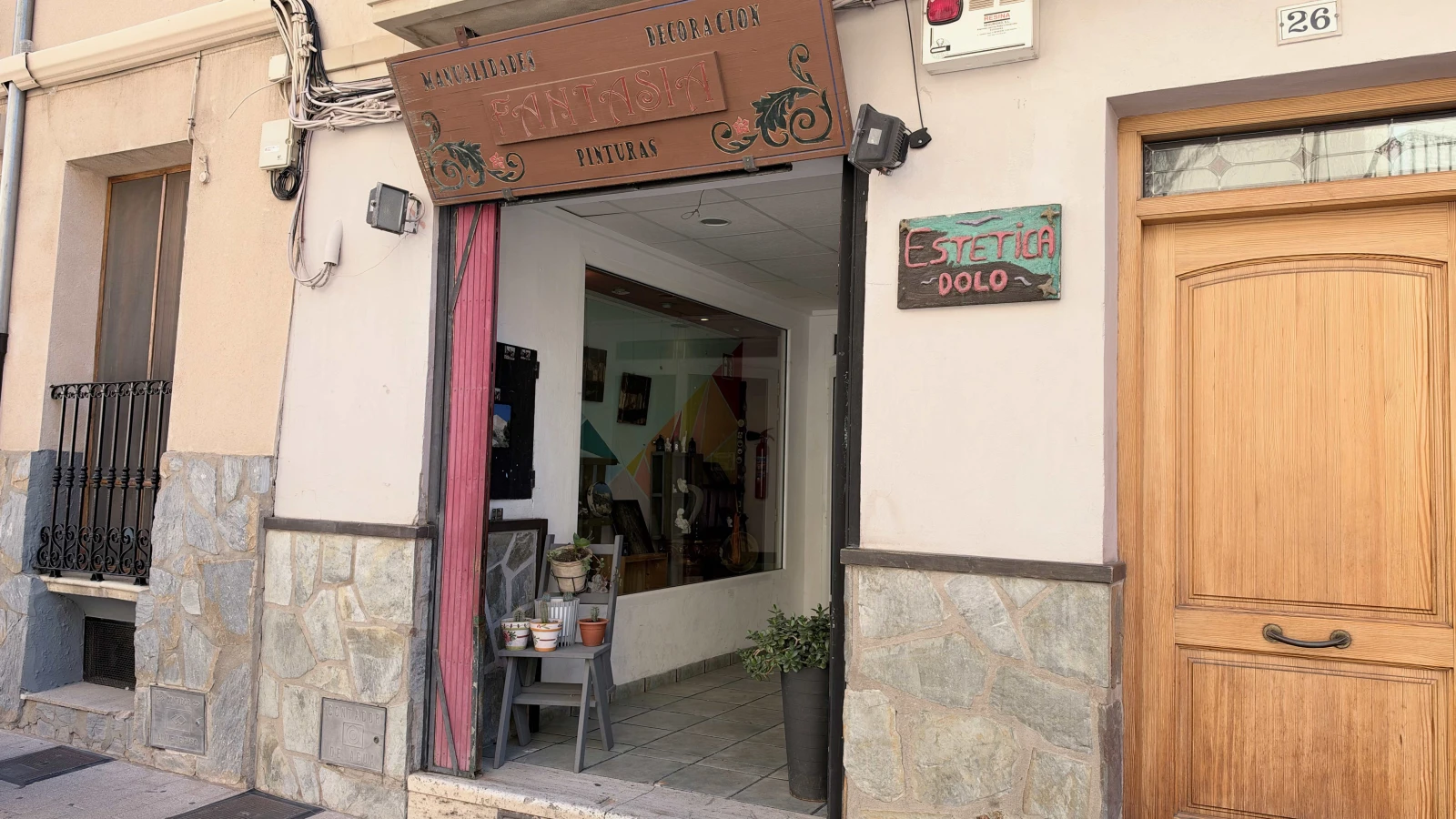
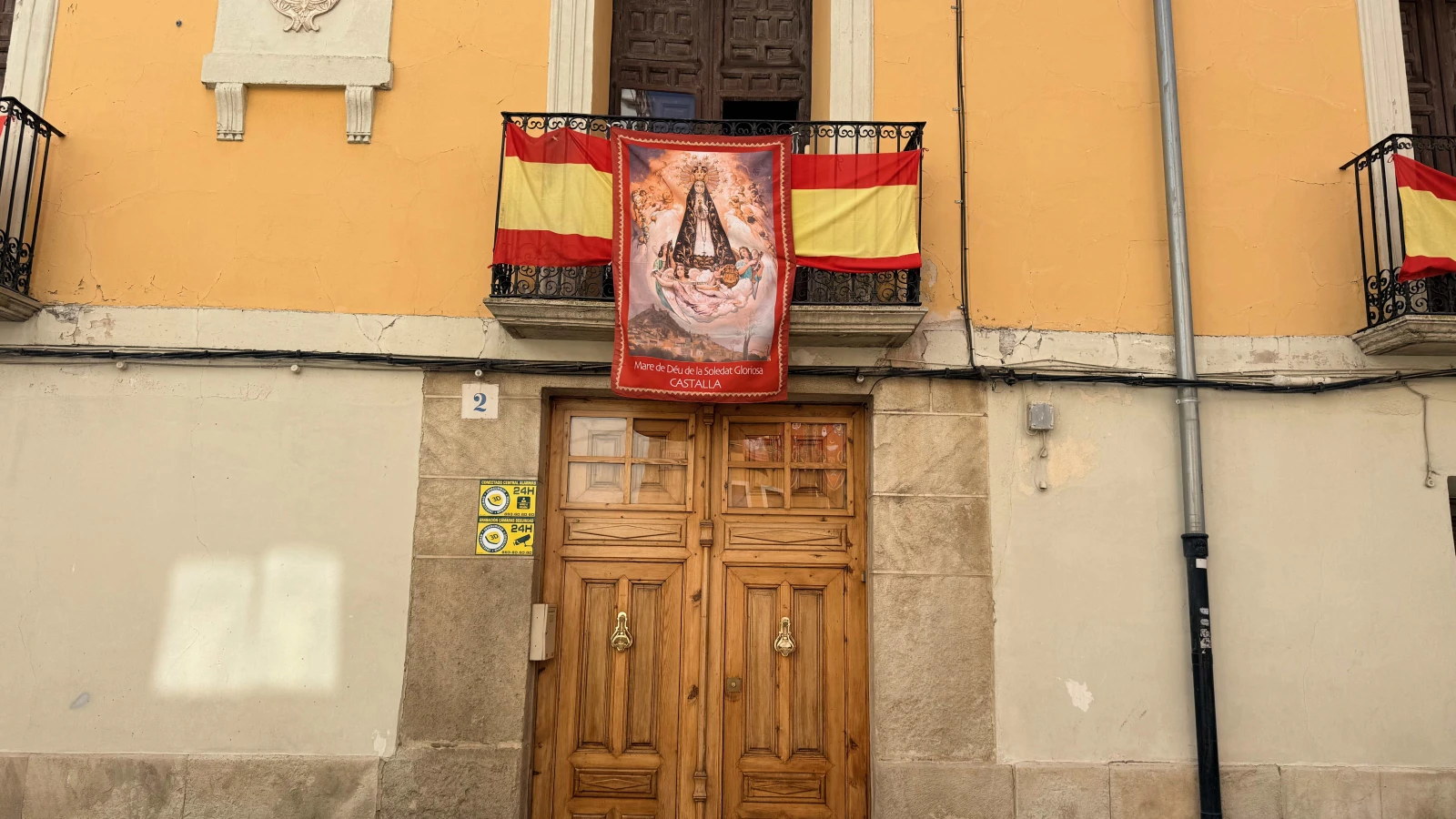
There doesn't have to be something spectacular everywhere. Sometimes a beautiful street, an old doorway, and the feeling of being in a place that has preserved its own character are enough.
And eventually, of course, you get hungry.
We ate really well in Castalla and then treated ourselves to ice cream.
A nice conclusion to a successful excursion.
I probably don’t even need to mention that ice cream has almost become a tradition on our tours by now. Zuky and Mandy know this pleasure as well.
It’s these little things that make a day special.
Not the number of sights visited, but the joy of being on the road together.
The history of Castalla – from the Moors to the modern city
Castalla’s history goes back several millennia. Archaeological finds prove that the area was already settled in the Copper Age. Later Iberians and Romans lived here.
However, Castalla gained particular importance during Moorish rule.
In the 11th century, the first fortification was built on the castle hill, from which the surrounding plateau could be excellently controlled.
In 1244, Castalla came under the rule of the Crown of Aragon. The castle was then further expanded and played an important role in securing the border areas of that time.
During the Spanish War of Independence against Napoleon, Castalla was also a scene of history. Significant battles took place here in 1812 and 1813.
For a long time, agriculture was the main livelihood of the inhabitants. Only with increasing industrialization did Castalla develop into the town we know today.
And still, the traces of the past are visible, especially in the old streets below the castle.
Castalla in the last 20 years – a city that has grown
The fact that Castalla seems larger to me today than before is by no means just imagination.
The population figures also show how the town has developed over the past two decades.
In 2005, just under 9,000 people lived here. At the beginning of 2025, it was already around 11,900 inhabitants.
That corresponds to a population growth of about 33 percent in twenty years.
For a town of this size, that is quite remarkable.
Economically, Castalla has also undergone a significant change.
Besides traditional agriculture, industry, crafts, trade, and services have developed. Especially plastics processing, metal industry, and mold making play an important role in the entire Foia de Castalla.
The proximity to Ibi, an important center of the Spanish toy industry, has additionally shaped the economic development of the area.
In recent years, Castalla has also become more interesting as a place to live. The comparatively good connection to Alicante and the coast makes the town attractive for people who prefer a quieter life inland.
That may also explain why Castalla today seems larger and livelier than one would expect from a traditional mountain town.
The cuisine of Castalla – more than just a good lunch
Anyone visiting Castalla should also take some time for the regional cuisine.
The probably best-known specialty is the Gazpachos de Castalla, which, by the way, has nothing to do with the cold Andalusian gazpacho soup.
Here, it is a hearty, warm dish made from small pieces of unleavened flatbread, meat, mushrooms, and aromatic herbs.
A typical dish from the Spanish hinterland, born from the simple ingredients that people used to have at their disposal.
In addition, you find regional rice dishes, various meat specialties, homemade sausages, and traditional pastries.
Ice cream making also has a long tradition in this area.
We certainly ate very well during our visit. And when you can then enjoy a relaxed ice cream afterward, you don’t really need much more for a successful day.
Why Castalla really impressed me this time
Maybe it’s because I have learned to discover places a bit more slowly by now.
In the past, I would probably have ticked off Castalla after a short visit. Seen the castle, driven along a few streets, moved on to the next destination.
But this time it was different.
I had time.
And time changes your perspective.
Suddenly, you notice how big a town actually is, how different its neighborhoods feel, and how much life happens beyond the well-known sights.
Castalla surprised me.
It is not a city that competes for attention with big attractions. Rather, it has a pleasant mix of history, everyday Spanish life, and the beauty of its mountainous surroundings.
And maybe that is exactly why I liked it so much this time.
My conclusion: Is a visit to Castalla worth it?
Yes, absolutely. And unlike the nearby Ibi, I would definitely recommend Castalla as an independent excursion destination.
Anyone living on the Costa Blanca or vacationing there should calmly leave the coast behind once in a while and drive inland.
Castalla offers with its medieval castle, the historic alleys, its small squares, and regional gastronomy enough options to spend a nice half or even full day.
Anyone who also wants to explore the surrounding nature can stay longer.
For me, this visit was a little surprise.
Although I had been here several times, I had never really noticed Castalla properly before.
Now I know that I have done the place a bit of an injustice.
Sometimes you just have to return to the same place several times until you recognize what makes it special.
And if at the end of such a day there are two satisfied dogs, a good meal, and a delicious ice cream, then it was a good day anyway.
We will definitely come back.
Rainer Schmitz
Frequently Asked Questions about Castalla (FAQ)
Where is Castalla located in Spain?
Castalla is located inland in the province of Alicante in the Valencian Community, about 35 kilometers northwest of Alicante, in the mountainous landscape of the Foia de Castalla.
What are the main sights in Castalla?
The main sights include the Castillo de Castalla, the historic old town, the Iglesia de Nuestra Señora de la Asunción, the Ermita de la Sang, and the Plaza Mayor.
Is a day trip to Castalla worthwhile?
Yes. Castalla is well suited for a day trip from the Costa Blanca. The castle, old town, and restaurants offer enough variety for a relaxed visit.
When does the festival of Moors and Christians take place in Castalla?
The Fiestas de Moros y Cristianos traditionally take place from September 1 to 4. The festival is celebrated with parades, music, and historical performances.
Is Castalla suitable for a visit with dogs?
Yes. Especially a walk through the streets and alleys is well possible with dogs. However, the steep paths, summer heat, and loud firecrackers during traditional festivals should be taken into account. Separate rules apply for entry to the castle.
What should you eat in Castalla?
The most well-known regional specialty is the Gazpachos de Castalla, a warm dish made from meat, flatbread, and herbs. Rice dishes, regional sausages, and traditional pastries are also recommended.
Which places can be combined with Castalla?
Nearby are Ibi, Onil, and Tibi. They can be well incorporated into a trip through the hinterland of the Costa Blanca.




Comments